Hong Kong's property market faces a curious paradox: a fresh wave of new residential developments is entering the landscape, yet median flat prices hovering around HKD 8–10 million continue to squeeze aspiring buyers. The question facing potential owners and investors isn't whether supply is increasing, but whether new projects can meaningfully reshape affordability across neighbourhoods.
The New Territories remains the relative bright spot. Emerging schemes in areas like Tuen Mun and Yuen Long are priced 20–30 per cent below Kowloon equivalents, attracting families relocating from cramped urban flats. These satellite communities promise larger unit sizes and modern amenities—schools, shopping precincts, transport links—that justify the longer commute to Central or Admiralty. Yet even "affordable" New Territories projects now command prices that exclude first-time buyers earning median salaries.
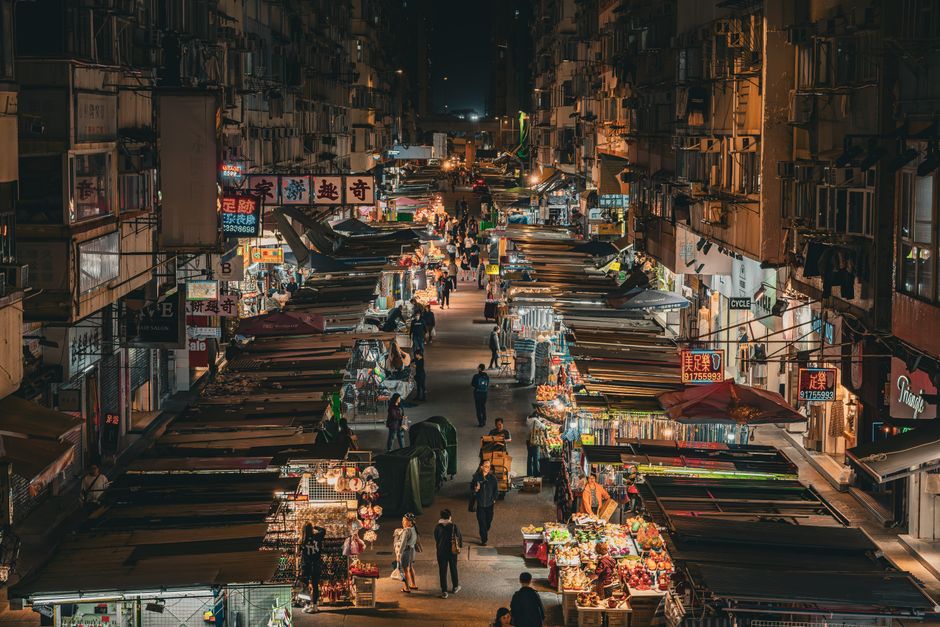
Kowloon's mid-tier pockets tell a different story. Areas around Mong Kok, Prince Edward, and Yau Ma Tei have historically offered working-class housing, but gentrification pressures are reshaping these neighbourhoods as developers eye redevelopment. New luxury-leaning projects in these traditionally gritty zones risk pricing out long-time residents while catering to investors seeking portfolio diversification.
The Peak and Mid-Levels remain in a different stratosphere entirely, where new ultra-luxury apartments command HKD 100,000+ per square foot. These projects shape perception more than supply—they anchor the psychological ceiling for what "new" means in Hong Kong's property consciousness.
What distinguishes 2026's pipeline from previous cycles is developer focus on mixed-use integration. New schemes increasingly bundle residential towers with retail, co-working spaces, and community facilities—a response to remote work trends and changing lifestyle expectations. This model can stabilise neighbourhood character, yet it also inflates project costs, ultimately reflected in unit prices.
The recent easing of stamp duty for foreign buyers has reignited international investor appetite, particularly among mainland Chinese and Southeast Asian purchasers. Competition from non-owner-occupiers puts upward pressure on prices precisely when local wage growth remains subdued, widening the affordability gap.
For the middle-income segment—the demographic most squeezed—new developments offer limited comfort. Projects positioned as "accessible" still demand 40–50 per cent of household income for mortgage payments, well above prudent lending thresholds. Until wage growth, mortgage lending terms, or fundamental supply-demand rebalancing shifts, new inventory alone cannot solve Hong Kong's housing affordability crisis.
The next twelve months will test whether policymakers can marry supply-side solutions with demand management tools. Without that dual approach, new developments will continue their familiar pattern: opening to fanfare, selling to investors, and leaving genuine affordability for ordinary Hongkongers as elusive as ever.
This article was compiled by AI and screened before publishing. See our editorial standards.