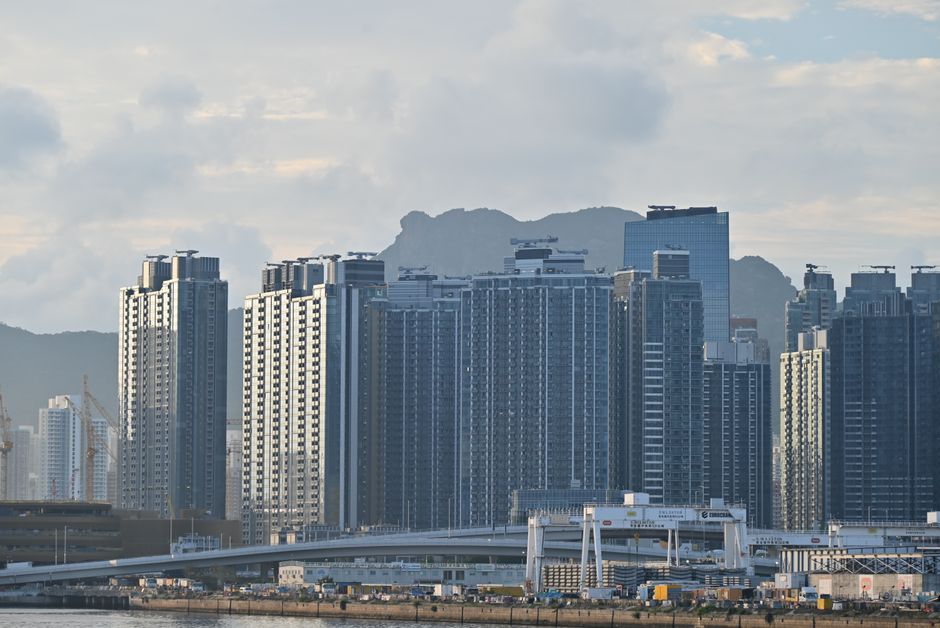
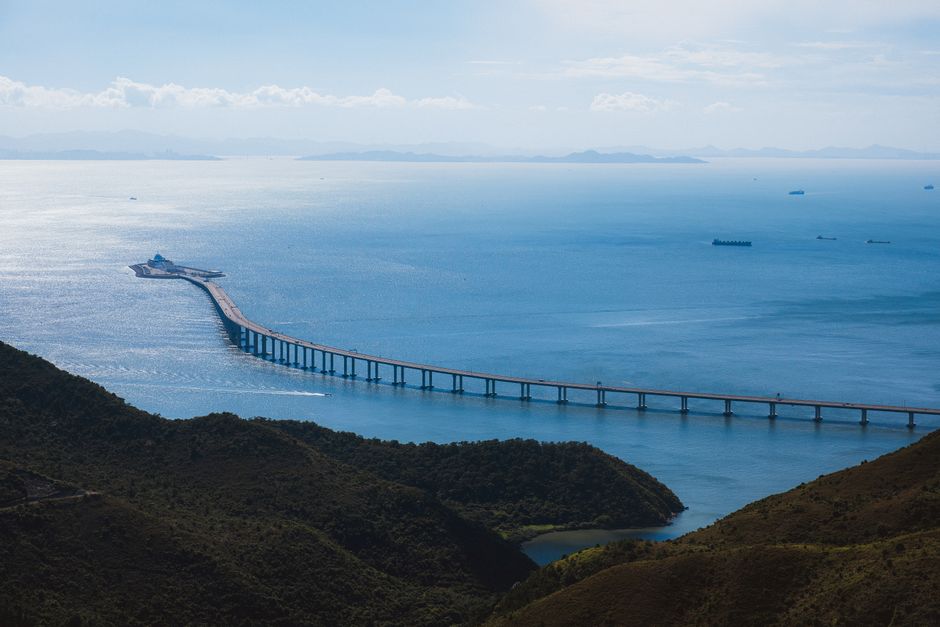
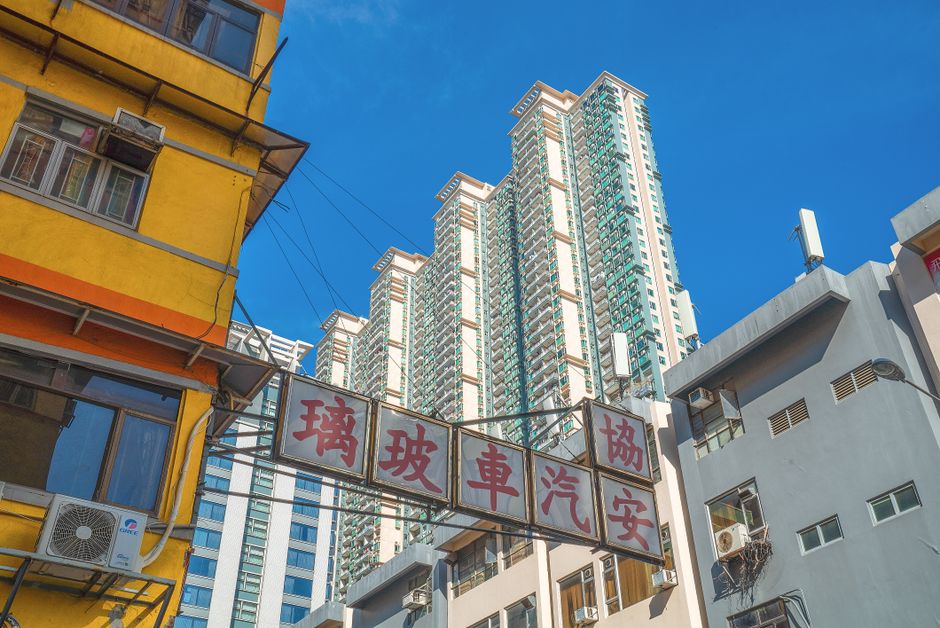
For years, Tseung Kwan O has laboured in the shadow of more established New Territories neighbourhoods, but a confluence of major construction approvals and transport upgrades is rapidly repositioning the eastern suburb as one of Hong Kong's most compelling investment plays in 2026.
The catalyst is clear: the MTR's forthcoming Tseung Kwan O Line extension, now entering final construction phases, will slice travel time to Central by nearly 40 minutes. Coupled with the recent green-light for phase three of the New Town development, Tseung Kwan O is finally delivering on promises made a decade ago. The Urban Renewal Authority has also fast-tracked plans for a mixed-use precinct around Hang Hau, pairing retail, office and residential towers that could redefine the suburb's streetscape.
Data tells the story. Over the past 18 months, median flat prices in Tseung Kwan O have climbed from HKD 5.2M to HKD 6.8M—a jump that still leaves plenty of room for capital appreciation before matching the New Territories benchmark of HKD 7-8M. Crucially, unit sizes remain generous: three-bedroom apartments regularly exceed 700 square feet, a luxury increasingly rare in Kowloon or the mid-levels.
Developers have taken note. Henderson Land's latest project near Tseung Kwan O Town Centre is nearly 70% sold, despite prices climbing HKD 800,000 since launch. Meanwhile, New World Development and Sino Land's joint venture at Lohas Park—traditionally a quieter pocket north of Tseung Kwan O proper—is now marketed as a gateway development, with amenities including a new 15,000-square-metre sports complex and private school partnerships announced for completion by 2028.
The appeal isn't purely speculative. Tseung Kwan O's waterfront position along Junk Bay offers genuine lifestyle differentiation. The recently expanded Tseung Kwan O Waterfront Park now rivals Victoria Park for walking trails, whilst the pending Cultural and Arts Centre—construction underway near Po Lam—signals cultural maturation beyond bedroom-community status.
For foreign investors, the eased stamp duty regime announced earlier this year makes Tseung Kwan O particularly attractive at the sub-HKD 7M price point, where acquisition costs drop meaningfully compared to equivalent island-side properties.
Market watchers caution that execution risk remains. Delays to the MTR extension would puncture investor enthusiasm swiftly. Yet with three major residential towers already demolition-approved and URA announcements expected quarterly through 2027, Tseung Kwan O appears less a speculative bubble than a rational rebalancing toward infrastructure-backed value.
This article was compiled by AI and screened before publishing. See our editorial standards.