For first-time buyers in Hong Kong, the calculus has never been simpler: chase new developments. With median flat prices hovering between HKD 8–10 million, and government grants capping at HKD 500,000, the arithmetic forces young buyers toward emerging precincts where leverage matters most. But what happens when your neighbourhood transforms mid-mortgage?
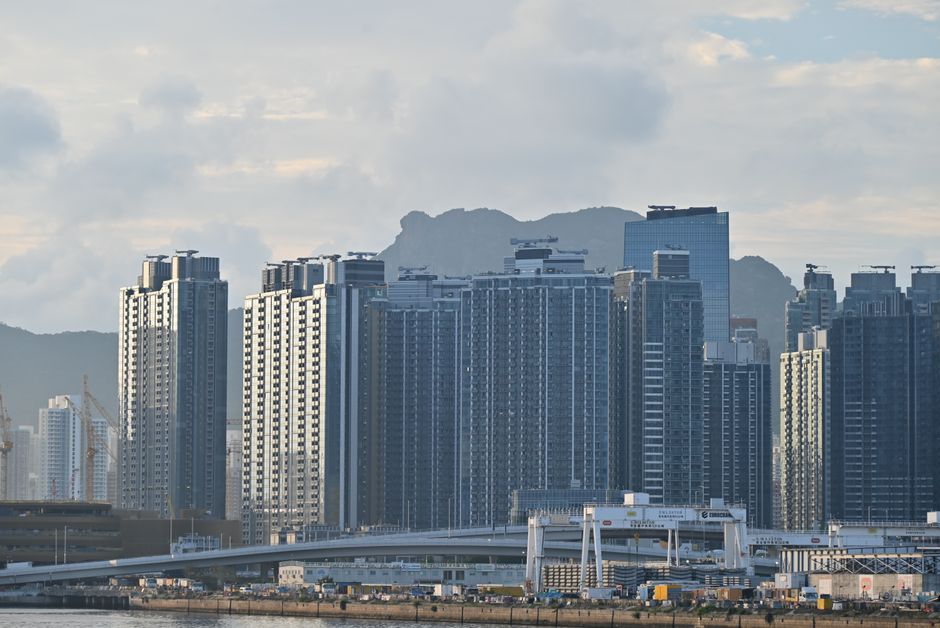
Consider Kai Tak. The former airport site, now anchored by the cruise terminal and upcoming MTR interchange, has emerged as a test case. First-home buyers who committed to projects here three years ago at HKD 6–7 million now watch valuations climb as the district's infrastructure spine solidifies. The new leisure and cultural facilities promised in the masterplan aren't abstract future-proofing—they're reshaping schools catchments, retail hierarchies, and commute patterns that directly impact resale appeal.
Similarly, Hung Hom's ongoing transformation, anchored by the Science and Technology Park expansion near Chatham Path, is rewriting buyer priorities. Projects launching at HKD 7–8 million are attracting first-timers not because they're cheap, but because proximity to knowledge-sector employment hubs justifies the stretch. The shift is already visible: primary school waiting lists on the peninsula are climbing faster than in established Mong Kok neighbourhoods.
The mechanics favour prepared buyers. Those pairing First Home Loan Scheme assistance with fresh developer financing—often available at sub-3 per cent rates for new projects—reduce upfront burden meaningfully. A HKD 7 million purchase with HKD 500,000 grant, 80 per cent LTV financing, and developer support can mean monthly servicing below HKD 25,000 before stress-testing.
But the real asset isn't the numbers. It's optionality. New developments typically unlock amenities and transport links on five-to-seven-year cycles. A buyer in Tung Chung committing today captures value as MTR extensions and retail hubs mature. By contrast, established neighbourhoods like Mid-Levels or Peak offer stability but narrow margin-of-error pricing, where developer grants are rare and resale timing becomes critical.
The emerging risk: overconfidence in area upgrading. Not every waterfront development in Kowloon triggers the appreciation trajectories of successful precedents. Neighbourhoods with weak school catches or patchy transport connections—say certain New Territories precincts—remain speculative, even with generous grants and low financing.
Smart first-time buyers are treating grants not as windfalls, but as capital that buys them location flexibility. The ones capturing real value are those selecting new projects in areas where infrastructure timing aligns with life-stage needs, not merely chasing the lowest entry price.
This article was compiled by AI and screened before publishing. See our editorial standards.