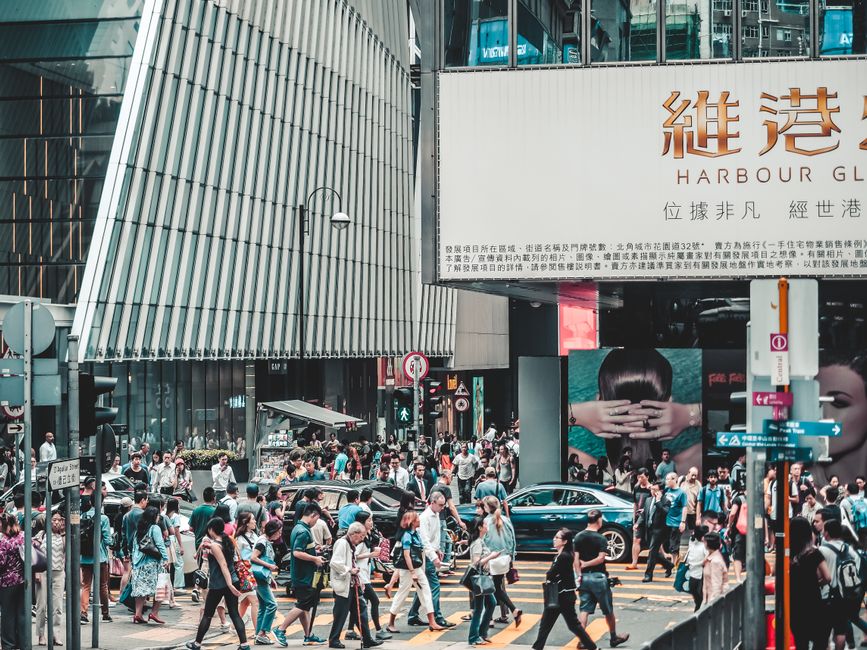
Walk through Ladies' Market in Mong Kok on a Saturday morning and you'll notice something that would've seemed unlikely five years ago: young professionals in their thirties queuing for bespoke fabric cuts, families stopping for Instagram-worthy breakfast bowls at market-adjacent cafés, and vendors accepting digital payments alongside cash. Hong Kong's street markets are experiencing a genuine renaissance, and it's not nostalgia driving it.
The shift accelerated post-pandemic as consumers grew sceptical of lockdown-era e-commerce and rediscovered the tangible joy of browsing, haggling, and human connection. But what's sustaining momentum is genuine infrastructure change. The Urban Renewal Authority's market revitalisation initiatives—most visibly at Kowloon City's older wet markets and Temple Street Night Market's gradual modernisation—have injected fresh energy into spaces that felt frozen in time.
"Locals are tired of sterile malls," says retail analyst data from recent Hong Kong Chamber of Commerce surveys, which show 62% of residents now visit traditional markets at least fortnightly, up from 47% in 2021. The economics are undeniable: a fresh sea bass at Cheung Sha Wan's wet market runs HK$60-80 per catty, while supermarket equivalents fetch HK$120+. Quality clothing finds at Tung Choi Street cost a fraction of Causeway Bay boutiques.
But it's not purely about savings. Market vendors have embraced curation. Stalls now feature QR codes linking to origin details; younger traders specialise in heritage goods with modern aesthetics. The North Point wet market—long considered a neighbourhood fixture—now hosts weekend craft sellers alongside fishmongers, creating hybrid spaces that appeal across demographics.
Digital integration proved transformative. Apps like GoGaGa and Carousell have formalised what were once informal secondary markets, letting locals buy and sell directly without overhead costs. Traditional vendors partnering with these platforms report 30-40% increases in younger customer footfall.
Stanley Market exemplifies the shift perfectly. Once dismissed as a tourist trap, it's repositioned itself—new management contracts with artisan producers, consistent stall curating, and aggressive cleanliness standards have drawn back Hongkongers who'd abandoned it years ago. Summer weekends now see locals outnumbering visitors.
Even Sham Shui Po, historically the fabric district, is witnessing migration of design professionals seeking authentic materials and small-batch production. The neighbourhood's market streets, long overlooked, now buzz with creative energy.
The resurgence isn't romantic nostalgia. It reflects genuine consumer demands: sustainability through secondhand and direct-from-vendor purchasing, community, and value that algorithmic shopping simply cannot replicate. For Hong Kong residents increasingly craving authenticity amidst global homogenisation, markets aren't quaint relics—they're the future.
This article was compiled by AI and screened before publishing. See our editorial standards.