When expats first arrive in Hong Kong, they typically cluster in predictable pockets: Mid-Levels, Repulse Bay, or Discovery Bay. But seasoned relocators know the city's true character emerges in neighbourhoods where locals outnumber tourists, where hawker stalls predate shopping malls, and where community bonds run deeper than a single expat contract.
Take Sai Ying Pun on Hong Kong Island's western edge. Once dismissed as industrial, it has quietly become a hub for young professionals and creative workers. The neighbourhood's main artery, Des Voeux Road West, buzzes with independent coffee roasters, vintage bookshops, and galleries occupying converted tong lau buildings. Rents here average 30-40% lower than Central, and residents—both local and foreign—frequent independent restaurants serving Cantonese classics alongside Thai and Portuguese fusion. The Sai Ying Pun Community Centre hosts everything from tai chi classes to Cantonese opera workshops, reflecting the district's commitment to preserving traditional culture while embracing new voices.
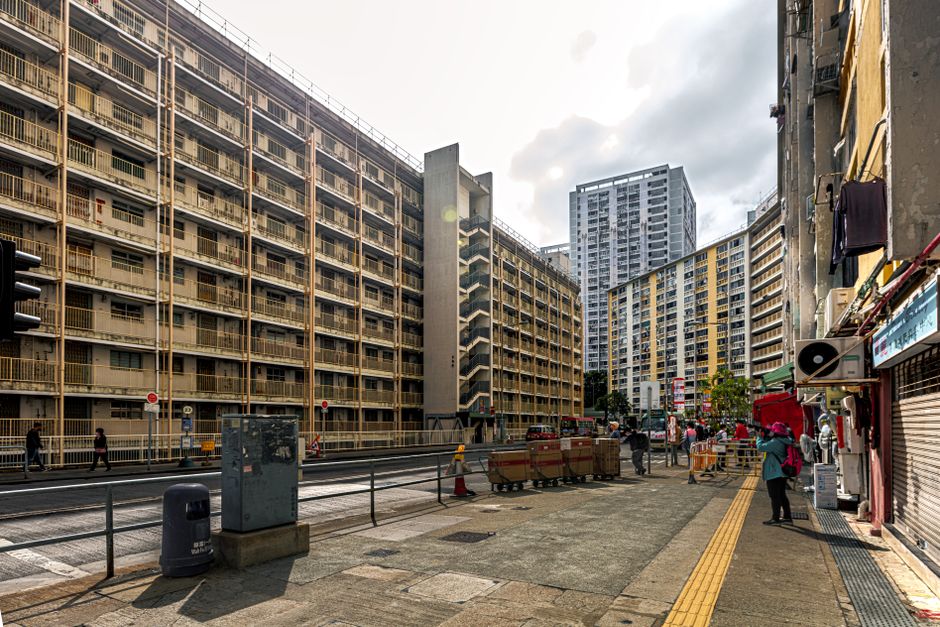
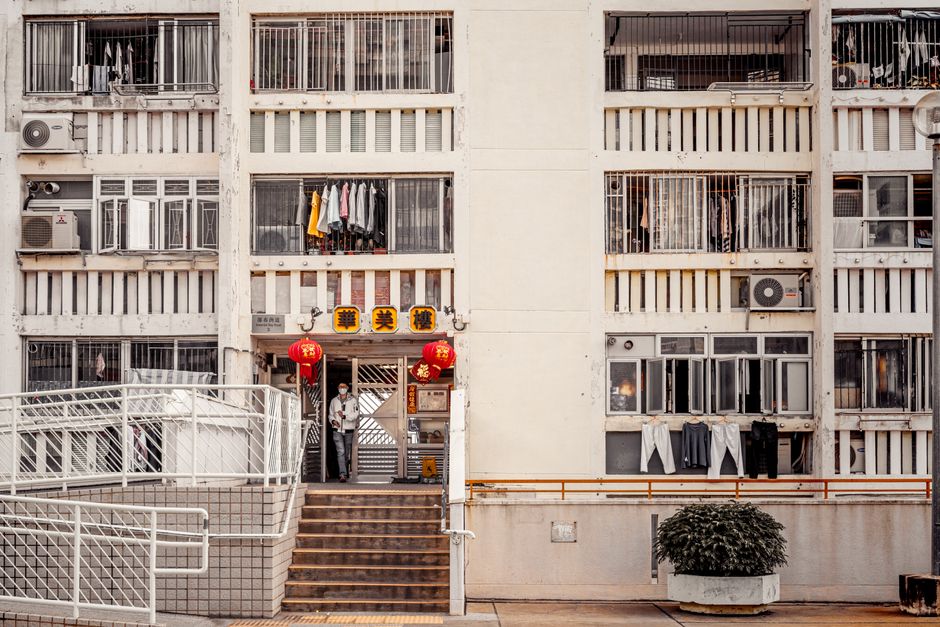
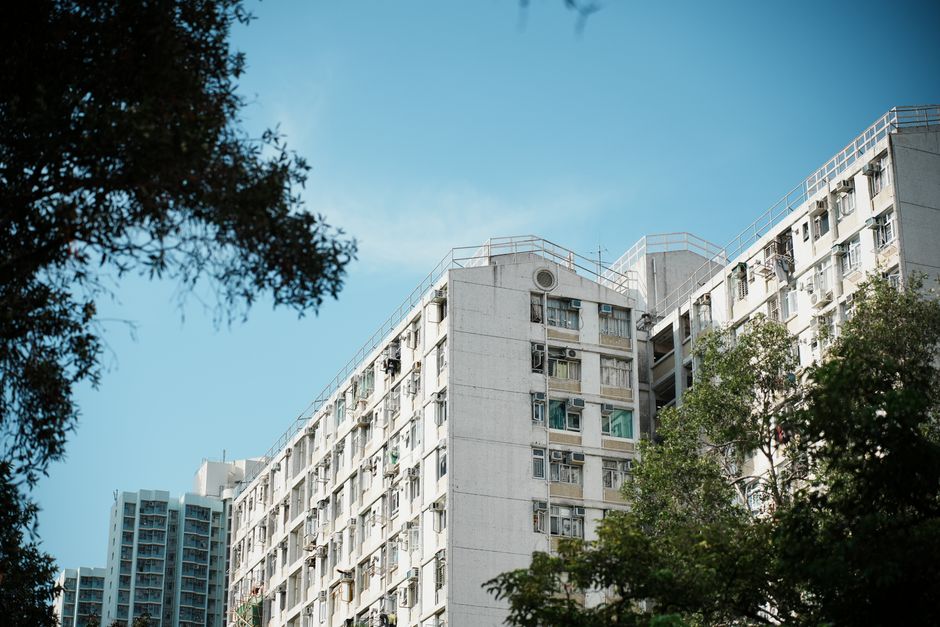
Across the harbour, Quarry Bay presents a different character entirely. Famous for its stacked residential towers and dystopian aesthetic, it's genuinely neighbourly. The wet markets on King's Road operate with the same rhythm they have for decades; neighbours know each other's routines. New expats often arrive expecting isolation but find themselves drawn into a genuine community fabric. Monthly food festivals and the popular Quarry Bay Community Garden connect residents across generational and cultural lines.
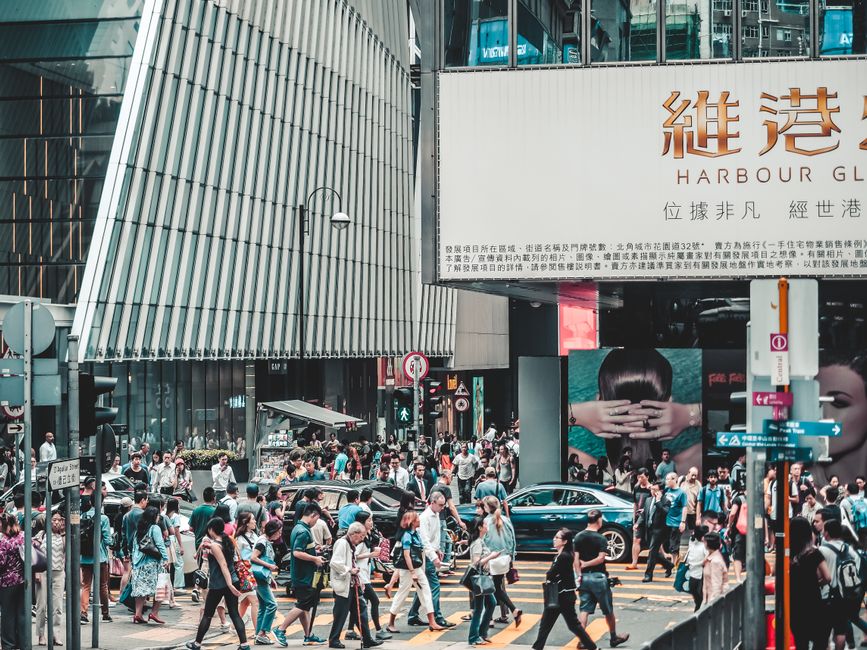
Mong Kok remains fiercely local and unpolished—precisely why it matters. The district's street-level energy, from Ladies' Market to the flower and goldfish markets, reflects Hong Kong's commercial DNA. For expats seeking authentic immersion rather than expat bubbles, this is where you negotiate, haggle, and genuinely interact with local merchants and families. The sense of organised chaos is deliberate and deeply rooted.
Sheung Wan strikes a balance. Home to galleries, independent fashion boutiques, and a booming wellness scene, it's become increasingly expat-friendly without losing its local identity. The neighbourhood's Portuguese and Southeast Asian communities have left culinary and architectural imprints; residential rents range from 35,000-55,000 HKD monthly for a modest two-bedroom, reflecting its premium-but-not-stratospheric positioning.
For new arrivals, the key insight is this: Hong Kong's neighbourhoods aren't interchangeable. Each district has its own unwritten rules, preferred establishments, and social rhythms. Spending a weekend exploring beyond your first-choice neighbourhood—walking side streets, eating where locals eat, attending community events—reveals where you might actually want to settle. Community apps like Internations and local Facebook groups provide starting points, but genuine neighbourhood character reveals itself only through presence and curiosity. That's where real relocation wisdom begins.
This article was compiled by AI and screened before publishing. See our editorial standards.