The Faces Behind Hong Kong's Family Life: How Parents Are Redefining What School Means in the City
From Causeway Bay playgrounds to New Territories learning hubs, we meet the parents and educators reshaping childhood in one of Asia's most demanding cities.
This article was generated by AI from the linked public sources. The Daily Hong Kong is independently owned and covers Hong Kong news free from advertiser or sponsor influence. Read our editorial standards →
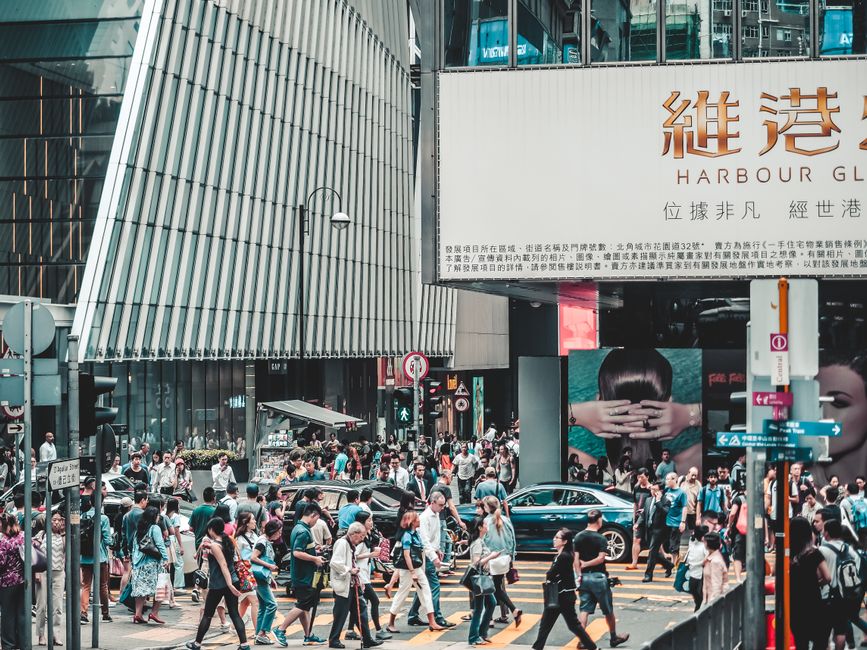
On a Tuesday morning in Tai Hang, a cluster of parents gather outside Victoria Public School, their children's laughter echoing across the narrow street. It's a scene repeated across Hong Kong's neighbourhoods—but behind these ordinary moments lies a generation of parents grappling with extraordinary choices about education, work-life balance, and what childhood should look like in a city where tuition fees can exceed HK$200,000 annually.
The pressure is real. Hong Kong's education system ranks among the world's most competitive. International schools in Central and The Peak command fees that rival university tuition in Western countries. Yet what's shifting is who's doing the choosing, and why. Over the past five years, enrolment in alternative education models—from Montessori centres in Repulse Bay to homeschooling networks across the New Territories—has surged by nearly 30 percent, according to education consultants tracking Hong Kong's schooling landscape.
"Parents here are asking different questions than they did a decade ago," says the philosophy behind several grassroots initiatives now operating in neighbourhoods from Sai Wan Ho to Sheung Wan. Family-run learning pods have emerged in converted shophouses, community gardens in places like Tai O are doubling as outdoor classrooms, and parent cooperatives are challenging the conventional wisdom that tuition fees must be astronomical.
One measure of this shift: the Hong Kong Parents' Association reports record membership in their working groups focused on mental health support for children. Schools across the city—from public institutions in Mong Kok to private establishments on Hong Kong Island—are increasingly offering counselling services and flexible assessment methods, recognizing that traditional exam culture is exacting a visible toll.
What emerges from conversations across Hong Kong's diverse neighbourhoods is a portrait of pragmatic idealism. Parents juggling demanding careers in Central's financial district are coordinating school runs through Causeway Bay's traffic. Expatriate families in Mid-Levels are integrating with local communities. Teachers in Kowloon Tong are innovating within institutional constraints. Single parents, multi-generational households, and blended families are finding their way through a system that, for all its rigour, is gradually becoming more permeable.
The human element—the faces, names, and daily negotiations of family life—reveals a Hong Kong that remains intensely focused on education's role in children's futures, but increasingly willing to question what that education should look like. In playgrounds from Aberdeen to Fanling, parents are writing a new script for childhood in this city.
This article was compiled by AI and screened before publishing. See our editorial standards.
Covering lifestyle in Hong Kong. This article was generated by AI from the linked sources and was not reviewed by a human editor before publishing. See our editorial standards.