Hong Kong's neighbourhoods don't reveal themselves to passive observers. You need a map, curiosity, and a willingness to get lost on purpose—which is precisely why locals who take time to truly know their districts report higher satisfaction with city living, according to the Hong Kong Institute of Urban Design's 2025 neighbourhood engagement study.
Start with your immediate radius. Most Hong Kong residents spend under 40 minutes commuting to work, yet rarely venture beyond their office-home corridor. That's a missed opportunity. Central's Staunton Street, overshadowed by Soho's nightlife, hosts independent bookshops and vintage dealers where locals actually browse. A 15-minute walk north reveals the Central Public Library's rooftop garden—free, overlooked, and genuinely restorative.
For residents in East Kowloon, Sham Shui Po has undergone quiet transformation. The neighbourhood's textile heritage remains visible along Apliu Street, but community centres like the Sham Shui Po Community Hall now host maker markets monthly where residents sell handmade goods. A coffee at Bing 104, a café occupying a restored heritage shophouse, costs around HK$35 and connects you to locals who've invested in the area's revival.
Island residents should map their local wet market—not for Instagram moments, but for genuine community participation. Markets like those in Wan Chai or Kennedy Town operate on rhythms unchanged for decades. Arriving at opening time (typically 6am) means watching vendors arrange produce, hearing Cantonese negotiations, understanding how your neighbourhood actually functions before breakfast.
Use online platforms strategically. Nextdoor Hong Kong, the community app with over 200,000 active users, surfaces neighbourhood events, recommendations, and local concerns that Google cannot. Meetup groups organised by neighbourhood—hiking trails from your district, local language exchanges—create genuine connections beyond superficial tourism.
Consider joining a neighbourhood improvement group. Most districts have volunteer organisations registered with the Home Affairs Department; they organise clean-ups, document heritage, and advocate for local issues. Participation takes roughly 4 hours monthly and transforms your relationship with streets you walk daily.
The practical payoff? Residents who actively engage their neighbourhoods report 32% higher life satisfaction according to urban studies data. You'll discover the barber who's been on Morrison Hill Road for 18 years, the dai pai dong with three dishes worth eating, the community gardens blooming quietly in North Point.
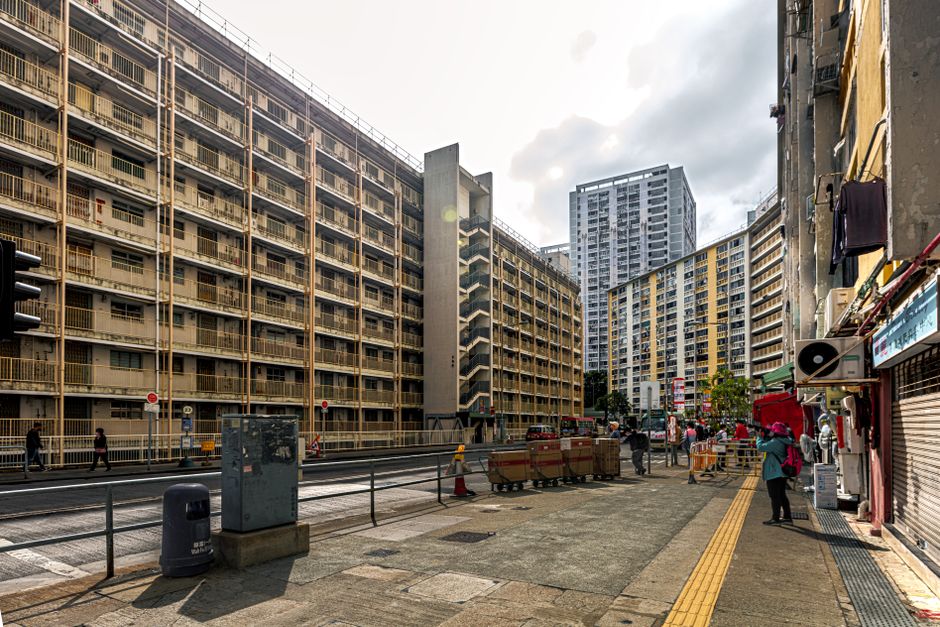
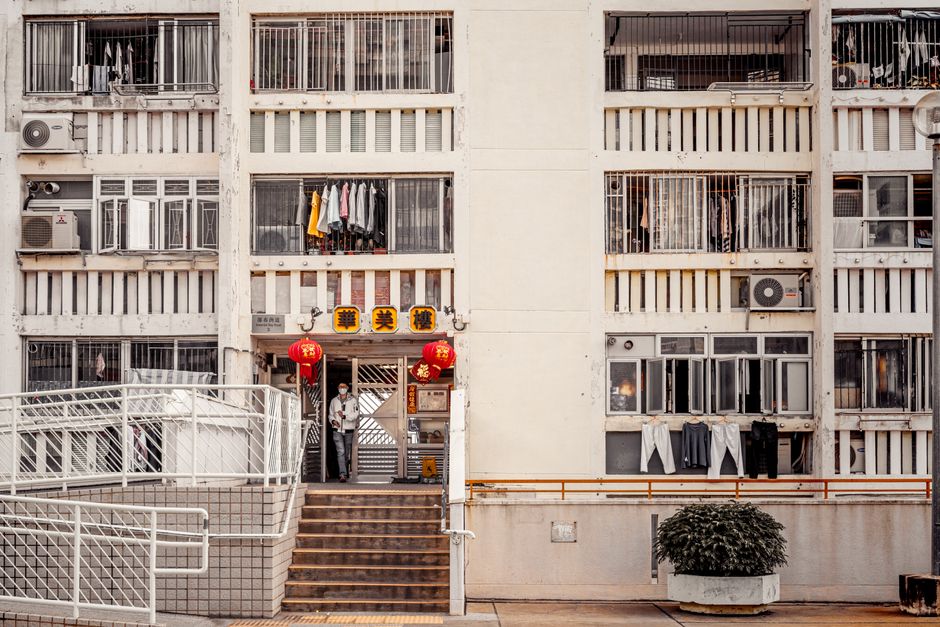
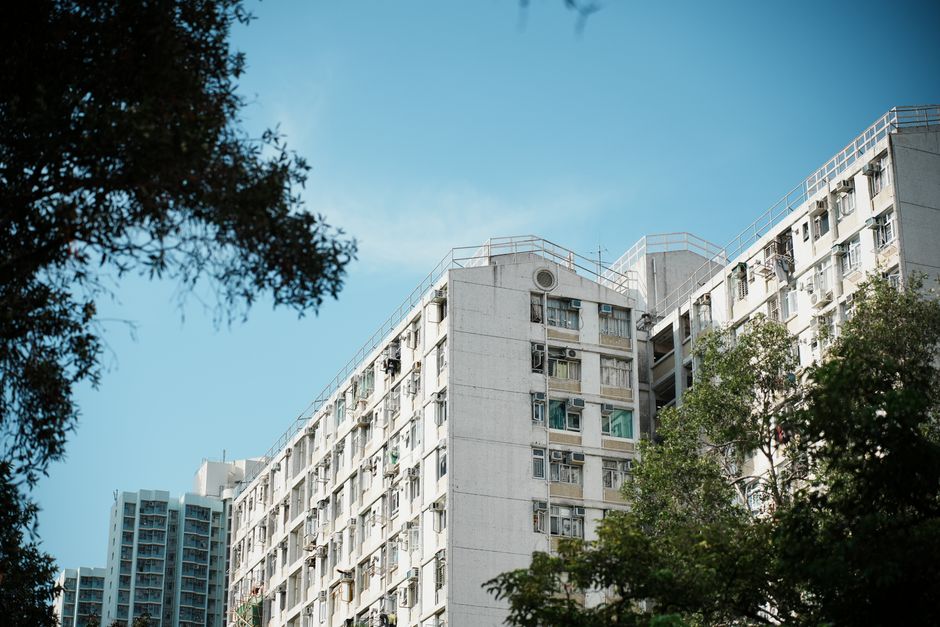
Hong Kong isn't one city—it's dozens of villages stacked vertically. Your neighbourhood guide isn't a book. It's the accumulated knowledge of showing up, asking questions, and allowing yourself to become someone's regular.
This article was compiled by AI and screened before publishing. See our editorial standards.