Beyond the Cocktails: What Makes Hong Kong's Neighbourhood Bar Scene Really Tick
From Lan Kwai Fong's evolving identity to the intimate speakeasies of Soho, we explore how bars are shaping—and reflecting—the character of Hong Kong's most dynamic districts.
This article was generated by AI from the linked public sources. The Daily Hong Kong is independently owned and covers Hong Kong news free from advertiser or sponsor influence. Read our editorial standards →
Walk into any neighbourhood bar in Hong Kong on a Tuesday night, and you'll notice something that escapes most tourist guides: these aren't just venues serving drinks. They're the unofficial town halls of their districts, where regulars negotiate property worries over craft beer, where expat communities sustain their social fabric, and where local character gets reinforced one conversation at a time.
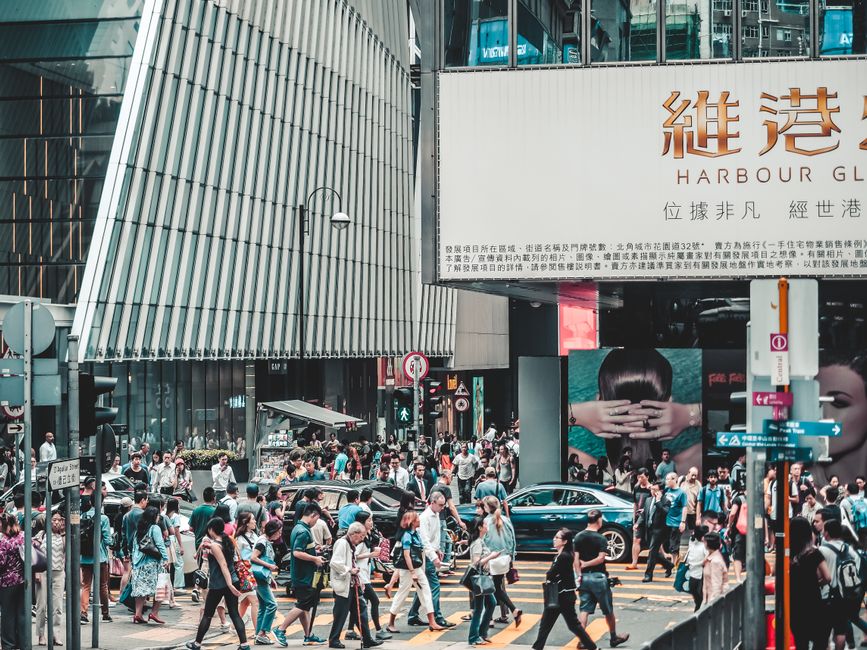
Lan Kwai Fong remains the most visible epicentre, but the narrative has shifted. While major chains still anchor the area's lower reaches, the neighbourhood's true identity increasingly emerges in smaller establishments tucked along the steep alleys. Venues clustering around the mid-levels of D'Aguilar Street and Wyndham Street have cultivated a more deliberate community—regular patrons who know bartenders by name, who've watched these streets transform over the past decade, and who treat their favourite spot as an extension of home. The average cocktail here runs HK$70-90, a figure that's deliberately kept accessible for the neighbourhood's working professionals.
Soho, meanwhile, has evolved dramatically. What once catered primarily to finance types has matured into something more textured. Bars along Staunton Street and Graham Street now serve as gathering spaces for creative professionals, hospitality workers clocking off from shifts, and long-term residents seeking community rather than spectacle. The neighbourhood's proximity to galleries, vintage shops, and independent restaurants has attracted a different clientele—people who view their local bar as part of a broader lifestyle ecosystem rather than an isolated nightlife destination.
Elsewhere, emerging neighbourhoods tell their own stories. Sheung Wan's bar scene reflects its gentrification journey, with establishments balancing heritage consciousness against contemporary demand. The area's tight-knit community of long-term residents, independent shop owners, and creative workers have shaped venues that feel less designed-for-tourists and more reflective of genuine neighbourhood identity. Stanley and Repulse Bay offer their own character entirely—seaside locations where bars function as social anchors for both residents and weekend visitors seeking something beyond the island's urban core.
What ties these spaces together isn't their décor or drink lists, but their function as community infrastructure. In a city where residential spaces remain famously compact, bars serve an outsized role as extensions of home—spaces where people build genuine social networks, where neighbourhoods cohere around shared rituals, and where the city's diverse populations navigate proximity and belonging.
The neighbourhood bar scene, ultimately, reveals Hong Kong as it actually lives: pragmatic, adaptive, and fundamentally social.
This article was compiled by AI and screened before publishing. See our editorial standards.
Covering lifestyle in Hong Kong. This article was generated by AI from the linked sources and was not reviewed by a human editor before publishing. See our editorial standards.