This article was generated by AI from the linked public sources. The Daily Hong Kong is independently owned and covers Hong Kong news free from advertiser or sponsor influence. Read our editorial standards →
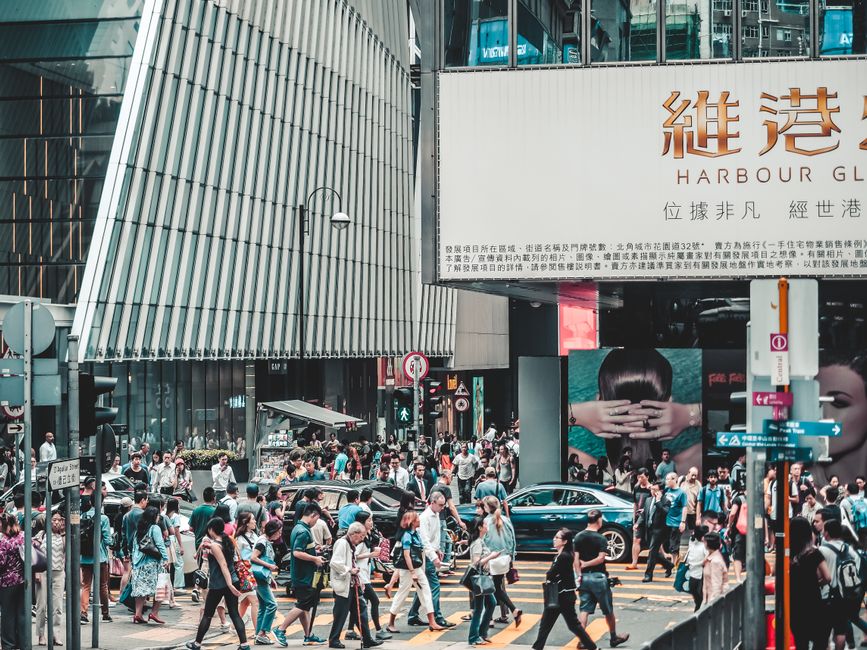
On a Saturday morning in Repulse Bay, the promenade buzzes with energy—pushchairs line the seafront cafés, children splash in supervised pools, and parents swap recommendations for summer camps that won't break the bank. This scene captures something essential about how Hong Kong families are reclaiming neighbourhood identity in an increasingly digital world.
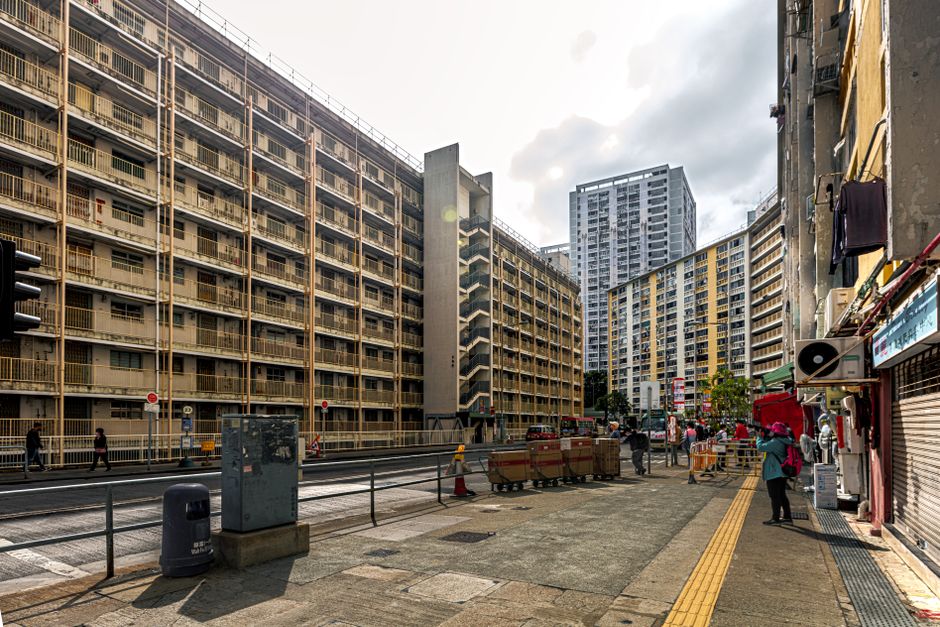
The shift is palpable. Rather than treating their districts as mere residential zones, parents are actively constructing micro-communities around schools, playgrounds, and local institutions. Take Kennedy Town, where the regenerated waterfront has become an unofficial social hub. Parents with children in local primary schools—many of which charge tuition between HK$160,000 and HK$280,000 annually—gather at the revitalised community centres, farmer's markets, and independent cafés that now dot the neighbourhood. The sense of place matters here, particularly as international families seek alternatives to the traditional Central and Mid-Levels bubble.
Neighbourhoods like Sheung Wan and Sai Ying Pun have experienced similar transformation. The opening of PMQ (Police Married Quarters) as a creative and cultural hub has drawn young families seeking more than just premium education. Local playgroups organise via WhatsApp, parents advocate collectively for better school policies, and weekend cultural programmes become informal community-building exercises. Schools including local Chinese kindergartens and international options now compete not just on academic metrics—though HKDSE results remain paramount—but on neighbourhood integration and parent engagement.
Data suggests this matters economically too. Properties near well-regarded schools in established neighbourhoods command premiums; a two-bedroom apartment in mid-Kennedy Town averages HK$9-11 million, with proximity to quality schools and parks cited as key drivers. Yet beyond property values, what's truly shifting is parental psychology. Rather than viewing school selection as an isolated transaction, families increasingly evaluate entire neighbourhood ecosystems—accessibility to quality international schools, availability of Mandarin and enrichment classes, sports facilities, and crucially, whether other families share similar values.
Community organisations play their part. Groups like the Hong Kong Parenting Network and neighbourhood-specific parent associations now actively programme events—from beach clean-ups in Stanley to heritage walks in Wan Chai that engage children directly with their surroundings. Schools themselves increasingly position their facilities for weekend community use, breaking down the traditional divide between institution and neighbourhood.
The pandemic accelerated this trend, forcing families to value local infrastructure and community connection. As remote work remains flexible for many expats and affluent locals, the calculus of where to raise children has fundamentally shifted—away from pure convenience toward genuine community vibrancy.
This article was compiled by AI and screened before publishing. See our editorial standards.
Covering lifestyle in Hong Kong. This article was generated by AI from the linked sources and was not reviewed by a human editor before publishing. See our editorial standards.