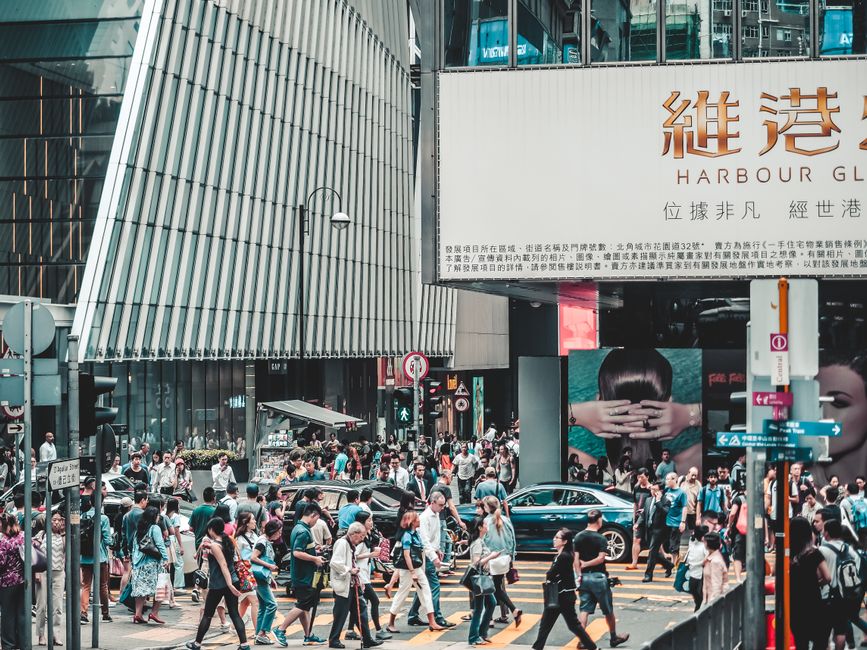
On any given evening, Temple Street Night Market in Mong Kok thrums with the kind of energy that doesn't exist in shopping malls. Watch closely and you'll see the real story: a vendor arranging vintage Cantonese opera vinyl records with the precision of a museum curator, a woman who's run the same jade stall for thirty-two years advising customers on authenticity, a young collector explaining the provenance of 1990s anime figurines to someone half her age.
These are the faces that define Hong Kong retail beyond transactions. They're the custodians of a particular kind of knowledge—intuitive, earned through decades of handling goods, talking to strangers, and understanding what matters to this city's shoppers.
Walk through the wet markets of Central or Sheung Wan on a Saturday morning, and you encounter a different kind of expertise. Fishmongers who can identify a grouper's exact origin by its gill colour. Produce sellers who remember their regular customers' preferences. A dai pai dong operator who sources organic vegetables from a network of New Territories farmers and can tell you the difference between three varieties of Chinese mustard greens. These aren't merely transactional relationships; they're built on trust, accumulated over months or years.
The same applies to the vintage and secondhand ecosystem flourishing across Causeway Bay's side streets and PMQ's creative spaces. Collectors and curators—many of them younger entrepreneurs—are preserving Hong Kong's material culture: vintage handbags, retro home goods, pre-1997 cultural artefacts. They're archivists as much as retailers, contextualising objects within Hong Kong's unique history.
What distinguishes Hong Kong's retail landscape isn't the merchandise alone. It's the people who've chosen to spend their working lives mastering niches, serving communities, maintaining standards. The fabric vendor in Kowloon City who knows every textile supplier in the region. The bookshop owner in Sham Shui Po who curates titles with curatorial intent. The spice merchant on Stanley Street whose family has traded in aromatics for three generations.
In an era of e-commerce and algorithmic recommendations, these individuals represent something increasingly rare: human expertise, rooted in place and relationship. They make Hong Kong's markets more than retail destinations—they're spaces where knowledge lives, where stories accumulate, where transactions become encounters.
That's what keeps shoppers returning, season after season.
This article was compiled by AI and screened before publishing. See our editorial standards.