lifestyle
The Commuters Who Connect Hong Kong: Stories Behind Every Packed MTR Car
From elderly dim sum aunties to young creatives, the faces on our daily journeys reveal the heart of this restless, relentless city.
2 min read
Updated 32 min ago
lifestyle
From elderly dim sum aunties to young creatives, the faces on our daily journeys reveal the heart of this restless, relentless city.
2 min read
Updated 32 min ago
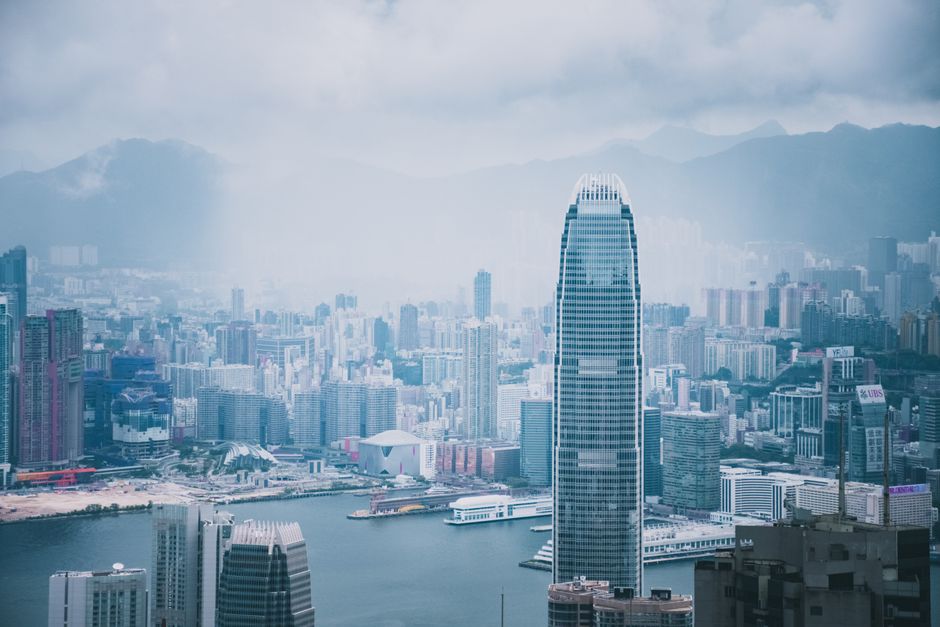
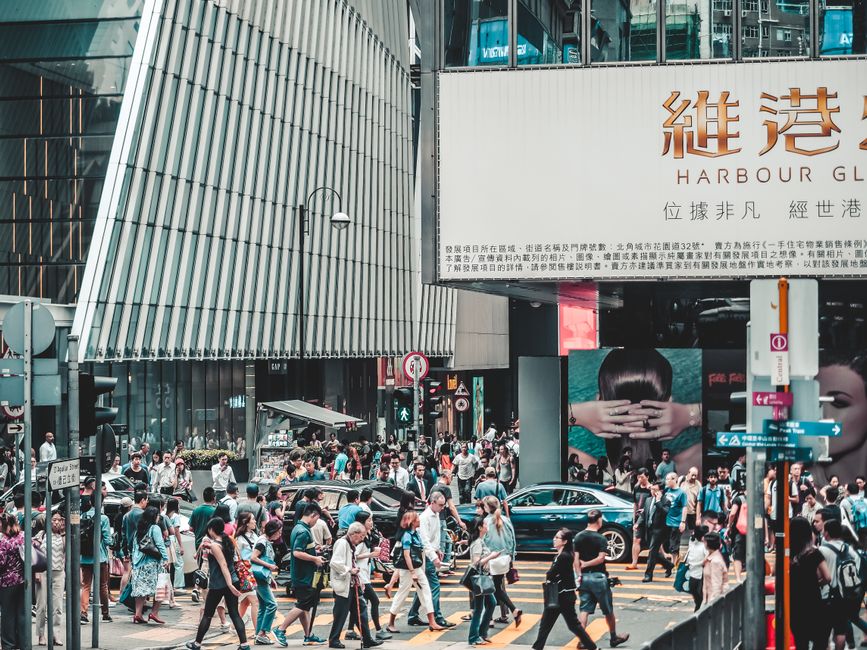
At 8:15 a.m. on a Tuesday, the Central line between Admiralty and Central stations carries 47,000 commuters per hour. But behind the crush of bodies and the blur of smartphone screens are stories that define what it means to move through Hong Kong.
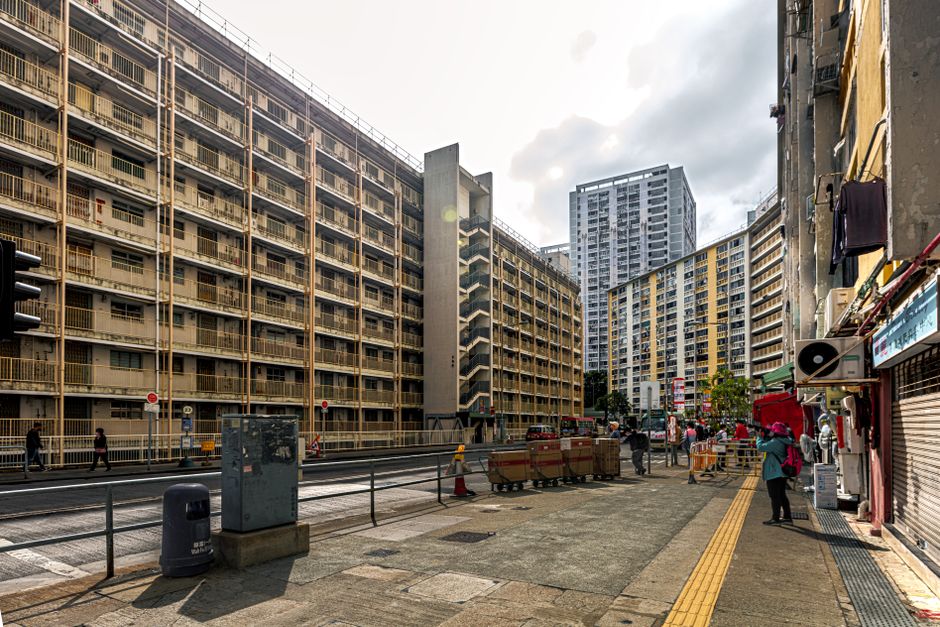
Take the MTR—the backbone of our city's circulatory system. For over two million daily passengers, these trains are far more than transport. They're offices, classrooms, meditation chambers, and unexpected stages for human connection. On the Tung Chung line heading toward the airport, flight attendants in uniform compare notes with cleaners starting their shifts. On the Island line crawling eastward through Quarry Bay's brutalist towers, university students cluster around laptops, cramming for exams between stops.
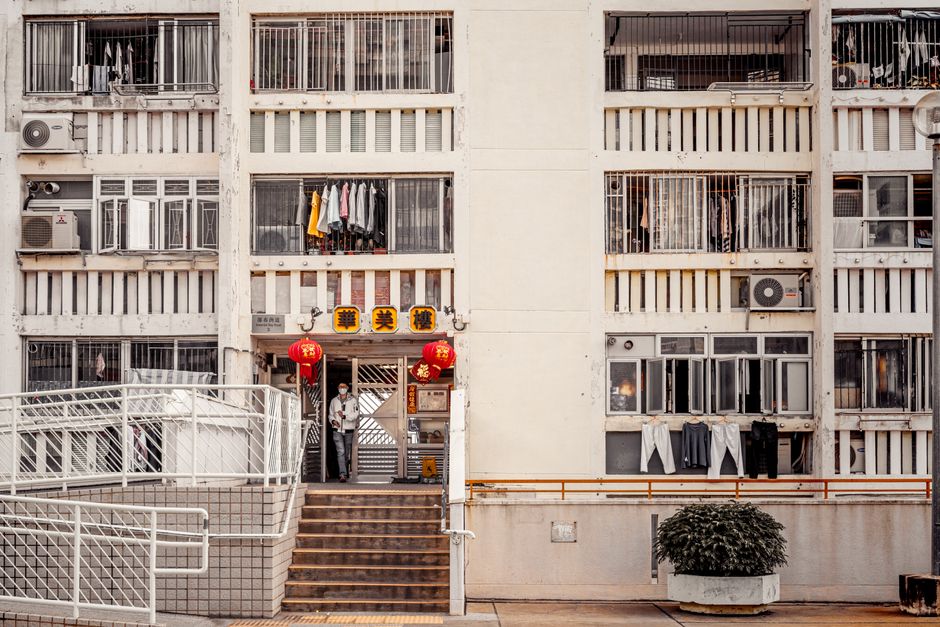
The minibus culture tells another story entirely. Those cramped, neon-lit private vehicles threading through the narrow streets of Mong Kok and Sham Shui Po carry their own cast of regulars. Elderly residents who've lived in the same tenement for forty years sit beside delivery cyclists, their baskets loaded with meals for office workers scattered across the Central Business District. A three-dollar journey becomes a five-minute conversation in Cantonese, a moment of recognition in a city that often feels designed for anonymous speed.
The Star Ferry between Central and Wanchai remains perhaps the most democratic commute in Hong Kong. At just HK$2.90 for ordinary class, it's where construction workers heading to Mid-Levels projects share the wooden benches with finance professionals. The seven-minute crossing is carved into the rhythm of countless lives—a brief respite where people actually look up from their phones.
What strikes anyone paying attention is the quiet choreography of it all. The way street sleepers know which MTR exits provide shelter from morning rain. How domestic helpers navigate the Tsim Sha Tsui promenade on Sundays without a map. The delivery cyclist who's somehow memorized every shortcut between Causeway Bay and Wan Chai in a city of 1,104 square kilometres.
Hong Kong's transport networks move bodies with industrial efficiency. But they move something else too: the accumulated hopes, habits, and human stories that make this place breathe. Every packed carriage, every crowded minibus, every crowded pier carries faces that have chosen, somehow, to build lives here. That's the real journey.
This article was compiled by AI and screened before publishing. See our editorial standards.
About this article
Published by The Daily Hong Kong
Spread the word
Daily brief
Free, in your inbox before 7am. Weekdays.
Before you go
The day's Hong Kong news in a 2-minute read. Free, weekday mornings.