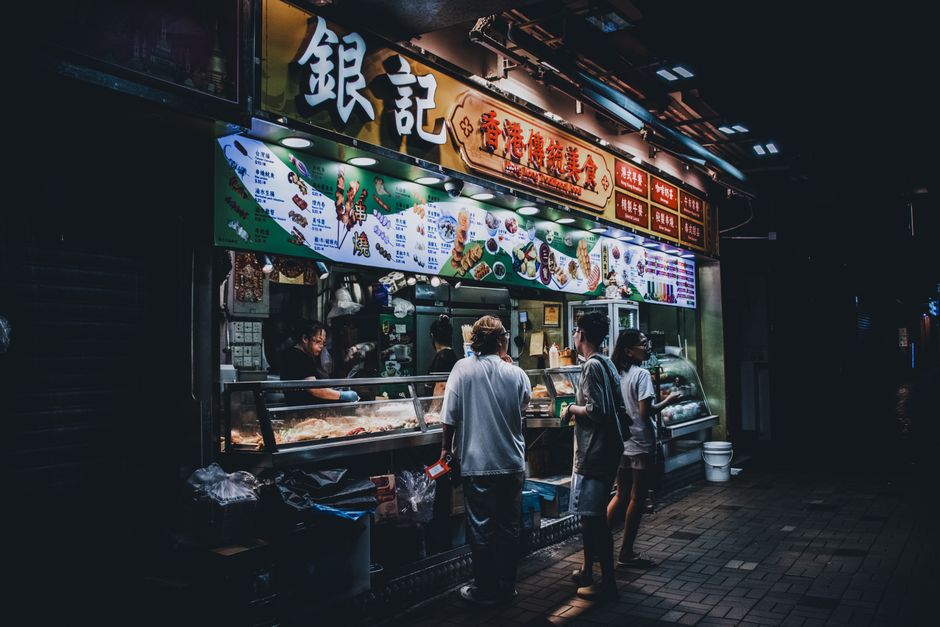
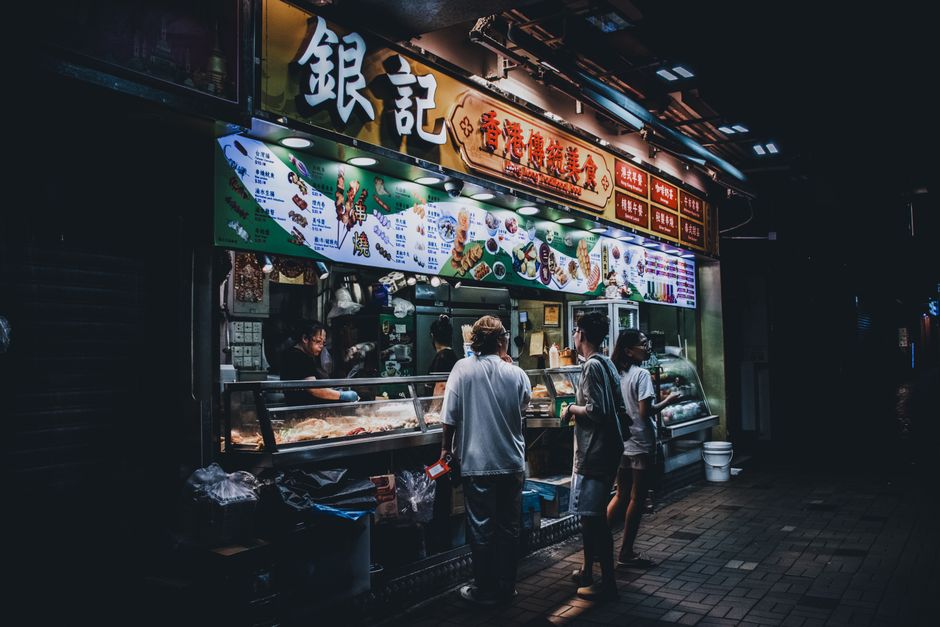
Dim sum in Hong Kong costs almost nothing if you know where to look, and that's the secret locals guard carefully. A plate of har gow or siu mai runs between HK$2.50 and HK$4 at neighbourhood dai pai dong joints in Mong Kok or Causeway Bay, while the same dumplings fetch HK$8 to HK$12 at upscale restaurants in Central. The price spread matters not because one is inherently better, but because most visitors overpay by choosing the wrong venue on their first trip.
The timing of this question isn't random. As global inflation pushes hospitality costs higher and Hong Kong's tourism rebounds to pre-pandemic levels, dim sum venues face genuine pressure to raise prices. The Hong Kong Economic Times reported in May 2026 that restaurant operating costs climbed 18 percent year-on-year due to labour and utilities expenses. Yet dim sum prices have remained relatively stable for regular customers who know the unwritten rules: arrive before 10:30 a.m., order from the trolley rather than the menu, and skip the peak weekend slots unless you're willing to queue.
Where Money Actually Goes: The Price Tiers Explained
Budget dim sum exists in two distinct categories. The first is the dai pai dong—open-air food stalls found in wet markets and older commercial buildings. Tim Ho Wan, technically a casual restaurant chain with locations on Siu Yuen Street in Mong Kok and Wellington Street in Central, operates as the accessible middle ground. Plates there range from HK$3.20 to HK$7.80 depending on complexity. A standard order for two people—eight to ten items—costs around HK$50 to HK$70 and arrives within 20 minutes.
The second tier includes established dim sum restaurants that still maintain trolley service. Places like Jing Fong on Wellington Street in Central and Maxim's Dim Sum in various locations across Hong Kong operate high-volume operations where carts roll past your table. You point, the server marks your bill, and the final tally depends entirely on how many plates you grab. Two people eating moderately spend HK$100 to HK$150. The markup from dai pai dong covers tablecloth service, air conditioning, and longer opening hours.
Premium venues—the ones with private dining rooms, à la carte menus only, and no trolleys—operate in a different universe entirely. Four people at a flagship location in The Landmark or Pacific Place easily spend HK$600 to HK$1,000. These aren't destinations for breakfast dim sum; they're special occasion restaurants.
The Numbers That Actually Matter
Hong Kong serves roughly 8 million dim sum meals per week across 2,400-plus venues, according to data compiled by the Hong Kong Tourism Board. That scale exists because locals eat dim sum regularly, not as tourists. What separates accessible venues from tourist traps is customer turnover and ingredient sourcing. Jing Fong seats 500 people across multiple floors and operates four seatings during weekend breakfast service. That volume keeps prices down for everyone.
Practical timing matters. Dim sum restaurants open between 7 a.m. and 9 a.m., and prices drop if you arrive within the first hour. First seating means fresher items, shorter waits, and no pressure to abandon your table after 90 minutes. Trolley service typically runs until 2 p.m. on weekdays and 3 p.m. on weekends; after those windows, restaurants switch to à la carte menus with different (usually higher) pricing. A morning plate of har gow might cost HK$3.20 from the trolley but HK$5.80 if you order it from the printed menu at 2:15 p.m.
Here's what works before your first visit: Bring cash. Older dai pai dong and street-level dim sum operations in Mong Kok and Sham Shui Po accept only notes and coins. Download the Alipay or WeChat Pay apps, which most mid-tier venues accept. Avoid Saturday and Sunday between 11 a.m. and 1 p.m. unless you enjoy standing in queues. And order tea—a pot costs HK$1.50 to HK$3—because restaurants count tea drinkers as seated customers who legitimately occupy tables. Without ordering tea, managers politely rush you through faster.