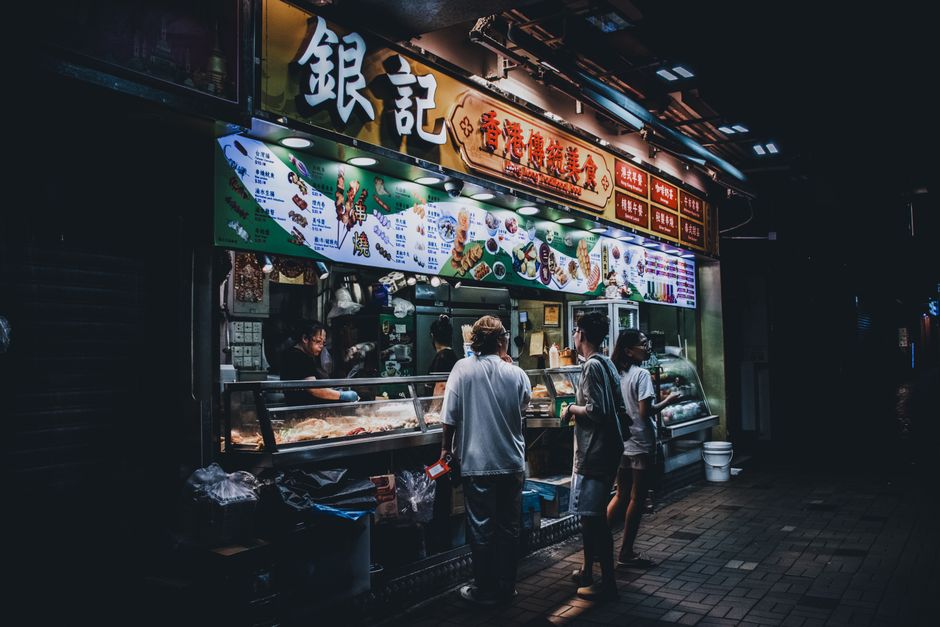
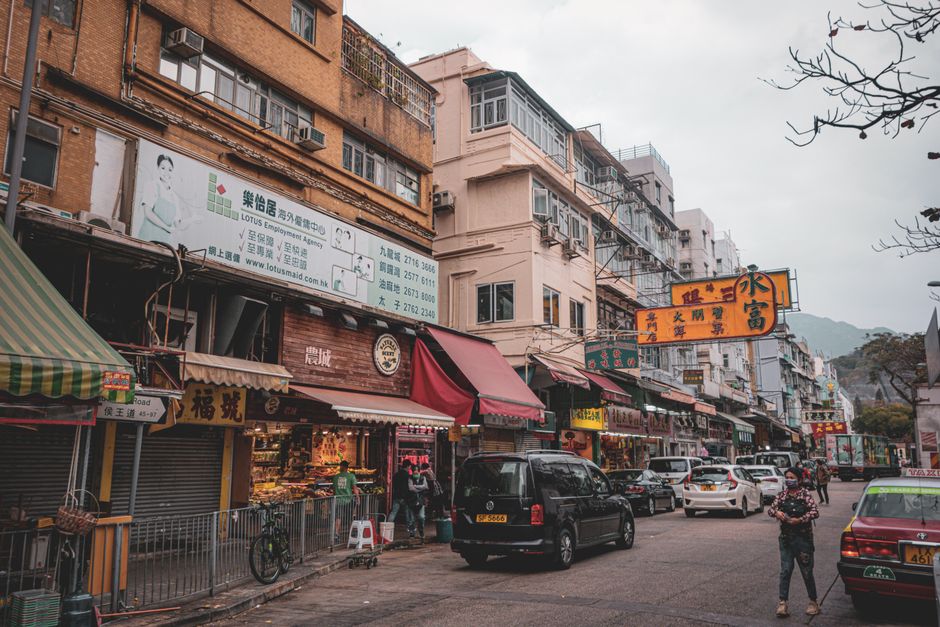
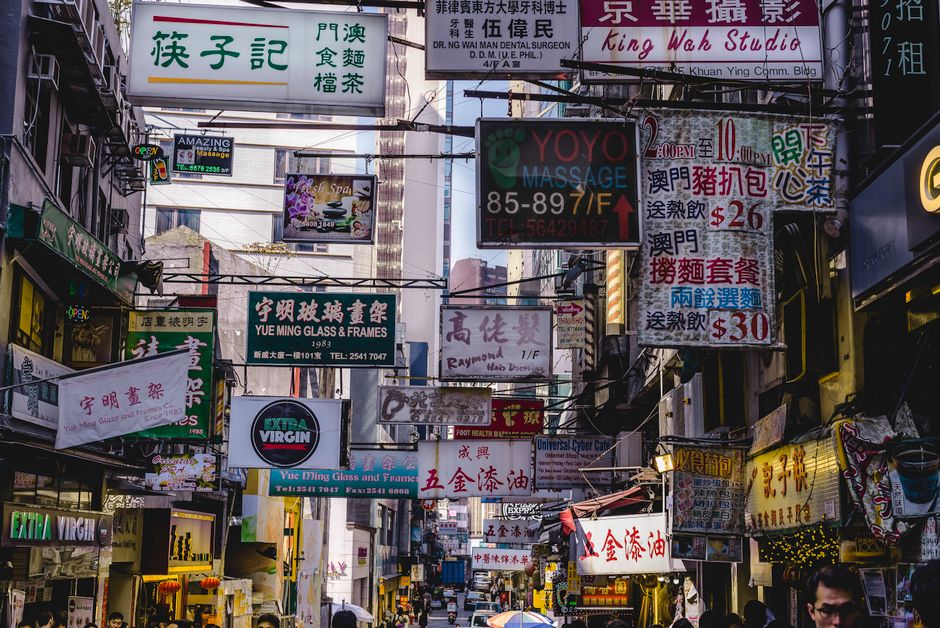
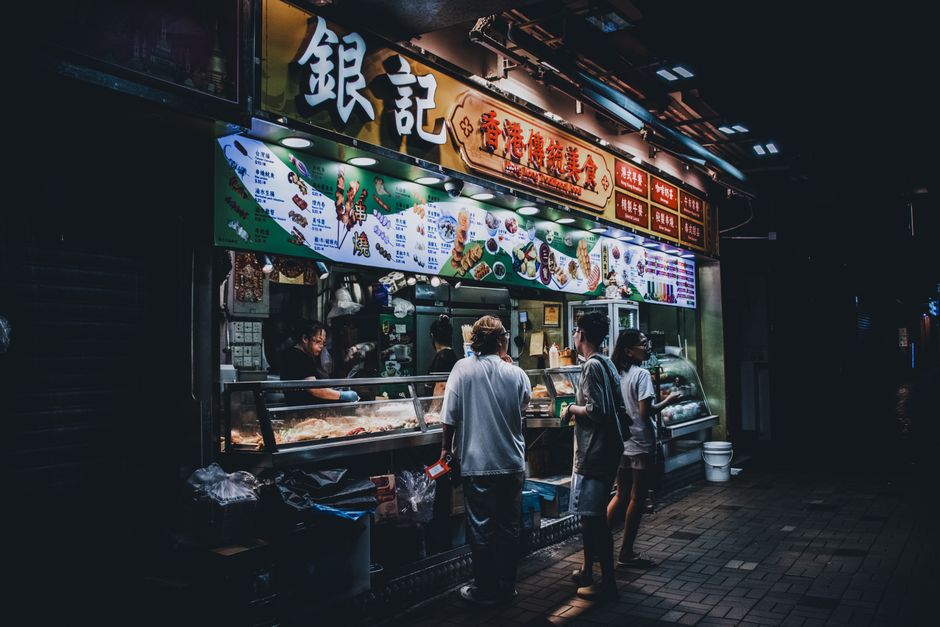
Hong Kong's renowned dim sum culture draws locals and tourists alike, but before diving into bamboo baskets of siu mai and har gow, diners need to understand the cost, accessibility, and timing involved in experiencing the city's best offerings. Prices and availability can vary widely depending on neighborhood and establishment, shaping how you plan your culinary adventure.
Why Dim Sum Matters Now
Dim sum has long been central to Hong Kong's culinary identity. With the city reopening fully to international visitors as of March 2026, demand for authentic local dining experiences has surged. This renewed interest coincides with rising food costs across the board, making it crucial for both residents and tourists to weigh value against experience. Moreover, changes in labor laws and rent hikes have led some iconic dim sum restaurants to adjust menus and prices in recent months, impacting access for regular patrons.
For a more traditional setting, Sun Hing Restaurant on Fuk Wing Street in Sham Shui Po presents a quieter, no-frills alternative with prices averaging HK$25 per dish. This neighborhood eatery is prized for maintaining old-school flavors without the tourist premium.
The Food and Environmental Hygiene Department reports that over 30% of operational dim sum eateries in Hong Kong are concentrated in Kowloon, with many family-run businesses providing authentic experiences away from the busy Central district.
Cost and Access: What the Numbers Show
According to a 2026 survey by the Hong Kong Tourism Board, the average cost of a dim sum meal in midrange restaurants ranges from HK$80 to HK$150 per person, including several dishes and tea. High-end spots in Admiralty like Lung King Heen at the Four Seasons Hotel charge upwards of HK$350 per person but offer luxury settings and innovative takes on dim sum.
Peak dining times between 11am and 1pm, especially on weekends, often require reservations or early arrival to secure seating. Some establishments, like Maxim’s Palace in City Hall Plaza, operate a traditional rolling cart service but no longer allow walk-in patrons without booking ahead, affecting spontaneous visits.
Public transport accessibility is strong, with most dim sum hotspots located near MTR stations such as Sheung Wan, Prince Edward, and Admiralty. The Octopus card can be used seamlessly across buses and subways, easing access to multiple districts for food tours.
Planning Your Dim Sum Experience: Tips and Trends
First-timers should consider booking through restaurant websites or popular dining apps like OpenRice, which also provide up-to-date reviews and pricing. Budget travelers might prioritize weekdays or late lunch hours when some places offer lower prices.
Meanwhile, traditionalists can look for weekend morning dim sum at Tai Ping Koon Restaurant on Nathan Road, open since 1938, which balances affordability and a classic ambiance. Vegetarians should note that some dim sum dishes contain lard or seafood stock, so clarifying ingredients when ordering is advised.
Finally, be ready for communal dining styles—sharing dishes is customary and part of the social experience. Armed with knowledge about locations, costs, and booking logistics, diners can savor Hong Kong's dim sum culture fully prepared and informed.