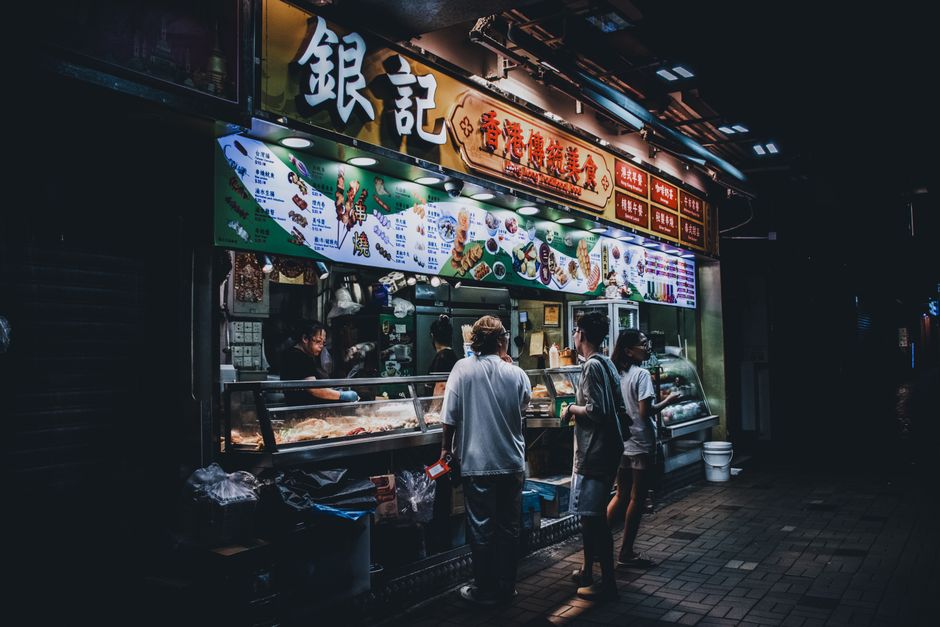
Hong Kong continues to assert its position as the world’s dim sum capital, drawing locals and tourists alike to its bustling teahouses where traditional recipes sit side-by-side with innovative culinary experiments. As of mid-2026, the city boasts over 750 dim sum establishments, ranging from historic eateries to hip new venues, underscoring an enduring cultural and gastronomic obsession that other cities struggle to match.
This spotlight on dim sum culture matters as Hong Kong reasserts its culinary identity amid increasing globalization and the rise of Chinese and Cantonese cuisine internationally. As top-tier dim sum restaurants expand overseas, Hong Kong remains the benchmark for the freshest ingredients, age-old techniques, and an unmatched dining atmosphere rooted in local community life.
The Heartbeat of Dim Sum: Local Roots and Renowned Venues
The city’s dim sum scene is anchored in neighbourhoods like Yau Ma Tei and Central, where decades-old teahouses still serve up steaming baskets of siu mai and har gow. One longstanding institution, Lin Heung Tea House on Wellington Street, has been a local favourite since 1926. Its wooden interiors, communal tables, and pushcart service preserve an authentic dining experience that transports patrons back in time.
Meanwhile, Maxim’s Palace situated in City Hall, remains a must-visit for its grand dining hall and classic dim sum menu. The venue exemplifies Hong Kong’s unique blend of traditional flavors with an upscale dining environment. Diners witness the fast-paced dim sum ritual, where servers navigate the hall with carts laden with delicacies like lotus leaf rice and egg tarts.
Data Points and Dining Costs: Affordability Meets Quality
According to the Hong Kong Tourism Board's latest culinary report from March 2026, the average cost of a dim sum meal that includes four to five dishes and tea ranges between HK$80 to HK$150 per person at street-level establishments, while premium venues may charge HK$250 or more. Despite the wide price spectrum, the city’s dim sum maintains an exceptional reputation for quality, fresh ingredients, and variety.
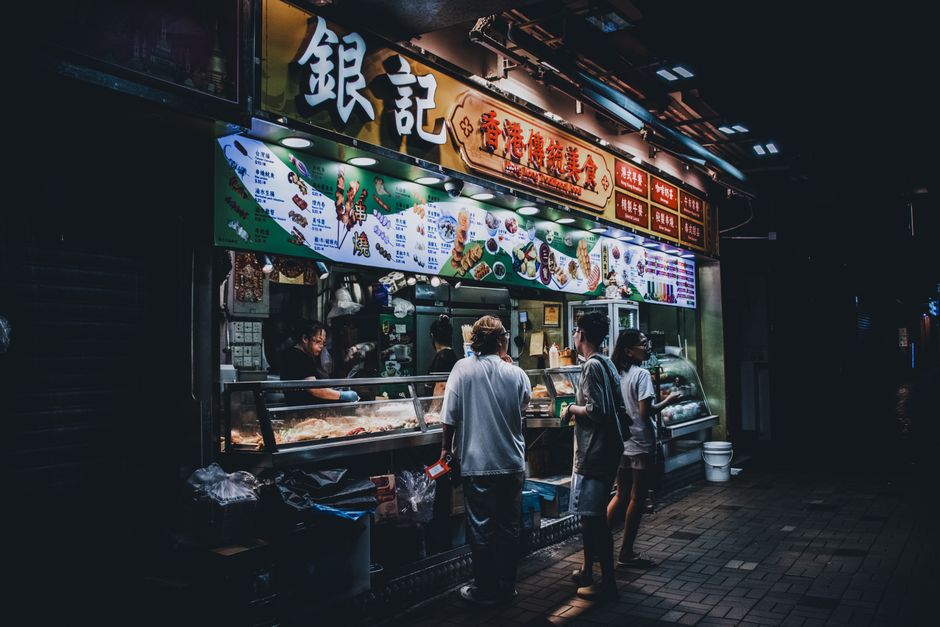
The diversity of dim sum reflects Hong Kong’s layered culture. From humble dai pai dong stalls offering steamed rice rolls and cha siu bao for under HK$30, to Michelin-starred restaurants presenting inventive twists on dumplings for upwards of HK$100 per piece, the spectrum is unmatched worldwide.
Importantly, the city’s robust supply chain from nearby Guangdong Province ensures the freshness crucial to dim sum, while innovation hubs foster a wave of young chefs experimenting with fusion elements without losing the essence of the cuisine.
Looking ahead, the Hong Kong government has set up the "Gastronomic Heritage Programme" this year to preserve traditional food practices, including dim sum craftsmanship, against the backdrop of rapid urban change. For locals and visitors, the best way to experience Hong Kong dim sum remains an early morning visit to a vibrant teahouse, where the delicate fragrance of jasmine tea mixes with lively chatter and the clatter of bamboo steamers.
As the city continues to evolve, the future of Hong Kong’s dim sum promises a charming blend of classic tastes and creative flair. For those keen to explore, places like Lin Heung Tea House and Maxim’s Palace offer a compelling introduction, with prices accommodating a range of budgets. Booking ahead, especially on weekends, is advisable to secure a seat amid the bustling crowds craving the city’s historic and ever-evolving dim sum culture.