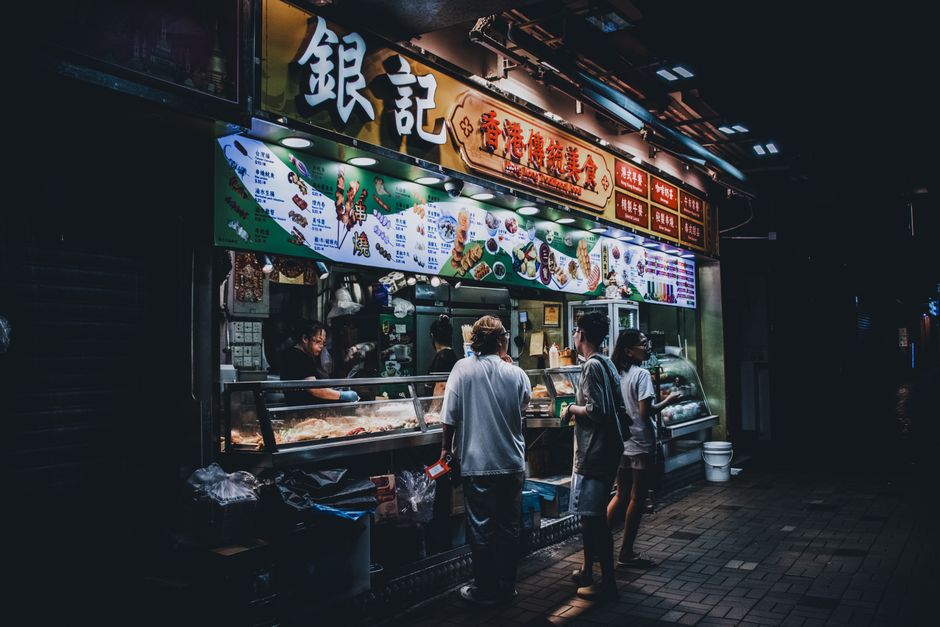
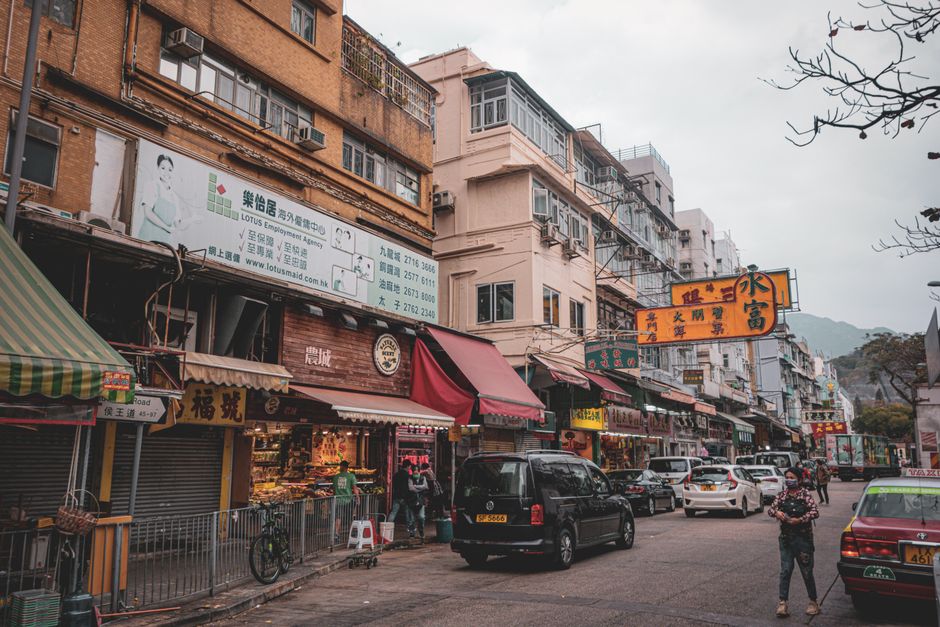
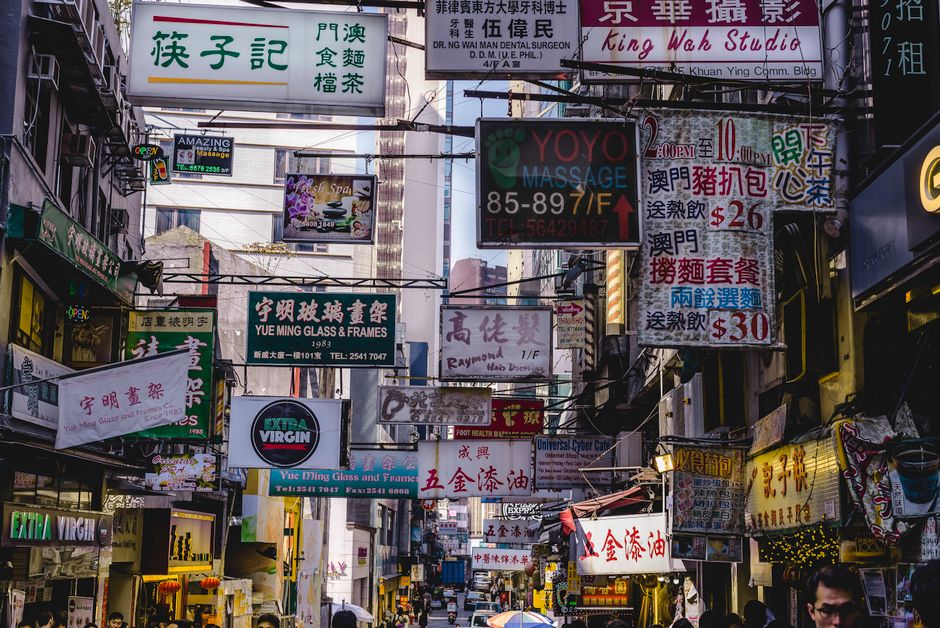
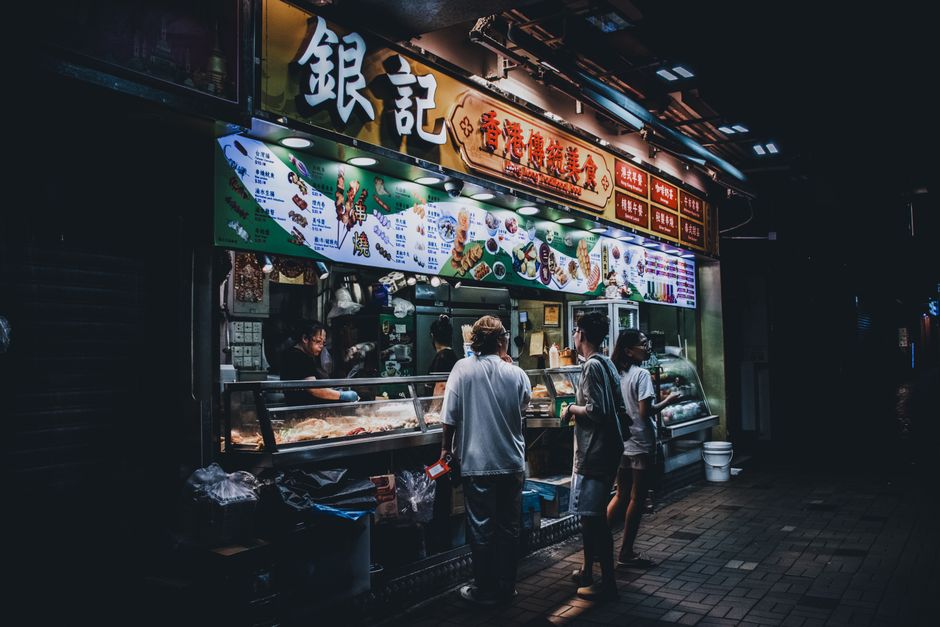
Hong Kong’s dim sum culture, a cornerstone of its culinary identity, is undergoing a noticeable transformation in 2026, reinvigorating interest among locals. This year has seen a surge in new establishments blending traditional recipes with modern culinary techniques, alongside a revival of classic teahouse venues, making dim sum both nostalgic and novel once more.
Why This Matters Now
The timing is significant as Hong Kong emerges from pandemic disruptions and intensifying regional competition in food tourism. After a dip in patronage during COVID-19, citizens are rediscovering and redefining their connection to dim sum—not just as casual dining but a cultural ritual. This resurgence reflects broader shifts in local lifestyle and dining preferences, where experience and innovation meet heritage. Food industry analysts note that with the city’s tourism still recovering, locals have become the primary drivers of dim sum business, spotlighting a resurgence deeply rooted in community and identity.
Local Gems Leading the Transformation
Two standout venues illustrate the evolving dim sum landscape. First, Yung Kee in Central, an institution since 1942, has by mid-2026 introduced a new seasonal menu featuring sustainable seafood options, adapting to environmental concerns increasingly important to diners. Their $88 HKD dim sum plates now include bamboo clam dumplings, marrying tradition with modern eco-consciousness.
Meanwhile, In Sha Tin’s Paradise Dynasty, renowned for its colourful xiao long bao, launched a limited-time artisanal tea-pairing experience earlier this year. The collaboration with Tai Po-based Hong Kong Tea Lovers Society pairs dim sum with rare teas — a hit among younger local diners craving a multi-sensory culinary adventure. This fusion has revitalised interest particularly in the New Territories, a district where local food entrepreneurs have been less visible historically compared to the more central districts.
Statistical Pulse and Economic Indicators
According to the Hong Kong Food and Beverage Association’s latest report released in June 2026, dim sum restaurants have seen a 12 percent increase in local customer spending compared to 2024, with an average ticket size rising from $120 HKD to $140 HKD. The report also highlights a 15 percent growth in dim sum outlets opening between 2025 and 2026, driven by both heritage brands modernising and newcomers offering innovative twists on flavours and presentation.
Hong Kong Tourism Board figures confirm locals now comprise 65 percent of dim sum diners, a marked increase from 50 percent in 2023, underscoring the shift to a homegrown clientele. This shift ensures that as tourism slowly rebounds, local tastes and preferences will heavily influence how dim sum evolves in the city.
Prices remain accessible with most classic dim sum items ranging between $28 and $68 HKD, keeping the tradition an affordable daily indulgence rather than a luxury.
Where It’s Headed and What to Try Now
The trajectory suggests that Hong Kong’s dim sum scene will continue embracing sustainability, culinary creativity, and immersive experiences. Diners should expect more collaborations between traditional chefs and young innovators, plus a growing number of pop-up street dim sum markets in neighborhoods like Sham Shui Po and Wan Chai.
For locals or visitors keen to experience this renewed dim sum culture, expert advice is to revisit established names like Yung Kee for its contemporary classics and explore emerging spots such as the Tea-Pairing sessions at Paradise Dynasty. Keep an eye out for seasonal menus and community-driven events promoting Cantonese heritage.
In a city where food is woven into the social fabric, this dim sum revival is more than a meal; it’s a cultural reconnection that resonates deeply with locals ready to cherish tradition while embracing innovation.