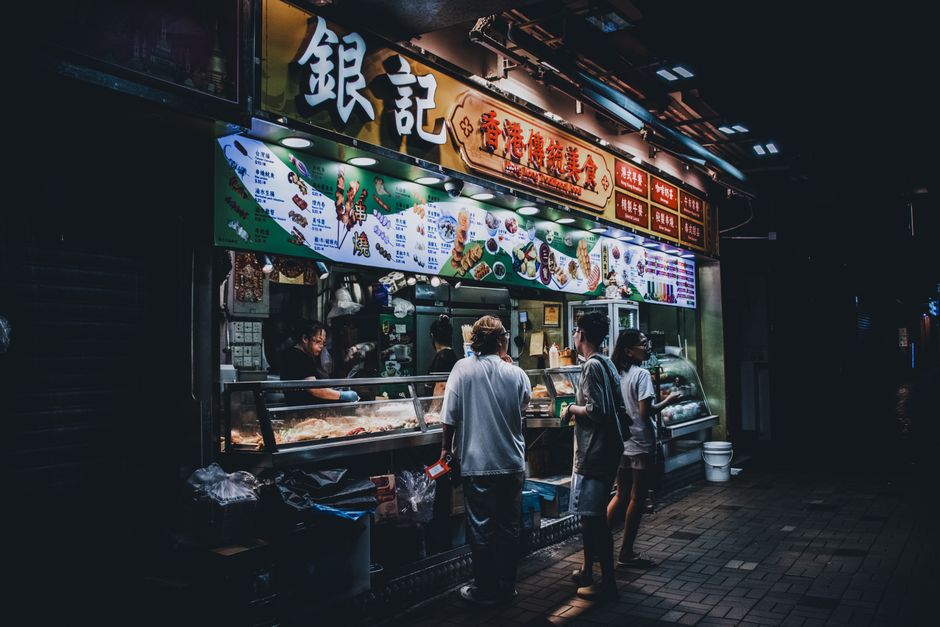
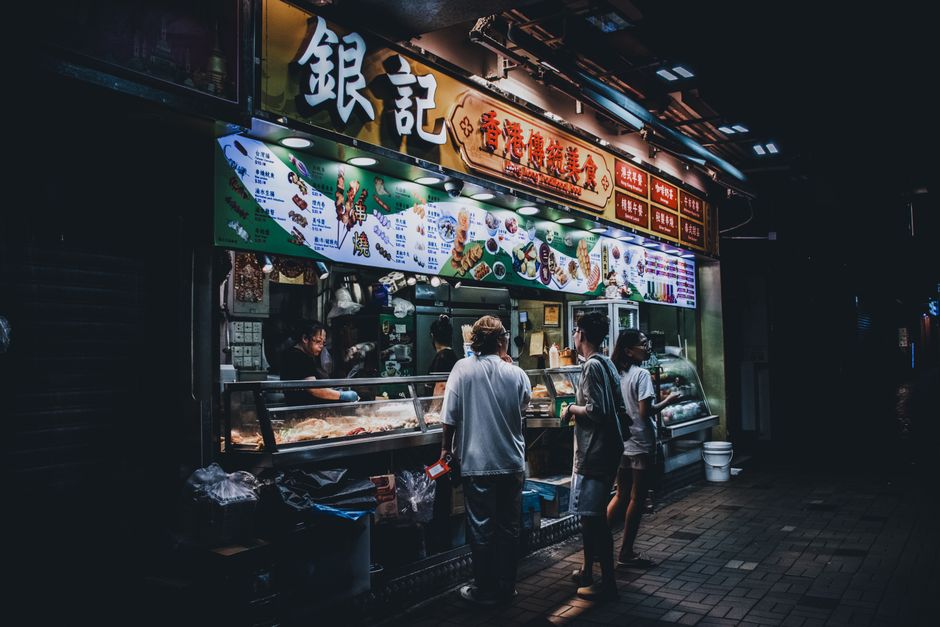
The dim sum carts stopped rolling through Tim Ho Wan on Wellington Street in Central three years ago. The restaurant's owner made the call to abandon the traditional push-trolley service, replacing it with order forms and a kitchen that now pumps out dishes in a fraction of the time. What should have been a funeral for an institution instead became a resurrection—foot traffic doubled within six months, and the average diner age dropped by nearly fifteen years.
That shift captures something larger happening across Hong Kong's dim sum landscape. The meal that defined Cantonese culture for generations, that rigidly adhered to afternoon service windows and unspoken social hierarchies, has undergone a quiet revolution. Locals aren't abandoning dim sum—they're reclaiming it on their own terms. Between changing work schedules, a food tourism boom that made dim sum fashionable again, and a wave of younger chefs willing to experiment, the meal has transformed from an obligation grandparents enforced into something people actually crave.
The numbers tell part of the story. According to the Hong Kong Tourism Board, dim sum restaurant visits jumped 34 percent between 2023 and 2025, with diners aged 25-35 driving most of that growth. But the real measure isn't in tourism statistics—it's in how locals now talk about dim sum differently. Where their parents viewed it as a weekend ritual, a chance to sit for two hours over tea with family business to discuss, younger Hongkongers treat it as accessible, playful food. Fast. Social media-friendly. Sometimes even served at night.
The Trolley Meets the Mobile Phone
Start with Yum Cha on D'Aguilar Street in Lan Kwai Fong. The venue operates nothing like the dim sum houses that dominated Central forty years ago. No carts. No shouted Cantonese taking orders. Instead, diners scan a QR code, browse a menu that changes weekly, and watch through an open kitchen as chefs hand-fold shumai and char siu bao. The restaurant opened in 2024 and now operates at 95 percent capacity most weekends. The average spend sits around HK$220 per person, significantly higher than traditional competitors, yet the wait for a table regularly stretches past an hour.
Mott 32 in Central, housed in the historic 1920s compound on Gage Street, represents another strain of change. The restaurant pairs dim sum classics with modern presentation and wine pairings—things that would have seemed sacrilegious a decade ago. Yet the kitchen moves through eight seatings on weekend mornings, and reservations book out two weeks in advance. The restaurant's dim sum set—five pieces, three sauces, two teas—costs HK$298. Five years ago, that would have seemed absurd. Now it reads as ambitious but justified.
What unites these places isn't any single innovation. It's permission. Permission to serve dim sum beyond the 7 a.m. to 3 p.m. window. Permission to charge premium prices without serving families of twelve. Permission to make dim sum feel contemporary without losing its skeletal structure: small portions, tea, the social geometry of sharing.
Why the Timing Clicked
The pandemic accelerated existing trends rather than creating new ones. When restaurants shuttered in 2020, traditional dim sum houses with razor-thin margins and labor-intensive service models suffered worst. Establishments that survived often rebuilt with streamlined operations. The vacuum created space for newcomers willing to run dim sum as a premium experience rather than a volume game.
Equally important: Hong Kong's work culture fractured. The nine-to-six office day eroded. Remote work arrangements meant people could take Saturday and Sunday mornings slowly. Dim sum, which demands time and company, suddenly fit again—just not on the old schedule. Restaurants that opened their kitchens on Friday evenings and Sunday nights found customers waiting at the door.
For anyone planning their next dim sum run, the shift means choices exist beyond the old guard. Veteran restaurants like Jing Fong in Wellington Street still operate forty trolleys daily, still serve under HK$100 for a full meal. But newcomers and reinvented classics now offer a genuine alternative—not superior, just different. The city now accommodates both the grandparent shepherding children through a three-hour morning ritual and the young professional grabbing four har gow on a Thursday night before drinks.