lifestyle
Hong Kong's Dim Sum Masters Perfect 2,000-Year-Old Culinary Tradition
From Michelin-starred trolleys to street-level perfection, this city's approach to the ancient craft sets it apart from everywhere else.
4 min read
Updated 52 min ago
lifestyle
From Michelin-starred trolleys to street-level perfection, this city's approach to the ancient craft sets it apart from everywhere else.
4 min read
Updated 52 min ago
Hong Kong's dim sum isn't just breakfast. It's the standard against which every other city measures its ability to execute one of the world's most technically demanding cuisines.
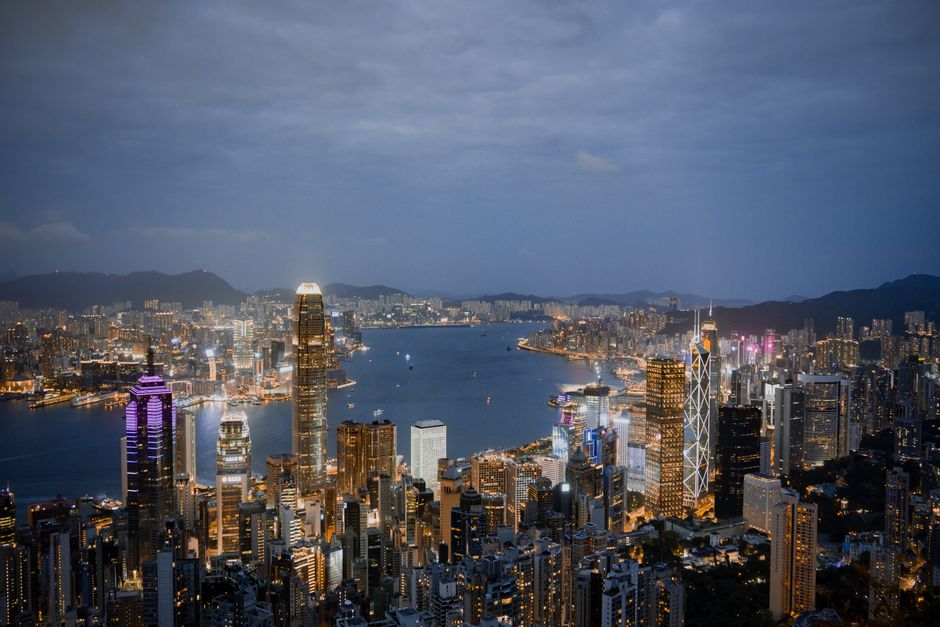
Walk into any dim sum restaurant across Shanghai, Bangkok, or Toronto and you'll spot competence. Walk into Tim Ho Wan in Mongkok or Jing Fong on Wellington Street and you'll understand why Hong Kong remains the unchallenged centre of this tradition. The difference isn't mystical—it's structural, historical, and deeply rooted in how this city has built and maintained its food ecosystem over the past century.
The practical reality: Hong Kong has 287 dim sum establishments operating across the territory, according to data tracked by the Hong Kong Tourism Board in 2025. That density creates competition that simply doesn't exist elsewhere. In London, you might find five decent dim sum venues. In Singapore, perhaps eight. In Hong Kong, you have nearly 300, each fighting for customers by perfecting their craft. When your survival depends on making a shumai dumpling skin thin enough to see through, when your competitor two blocks away is doing the same thing, standards rise faster than they can anywhere else.
The geographic advantage is real. Hong Kong sits at the intersection of Cantonese culinary tradition and 175 years of international trade. That means access to ingredients—from shrimp varieties to bamboo shoots to specialty flours—that other cities import at premium prices. A dim sum chef in Central sourcing the same ingredients costs less and receives fresher stock than a chef in Shanghai or San Francisco doing the equivalent.
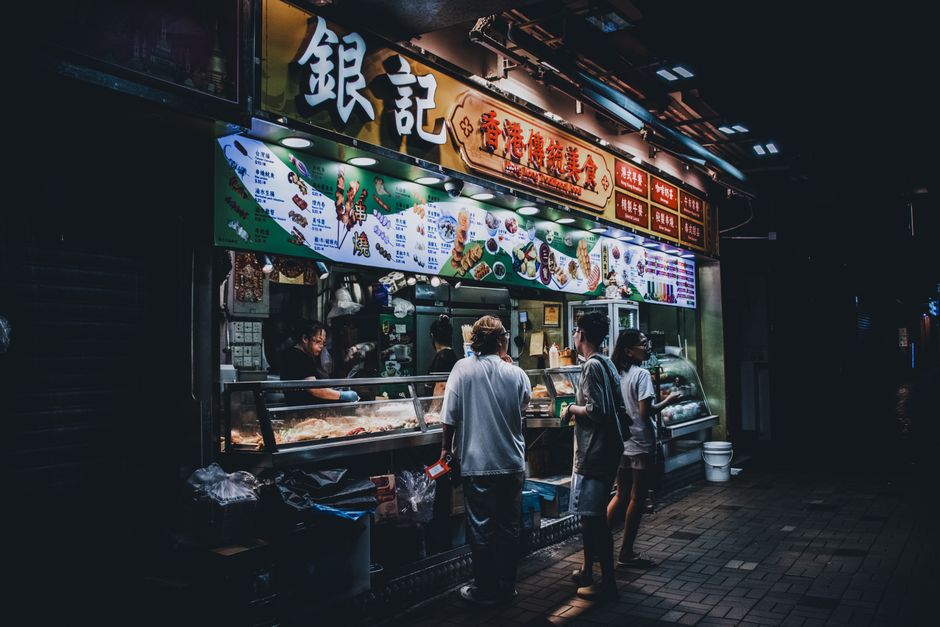
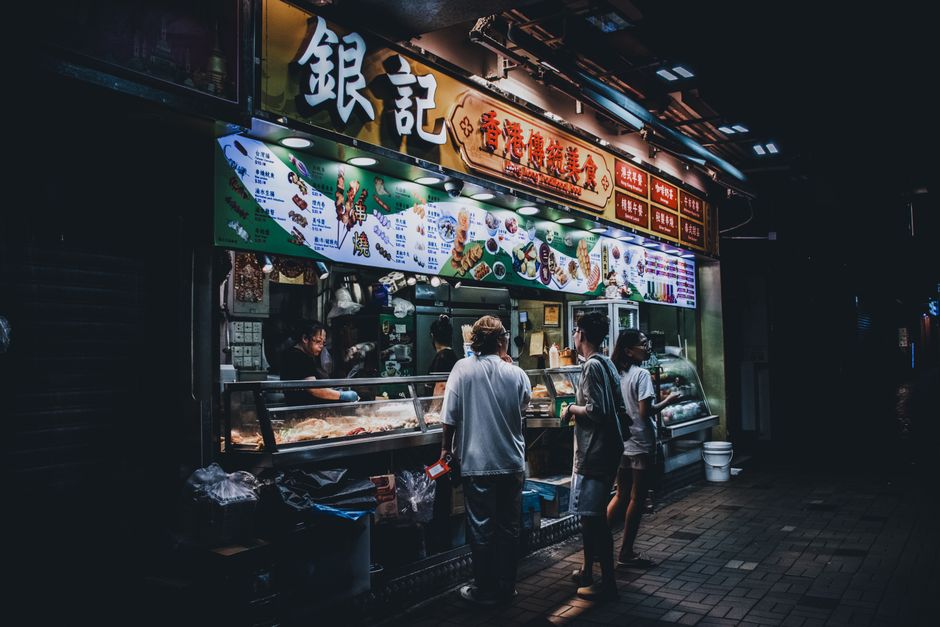
But geography alone doesn't explain the gap. What matters is that Hong Kong's dim sum culture never stopped evolving. Michelin-starred dim sum restaurants like Lung King Heen in Central operate alongside hole-in-the-wall pushcart operations in Sham Shui Po. This creates a kind of culinary democracy where technique flows vertically—high-end chefs train cooks who move to simpler venues, spreading knowledge across price points. A dim sum dumpling at a $3 USD cart in Mong Kok often compares favourably to one at a $15 USD seat in a tourist-focused restaurant in Singapore.
The labour model is different too. Unlike cities where dim sum restaurants struggle to find trained staff, Hong Kong has a continuous pipeline of workers who've grown up eating dim sum daily. A young cook entering the industry here has watched thousands of dumplings being made. That baseline knowledge advantages every single kitchen in the territory.
Pricing tells you something crucial about how this city operates. A full dim sum service at a mid-range establishment like Jing Fong costs between HK$80 and HK$150 per person (roughly $10-19 USD). That same meal at a comparable venue in Vancouver or Toronto runs HK$200-300. The margin allows Hong Kong restaurants to invest in training, ingredients, and waste—the three things that actually separate perfect dim sum from mediocre dim sum.
Price sensitivity also drives innovation differently. When your customer base demands both authenticity and value, you can't coast on heritage. Hong Kong dim sum chefs have spent the last decade experimenting with everything from XO sauce-filled har gow to black garlic shumai to brown butter custard tarts. Other cities copy these innovations. Hong Kong creates them.
If you're planning to eat dim sum in Hong Kong, start with the obvious targets—the Michelin restaurants, the famous pushcart trolleys—but don't stop there. Find a neighbourhood spot in Causeway Bay or Wan Chai where locals actually sit. Order things without English translations on the menu. That's where you'll find the real separation between Hong Kong's dim sum culture and everyone else's approximation of it.

About this article
Published by The Daily Hong Kong
Spread the word
Daily brief
Free, in your inbox before 7am. Weekdays.
Before you go
The day's Hong Kong news in a 2-minute read. Free, weekday mornings.