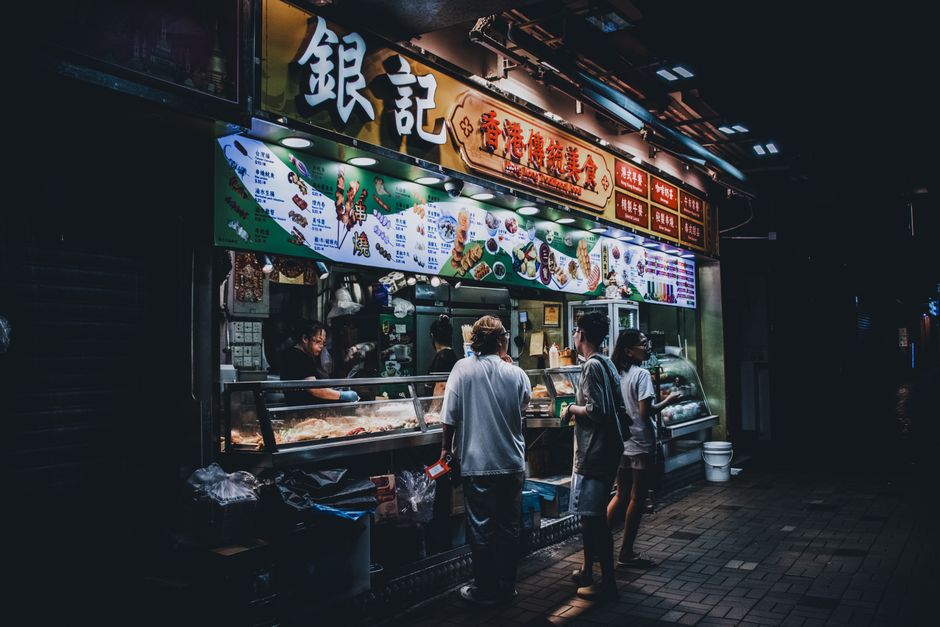
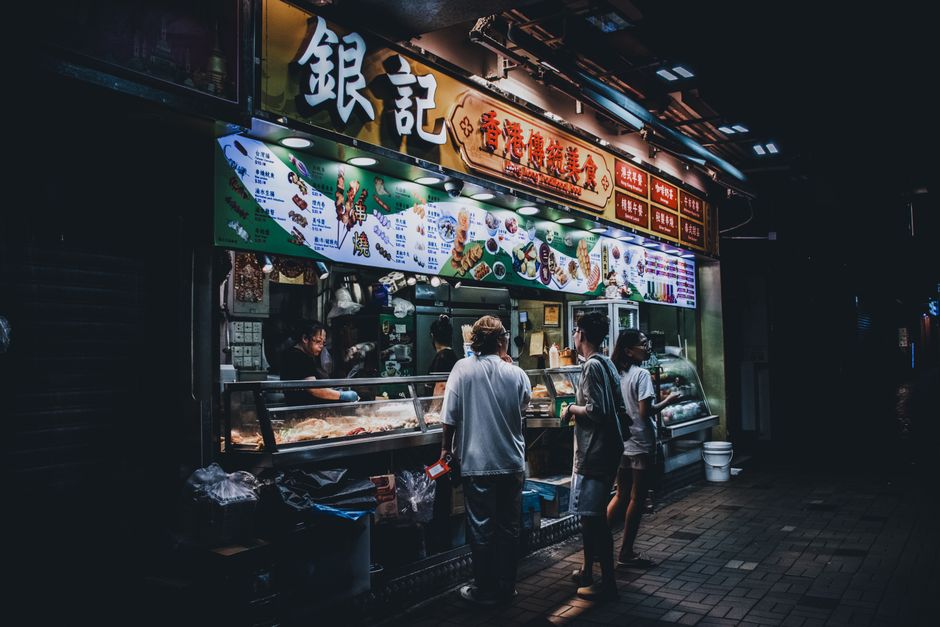
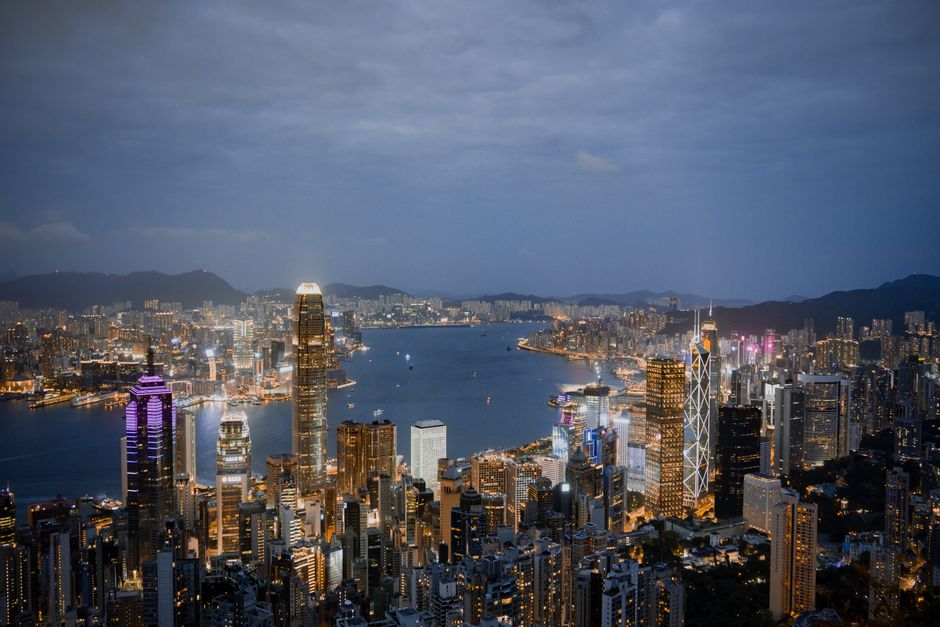
Lin Mei-wan has been pushing a cart laden with bamboo baskets through Luk Yu Tea House on Stanley Street for 34 years. She knows every regular's name, their preferred table, and which dishes they'll order before they sit down. On a Tuesday morning at 10:30 a.m., she wheels past table seven without stopping—the retired accountant there always takes two shumai, a har gow, and chrysanthemum tea. Never variations. Never changes.
This is the real Hong Kong dim sum story. Not the Instagram-friendly fusion spots opening in Central, but the weathered hands, the institutional memory, the human infrastructure that has held this meal together for generations. As chain restaurants multiply and younger Hongkongers choose coffee and avocado toast over yum cha, the people who have built their lives around these trolleys are becoming as endangered as the traditions they serve.
The Hong Kong Tourism Board estimates that dim sum represents a HK$8 billion annual industry, yet staffing shortages have forced several legendary establishments to cut service hours. Luk Yu, founded in 1933 and still operating on its original Stanley Street location in Central, now closes between 5 p.m. and 9:30 p.m.—a gap unthinkable a decade ago. Jing Fong on Wellington Street in Sheung Wan, one of the city's loudest and most chaotic dim sum palaces, has reduced its weekend seatings from four to three per service, according to staff members interviewed last month.
The apprentices nobody wants, and the stories they're forgetting
Walk into any of these places during morning service and you'll see the demographic divide written across the dining room. The carts belong to women in their sixties and seventies. The customers often look the same. A 2024 survey by the Hong Kong Institute of Asia-Pacific Studies found that only 12 percent of dim sum diners were under 35, down from 28 percent in 2010.
The pushcart ladies—and they are almost exclusively women—represent a dying skill set. There are no waiting lists to learn this work. No young people lining up to memorize the 50-plus dishes, their names in Cantonese and English, their ideal serving temperatures, which ones sell faster at 11 a.m. versus 3 p.m. The job requires standing for seven to nine hours, navigating narrow aisles between tables squeezed impossibly close together, managing the precise choreography of offering, wrapping, and collecting payment.
Some establishments are fighting back. Tim Ho Wan, the Michelin-starred chain that started with a single stall at Mong Kok in 2009, rebuilt its business model around a kitchen system rather than carts. It reduced the physical demands but also flattened the human interaction that made dim sum an art. You place a mark on a checklist. Someone brings you food. The magic of the trolley—the eye contact, the negotiation, the performer's flourish when setting down a perfectly steamed basket—vanishes.
Where the ritual still holds
At Maxim's Dim Sum in Causeway Bay, management hired six new dim sum staff members in the past two years, all women between 55 and 68. The company acknowledged in a staff memo from April that "younger workers simply do not apply for these positions." One cart pusher, who has worked at various dim sum houses across Hong Kong for 42 years, told me that the job has become invisible to younger generations. "They don't see it as work," she said. "They see it as old people doing old things."
For anyone wanting to experience dim sum while the pushcarts still exist, the window is closing. Peak service at Luk Yu, Jing Fong, and City Chic in Mong Kok remains the best time to witness the ritual intact—roughly 10 a.m. to 1 p.m. on weekdays, 9 a.m. to 2 p.m. on weekends. Bring cash for the older establishments. Arrive early enough that the carts are still fully loaded. And when a trolley stops at your table, look at the person pushing it. That person is Hong Kong's living history on wheels.