lifestyle
Dim Sum in Hong Kong: The People Stories and Faces That Make This Place Special
Beyond the bustling carts and steamed baskets, it’s the chefs, servers, and patrons who craft the soul of Hong Kong’s dim sum scene.
3 min read
lifestyle
Beyond the bustling carts and steamed baskets, it’s the chefs, servers, and patrons who craft the soul of Hong Kong’s dim sum scene.
3 min read
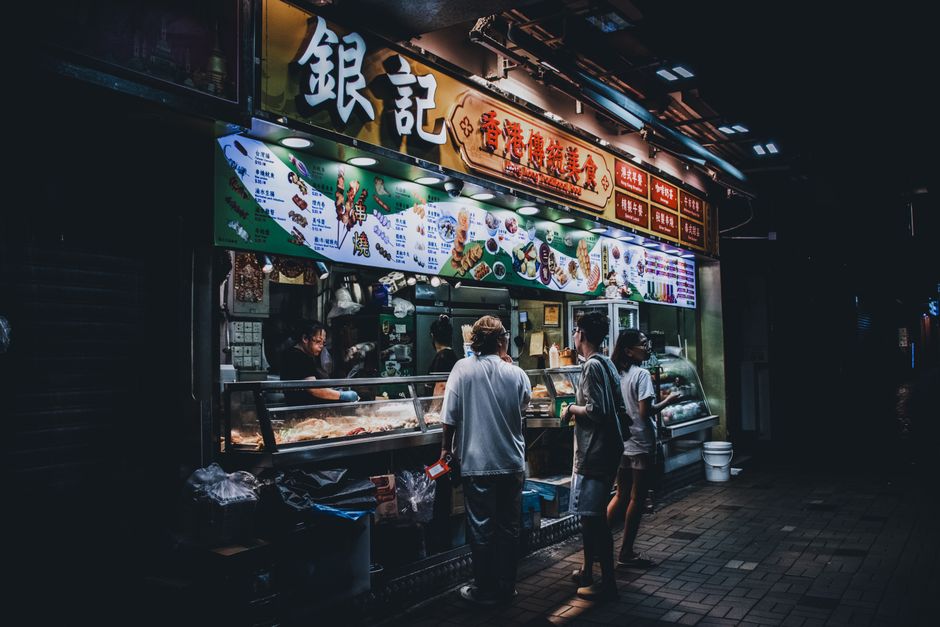
Hong Kong’s dim sum tables are more than places to eat—they are settings where generations converge, flavours evolve, and stories unfold. In 2026, the city’s famed dim sum culture continues to thrive not just because of the food, but because of the people whose lives centre around this culinary tradition.
The significance of dim sum in Hong Kong extends beyond taste buds; it reflects community resilience amid economic shifts and pandemic recoveries. As locals and visitors pour into teahouses and cha chaan tengs, they engage in rituals that have persisted well into the 21st century, anchoring cultural identity amid rapid urban change.
In the heart of Central’s bustling Elgin Street lies Lin Heung Tea House, a dim sum institution dating back to 1926. Proprietor Wong Mei-ling, whose family has operated the venue for three generations, watches over the morning rush as veteran chefs expertly fold har gow shrimp dumplings by hand. “Every dumpling carries a story,” says the restaurant’s floor manager, who has worked there for over 25 years.
Across the harbour in Kowloon’s Sham Shui Po district, the youth-led dim sum incubator, YumCha Collective, opened in late 2024 to champion new voices in traditional cuisine. The collective provides cooking apprenticeships to young chefs from underprivileged backgrounds, blending classic recipes with contemporary twists. Founder Man Kin notes that the initiative helped over 150 trainees last year, many of whom have since taken positions at prominent local eateries.
According to the Hong Kong Tourism Board’s 2025 Food Culture Survey, 68% of interviewed residents consider dim sum an essential part of local identity, with 42% regularly dining out for it at least once a week. Price points vary widely; a classic basket of siu mai typically costs around HKD 45 ($5.75) at traditional venues like Tim Ho Wan in Mong Kok, famed as the “world’s cheapest Michelin-starred restaurant.” In contrast, YumCha Collective’s tasting menus average HKD 280 ($35) per person, reflecting their artisanal approach.
Moreover, demographic shifts hint at evolving preferences: younger diners reportedly favour more experimental offerings, including vegetarian and fusion dim sum, whereas older patrons remain loyal to time-honoured staples. This consumer diversity reflects Hong Kong’s blend of old and new, a dynamic that sustains its culinary landscape.
As summer sets into Hong Kong, dim sum houses are adapting to climate challenges too. Some restaurateurs are investing in enhanced ventilation systems and air-conditioning models tailored for sealed kitchens, given the city’s rising temperatures and recent heatwave alerts.
For those seeking to dive deeper into Hong Kong’s dim sum stories, upcoming community events such as the "Dim Sum Stories and Tastes" festival, set to launch in Kowloon City this September, will feature workshops, chef talks, and tasting sessions spotlighting the city’s leading and emerging dim sum talents.
Whether savouring a basket in a 100-year-old teahouse or discovering a new blend crafted by a young apprentice, each dim sum experience in Hong Kong is inseparable from the faces and narratives that breathe life into this beloved culinary tradition.

About this article
Published by The Daily Hong Kong
Spread the word
Daily brief
Free, in your inbox before 7am. Weekdays.
Before you go
The day's Hong Kong news in a 2-minute read. Free, weekday mornings.