lifestyle
Inside Look at the Neighbourhood Character and Community Vibe Behind Hong Kong’s Best Dim Sum
From Sham Shui Po’s rustic dai pai dong to Sha Tin’s modern tea houses, dim sum scenes reveal the heartbeats of local communities.
3 min read
lifestyle
From Sham Shui Po’s rustic dai pai dong to Sha Tin’s modern tea houses, dim sum scenes reveal the heartbeats of local communities.
3 min read

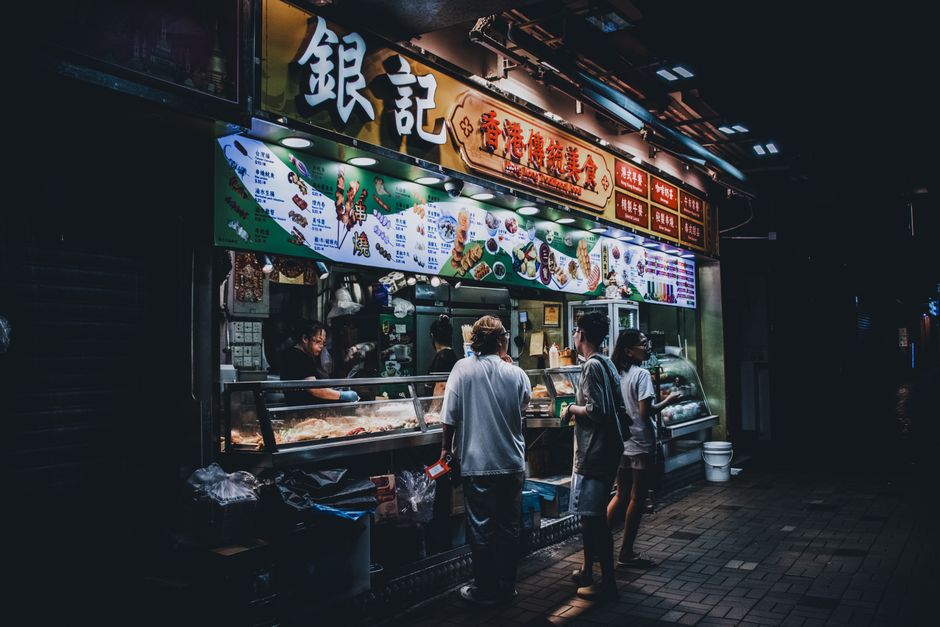
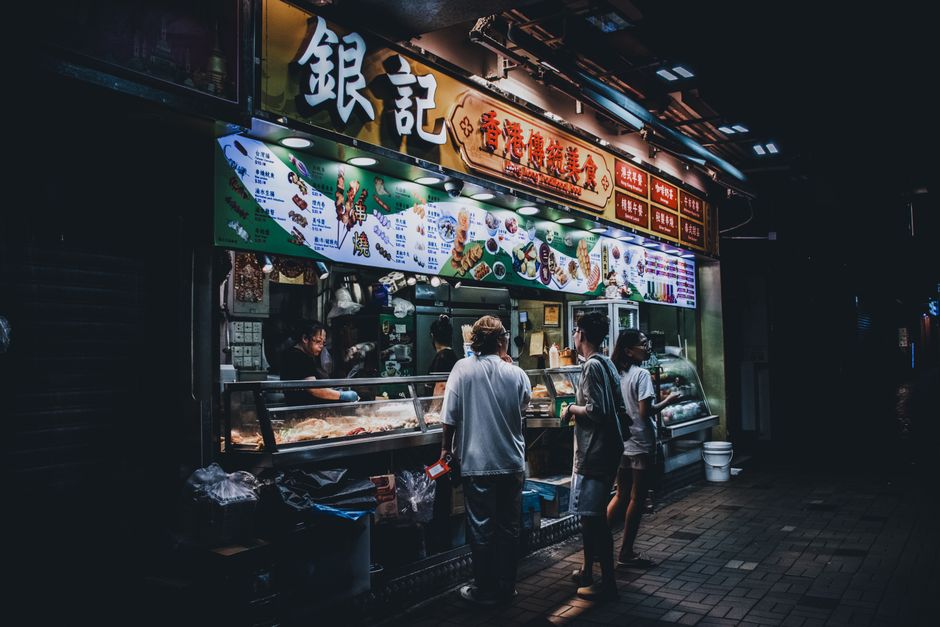
Hong Kong’s revered dim sum culture is far from monolithic; it pulses differently across the city’s varied districts, reflecting neighbourhood character and community ties. In Sham Shui Po, modest dai pai dongs offer a food experience steeped in decades of history, while in Sha Tin, contemporary tea houses draw multi-generational families in a more polished setting. Understanding these subtle shifts reveals why dim sum remains an essential social tradition in a city grappling with rapid change.
Hong Kong’s dim sum scene is often celebrated for culinary quality, but what has taken on fresh urgency is the role these eateries play in preserving community identity amid urban redevelopment pressures. With gentrification accelerating in many districts, local residents and vendors alike are striving to maintain their cultural touchstones. Sham Shui Po, for example, hosts some of the city’s most authentic and affordable dim sum stalls, such as Tim Ho Wan’s original outlet on Fuk Wing Street, which opened in 2009 and sparked international attention with its Michelin star recognition.
In contrast, Sha Tin’s Times Square Plaza area boasts modern establishments like Tea Wood, which offers craft dim sum alongside specialty teas in a family-friendly atmosphere. This shift reflects the district’s newer residential makeup and the rising demand for more upscale dining experiences without sacrificing conviviality—a core element of dim sum culture.
Despite concerns over rising costs, dim sum remains widely accessible. According to figures from the Hong Kong Tourism Board, over 65% of local households frequented dim sum restaurants at least once a month in 2025, signaling sustained community engagement. Prices vary notably: a basket of classic siu mai or har gow can be found at traditional locations in Sham Shui Po for HK$18 to HK$25 per piece, whereas in Sha Tin’s newer venues, prices often range from HK$28 to HK$40 for similar items.
Moreover, government initiatives like the "Local Cuisine Support Scheme," launched in 2024, have helped small food operators renovate premises while preserving affordability. This support is vital, especially in parts of Kowloon and the New Territories where local diners are keen to keep dim sum traditions alive against mounting economic pressures.
As Hong Kong approaches the traditional Yu Lan Festival in August—an occasion often marked by communal meals including dim sum—expect neighbourhood dim sum venues to once again become hotspots for cross-generational gatherings. For locals and visitors keen to experience dim sum beyond the usual hotspots, exploring eateries in Sham Shui Po’s Apliu Street or venturing to Sha Tin’s Pai Tau Village can yield rewarding insights into how community spirit flavors the dining table.
For those planning to sample dim sum this summer, mid-week mornings in these neighbourhoods typically offer less crowded atmospheres and better seating availability. Many diners recommend arriving early—between 9:00 and 10:30 a.m.—to enjoy freshly steamed dishes and the warm hum of local chatter that defines authentic dim sum culture in Hong Kong.


About this article
Published by The Daily Hong Kong
Spread the word
Daily brief
Free, in your inbox before 7am. Weekdays.
Before you go
The day's Hong Kong news in a 2-minute read. Free, weekday mornings.