lifestyle
What Makes Hong Kong’s Dim Sum Scene Uniquely Irreplaceable in the World
From steaming bamboo baskets to bustling teahouses, Hong Kong offers dim sum experiences unmatched by any other city globally.
4 min read
lifestyle
From steaming bamboo baskets to bustling teahouses, Hong Kong offers dim sum experiences unmatched by any other city globally.
4 min read

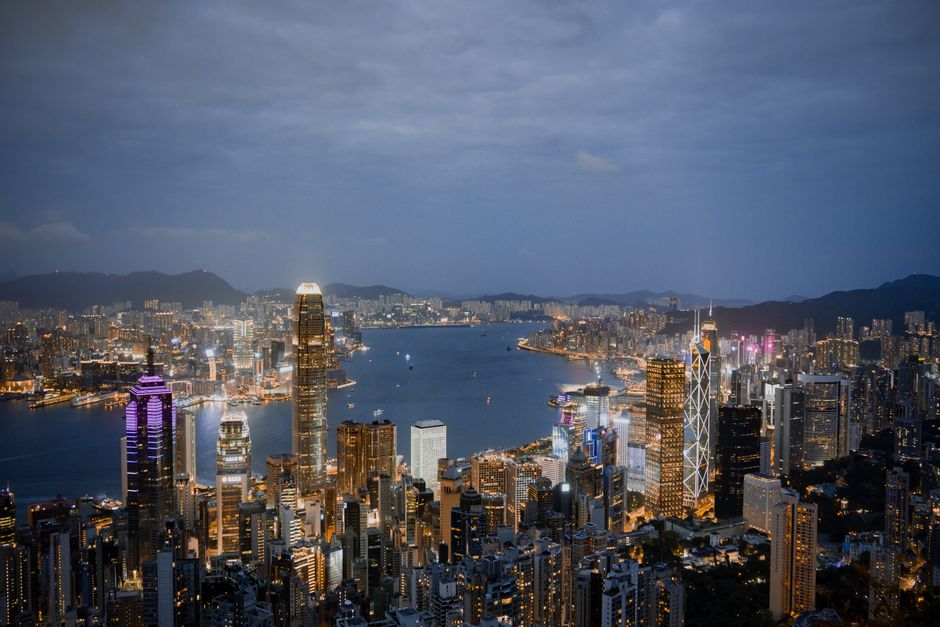
Hong Kong remains the undisputed epicenter of dim sum culture, distinguished by its unparalleled variety, authenticity, and traditions that have been meticulously preserved and adapted over centuries. While cities worldwide have embraced dim sum, few capture the essence of this culinary art like Hong Kong does, making it a vital part of the city’s identity and hospitality scene.
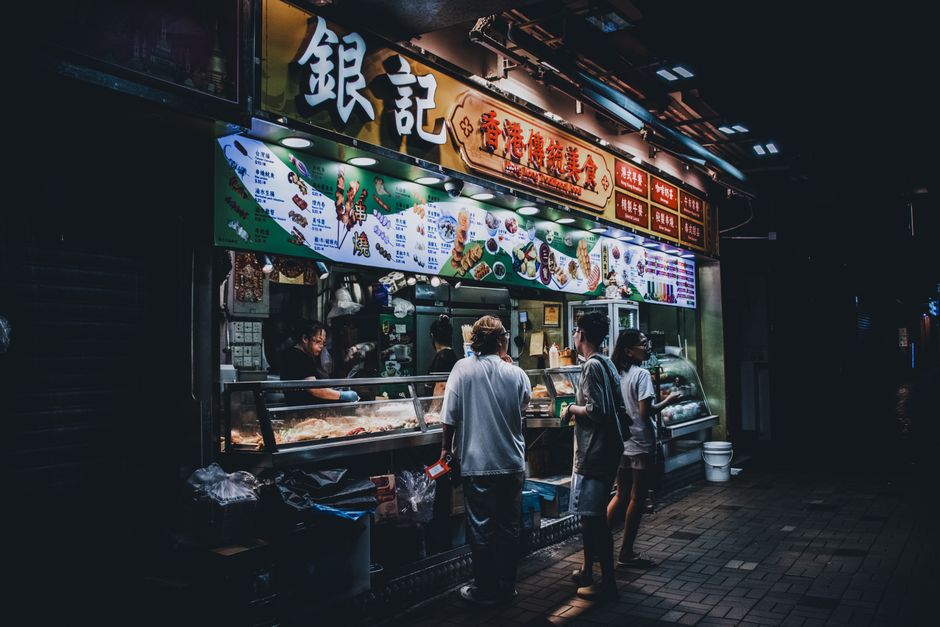
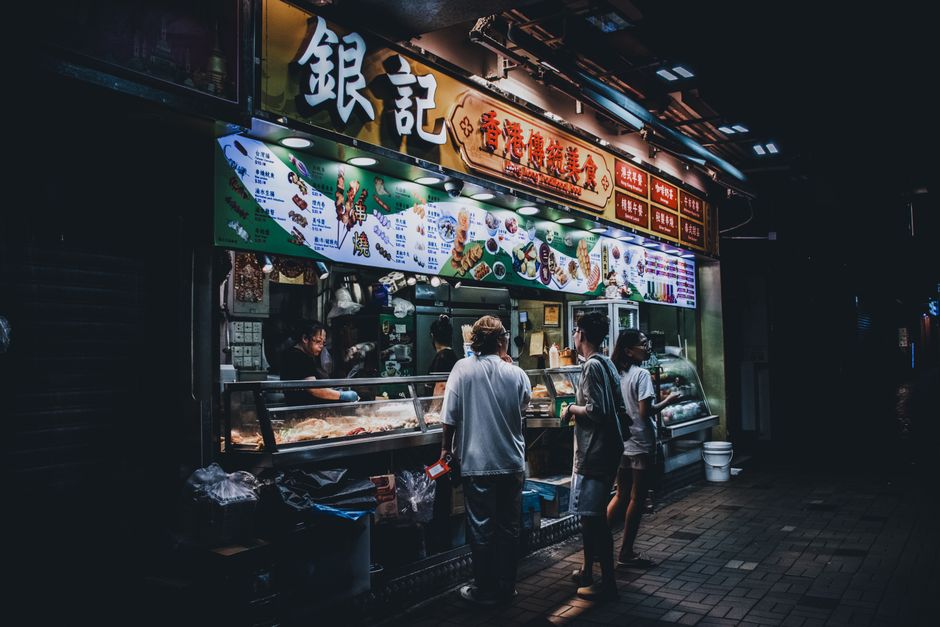
As Hong Kong navigates its role as a global financial hub, the city simultaneously anchors itself in deep-rooted culinary traditions. This duality is especially evident in dim sum culture, where historic teahouses coexist alongside trendy new eateries. In 2026, with the gradual return of international tourism post-pandemic, the spotlight has returned to Hong Kong’s famed food streets, such as Sai Ying Pun’s bustling Centre Street and the famed Sham Shui Po neighborhood, which both boast dim sum landmarks that attract locals and visitors alike.
Longstanding institutions like Lin Heung Tea House on Wellington Street have continued to serve hundreds of traditional Cantonese dim sum dishes daily, preserving the ritualistic gong hei (celebratory toast) and shared dining atmosphere. Meanwhile, newer players like Mott 32 in Central incorporate premium ingredients into innovative dim sum, pushing boundaries while respecting heritage. Together, these venues illustrate the spectrum of Hong Kong’s culinary landscape.
The average dim sum set at Lin Heung Tea House remains affordable by city standards, with dishes priced between HK$20 and HK$50 (US$2.50 to US$6.50), allowing broad access to the experience that draws over 1,000 patrons daily during peak hours. According to the Hong Kong Tourism Board’s 2025 Food Culture Report, over 70% of visitors name dim sum as a key reason to visit, highlighting its significance in the city’s global allure.
The dim sum market in Hong Kong is estimated to generate close to HK$4 billion annually, a figure driven by both resident demand and international culinary tourism. The Hong Kong Foodie Passport initiative, launched in late 2024, has further boosted engagement by guiding visitors to authentic local spots and sharing stories behind famous dim sum offerings, helping maintain cultural transmission amidst modernization.
What sets Hong Kong apart further is its dedication to freshness and speed—dim sum here is crafted with precision and served almost immediately after steaming. Unlike many overseas dim sum restaurants where dishes often lose crispness or arrive en masse, Hong Kong’s teahouses maintain a dance of steamed carts and delicate timing, ensuring an experience both tactile and flavorful.
Moreover, Hong Kong's small, vibrant factories and artisanal suppliers in districts like Kwun Tong contribute to the availability of superior ingredients such as locally sourced shrimp and bespoke dough recipes, which underpin the authenticity of the final product.
For travelers and locals alike, the recommendation is to embrace the full dim sum ritual—not just the food but the tea pairing, the clatter of pushcarts, and the lively communal atmosphere. Beyond Lin Heung and Mott 32, Jiuhing Yummy in Tai Hang offers an emerging scene for refined, modern takes, while Tim Ho Wan in Mong Kok remains an affordable Michelin-starred option known for its baked buns.
As the tourism landscape continues to recover in late 2026, expect more initiatives by the Hong Kong Tourism Board to promote culinary trails focusing on dim sum and expand collaborations with local chefs to preserve this culinary heritage. Dining out for dim sum, a practice deeply embedded into the rhythms of Hong Kong life, is more than a meal; it remains a social glue binding generations and a sensory emblem of the city’s enduring soul.
Visitors planning to indulge in dim sum in Hong Kong should allocate ample time for the experience, preferably before lunch peak hours around 11 a.m., to avoid waits at the most iconic venues. Exploring beyond central districts to neighborhoods like Sham Shui Po or To Kwa Wan can reveal hidden gems serving authentic dim sum at friendly prices.

About this article
Published by The Daily Hong Kong
Spread the word
Daily brief
Free, in your inbox before 7am. Weekdays.
Before you go
The day's Hong Kong news in a 2-minute read. Free, weekday mornings.