lifestyle
Why Hong Kong's Dim Sum Scene Stands Apart Globally
From traditional teahouses to innovative culinary hubs, Hong Kong’s dim sum distinguishes itself through a unique blend of heritage, technique, and urban culture.
3 min read
lifestyle
From traditional teahouses to innovative culinary hubs, Hong Kong’s dim sum distinguishes itself through a unique blend of heritage, technique, and urban culture.
3 min read
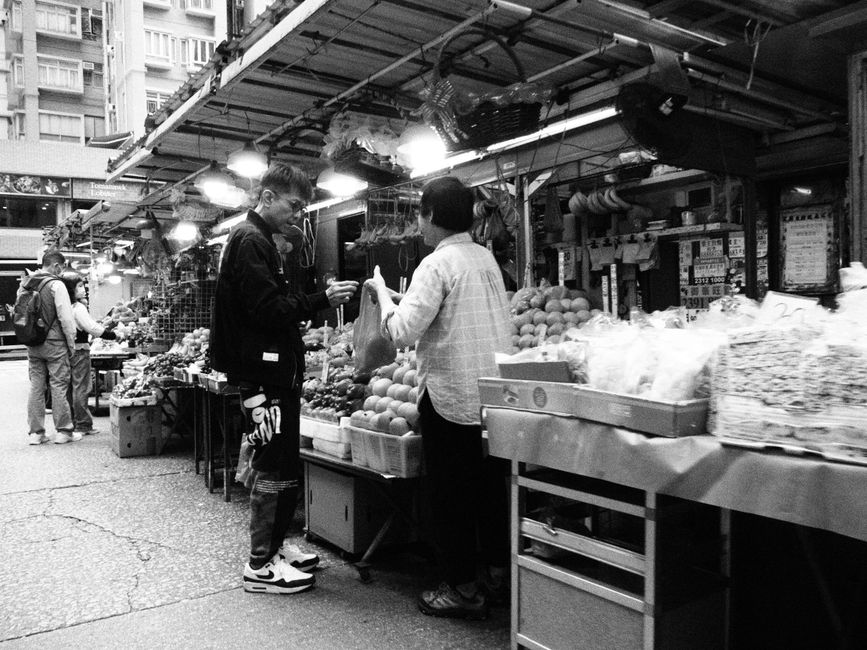
Hong Kong continues to assert its status as the dim sum capital of the world, drawing locals and tourists alike to its bustling teahouses and modern eateries. What makes this city’s dim sum experience unique is not just the diversity and quality of dishes but the deep historical and cultural roots embedded into its culinary landscape.
As the city recovers from pandemic disruptions and global travel resumes, more people are returning to classic Cantonese dining customs centered around dim sum. This resurgence is anchored by Hong Kong’s resilient food culture and its role as a global culinary destination. With over 12.8 million visitors expected in 2026, many seek out the city’s famed dim sum culture as part of their authentic Hong Kong experience.
Queen's Road Central and Wan Chai remain iconic districts where traditional dim sum eateries operate alongside contemporary brunch spots redefining the genre. In Central, the renowned Lin Heung Tea House, established in 1928, continues to serve classic custard tarts and steamed dumplings, preserving century-old recipes and the quintessential bamboo steamer baskets. Nearby in Wan Chai, establishments like Tim Ho Wan, once a humble street food vendor and now a Michelin-starred chain, exemplify the city’s successful balance of affordability and excellence. These places reflect Hong Kong’s blend of old-world charm and modern culinary prowess.
In addition to these famous venues, the Hong Kong Foodie Festival this September will spotlight emerging chefs who fuse traditional dim sum techniques with global flavors, reinforcing the city’s ongoing influence on dim sum evolution.
According to the Hong Kong Tourism Board, dim sum restaurants number around 2,500 across the city, contributing billions to the local economy annually. The average price for a standard basket of dim sum ranges from HK$28 to HK$58, making it accessible across all budgets. Studies conducted by the Hong Kong Culinary Education and Research Institute highlight that while many international cities offer dim sum, none match Hong Kong’s daily volume—estimated at over 1.5 million dim sum portions served on weekdays alone.
The city’s dense population and tight-knit dining culture also support the traditional 'yum cha' social ritual, where friends and families gather for leisurely meals that can last several hours—a pattern less common in other metropolitan areas.
The unique combination of affordability, authenticity, constant innovation, and community experience sets Hong Kong apart in the global culinary scene.
For visitors eager to dive into authentic dim sum culture, aim for an early start. Popular spots like Lin Heung can be packed from 10 a.m., and weekday visits can avoid weekend crowds. Exploring less tourist-heavy neighborhoods like Sham Shui Po may also yield hidden gems offering creative twists on old favorites. With the city’s food landscape constantly evolving, expect new dim sum styles blending international influences to emerge, keeping Hong Kong at the forefront of this beloved Cantonese tradition.

About this article
Published by The Daily Hong Kong
Spread the word
Daily brief
Free, in your inbox before 7am. Weekdays.
Before you go
The day's Hong Kong news in a 2-minute read. Free, weekday mornings.