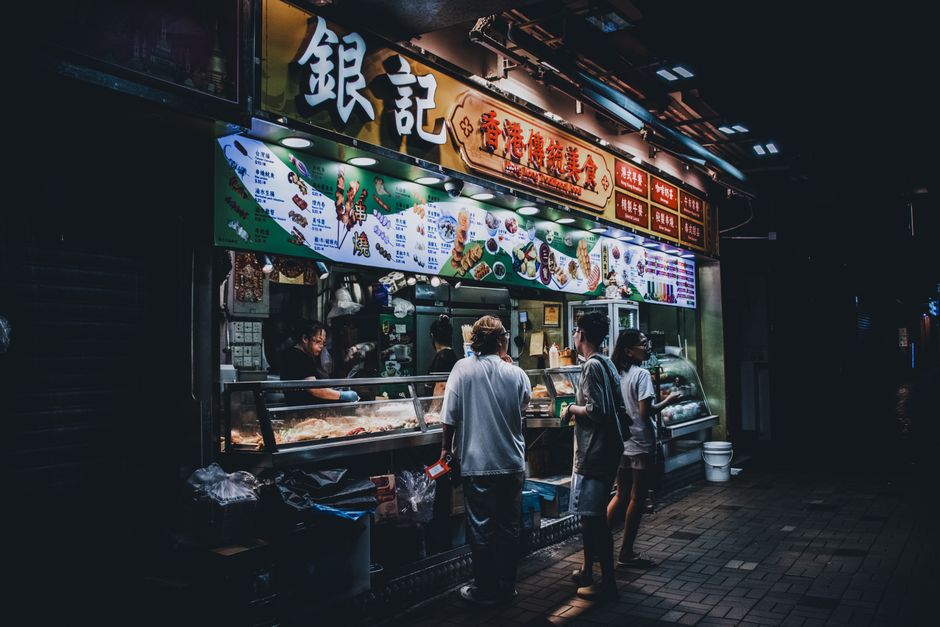
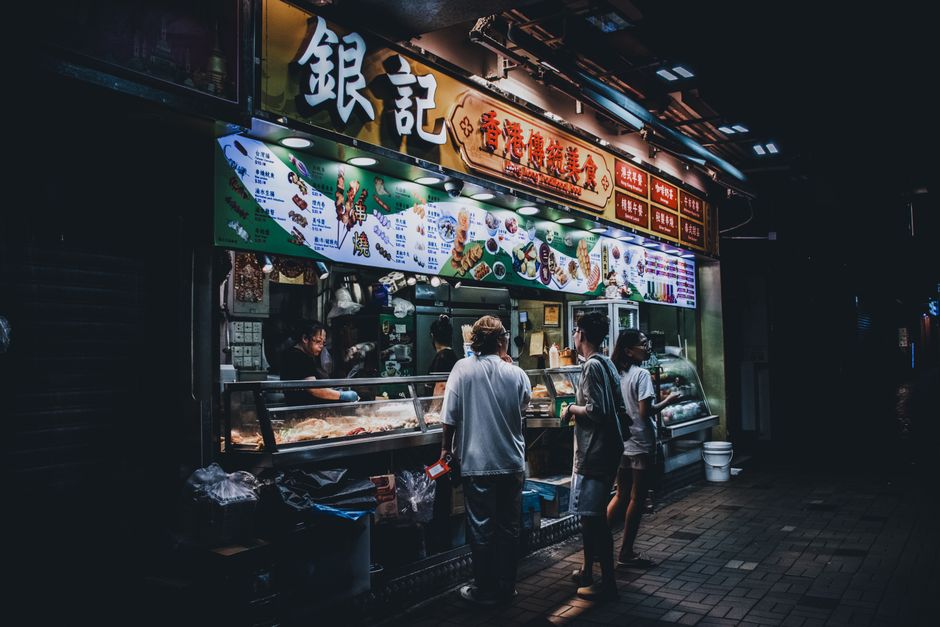
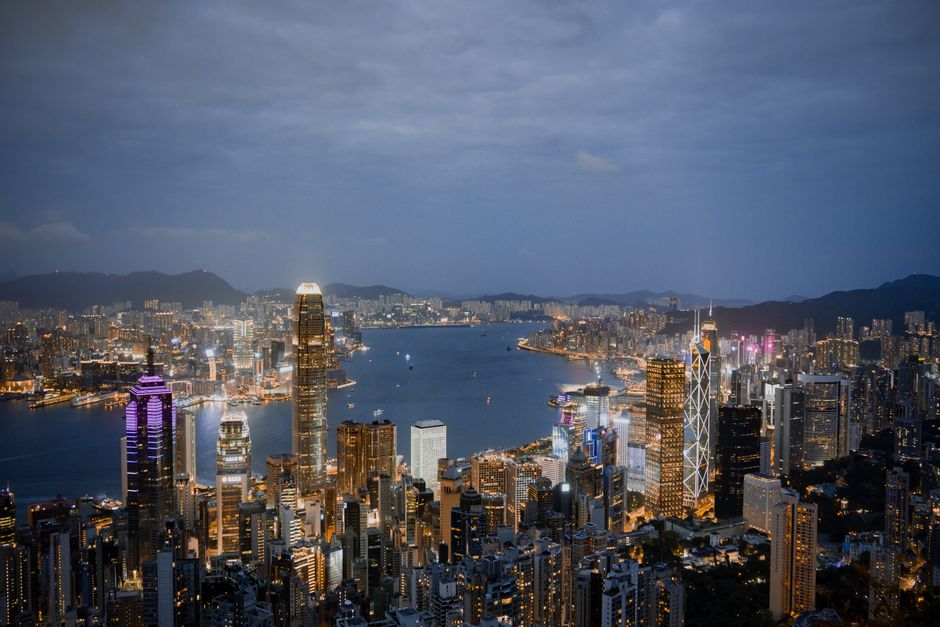
Hong Kong’s dim sum culture is undergoing a notable transformation, blending heritage with innovation to appeal to a new generation of locals. In the past year, popular venues like Lin Heung Tea House in Central and Tim Ho Wan in Sham Shui Po have introduced updated menus and enhanced dining experiences, resulting in a 15% increase in local patronage according to the Hong Kong Tourism Board.
This shift comes amid the broader recovery of Hong Kong’s hospitality sector post-pandemic and the rising demand for more diverse and healthier dining options. With overseas travel still limited for many, locals have rediscovered their city’s culinary treasures, seeking familiar comforts alongside new tastes. Additionally, younger residents are driving demand for modern twists on traditional dishes, prompting dim sum operators to innovate without losing authenticity.
Classic venues with a modern touch
Lin Heung Tea House, established in 1926 on Wellington Street, Central, has long been a dim sum icon. Recently, it introduced a digital queue system to reduce waiting times—one of the long-time complaints by customers—and subtle menu updates featuring seasonal and locally sourced ingredients. The tea selection was expanded to include specialty blends from Hong Kong’s New Territories, appealing to health-conscious diners.
Meanwhile, Tim Ho Wan, often dubbed the world’s cheapest Michelin-starred dim sum restaurant, expanded its Sham Shui Po location in April. The new space features eco-friendly design elements and a revamped menu incorporating plant-based dim sum options like mushroom siu mai and vegetable dumplings. Hong Kong Food Lovers Association president Chan Wai-man notes this move “reflects evolving tastes and a stronger local interest in sustainability.”
Data highlights dim sum's evolving popularity
According to a survey conducted by the Hong Kong Culinary Institute in June 2026, 62% of residents under 40 prefer dim sum venues that offer a mix of traditional and contemporary dishes. Prices have seen moderate adjustments too, with an average basket rising from HK$90 to HK$110 per person over the past two years, largely due to higher ingredient costs and the inclusion of premium items. Still, dim sum remains an affordable dining option compared to Western-style lunches and dinners.
Furthermore, a recent report from the Hong Kong Food & Beverage Owners Federation shows that the city’s 900 dim sum outlets saw a 20% increase in local weekday visitors in the first half of 2026 compared to the same period last year. This indicates that dim sum is no longer reserved for weekends or special occasions but is increasingly part of daily social life.
For those wanting to experience the latest in dim sum, experts recommend visiting established districts like Sham Shui Po and Central, where traditional and modern styles coexist. Reservations have become more common due to popularity, so planning ahead is advisable. For a different taste, locals are also exploring new boutique dim sum cafes in neighborhoods like Sheung Wan and Tsim Sha Tsui, which blend artful plating with Cantonese classics.