lifestyle
Dim Sum Beyond the Dishes: The People Stories That Define Hong Kong’s Culinary Heart
Behind every steaming basket of siu mai and har gow are the faces and histories that make Hong Kong’s dim sum scene uniquely vibrant.
3 min read
lifestyle
Behind every steaming basket of siu mai and har gow are the faces and histories that make Hong Kong’s dim sum scene uniquely vibrant.
3 min read
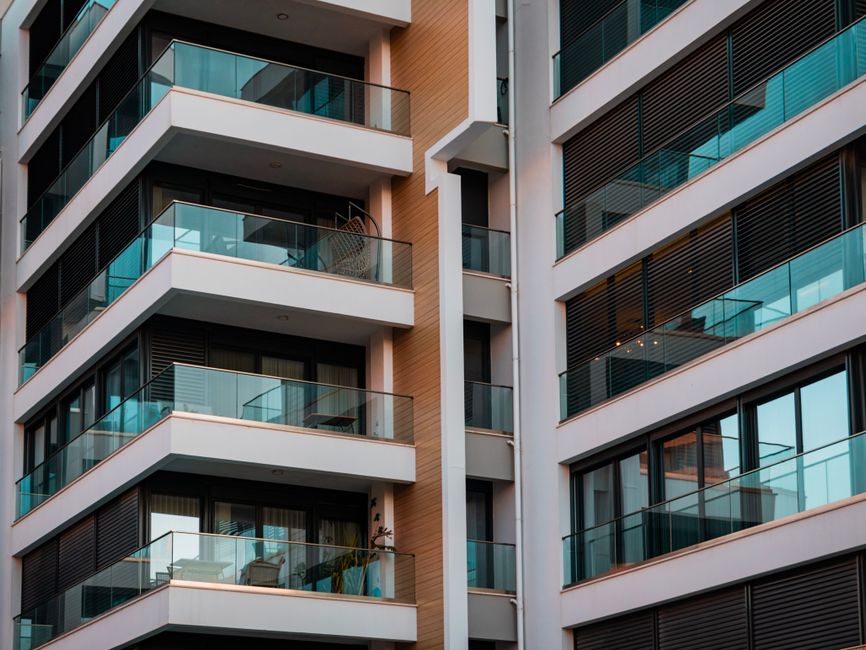
Hong Kong’s dim sum is more than an iconic culinary tradition; it is a living tapestry woven by generations of chefs, servers, and family-run teahouses who keep the city’s rich food culture thriving. As the bustling city continues to evolve, it is the personal stories behind these smoky bamboo steamers that anchor dim sum as a symbol of Hong Kong identity.
In 2026, when food scenes worldwide face challenges from globalization, economic pressures, and labor shortages, Hong Kong’s dim sum remains resilient because of the dedication and heritage carried by its culinary custodians. The rise of trendy eateries and international influences has made preserving authentic dim sum craft not just a matter of taste but of cultural preservation.
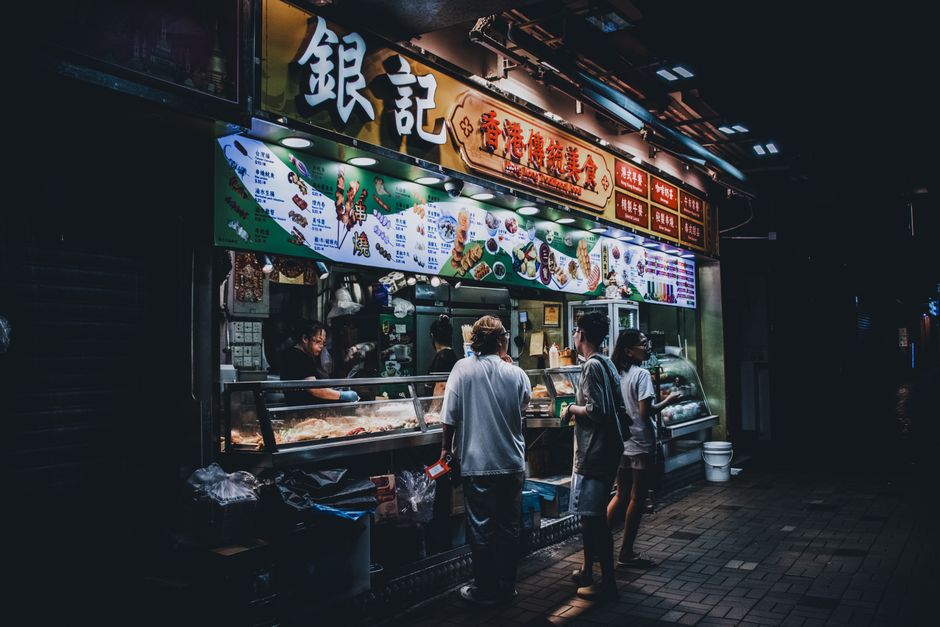
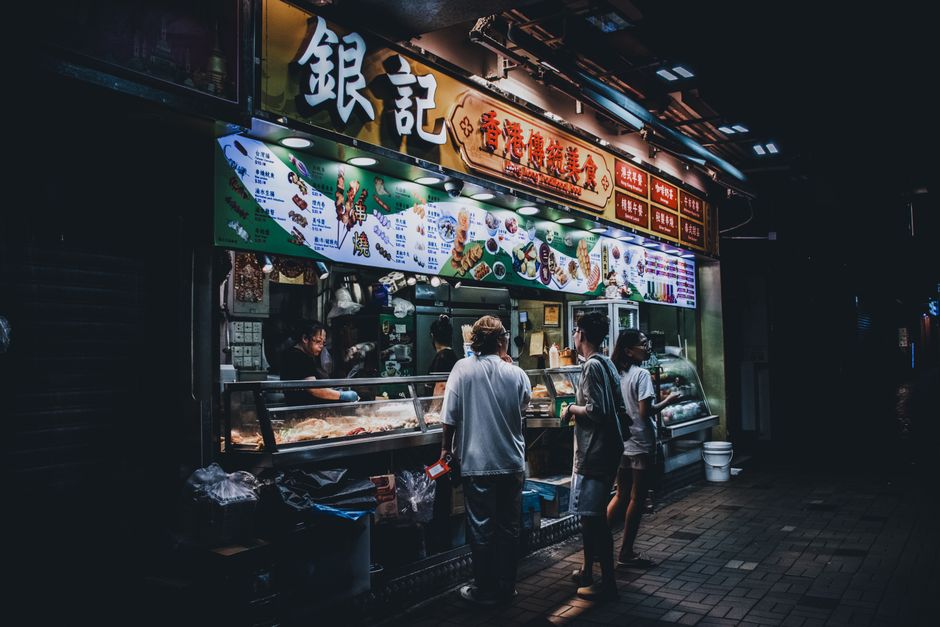
Take Pei Ho Street in Sham Shui Po, an area famed for its old-school dim sum dens where prices remain fair and the atmosphere is steeped in decades-old memories. At Lin Heung Tea House, operating since 1926, servers wheel out carts laden with steaming dumplings and rice rolls, calling to regulars who have been coming for thirty or forty years. The patrons and workers here often form close-knit communities, illustrating how dim sum houses function as social hubs beyond just dining venues.
In the heart of Kowloon City, home to a vibrant Vietnamese and Thai immigrant community, the dim sum scene reflects multicultural influence. At Tai Ping Koon Restaurant, founded in 1860, chefs have embraced subtle innovations while honoring traditional recipes. Staff members, many of whom come from families with decades of culinary experience in Guangdong province, take pride in mentoring the next generation, ensuring continuity of skills like hand-folding translucent dumplings and crafting crispy taro puffs.
According to a 2025 survey conducted by the Hong Kong Tourism Board, approximately 65% of local residents dine at a dim sum restaurant at least once a month, underscoring the food’s central place in everyday life. Price points at traditional establishments like Lin Heung range from HK$25 for a basket of shrimp dumplings to around HK$50 for specialty items, making dim sum an accessible luxury for many. At Tai Ping Koon, classic dishes typically cost HK$40 to HK$60 per serving but come with the added value of time-honoured recipes and a communal dining experience.
The city also supports dim sum artisans through programs like the Hong Kong Gastronomy Heritage Initiative, launched in 2024 to preserve culinary techniques and oral histories. These efforts highlight the importance of the people behind the food as much as the dishes themselves.
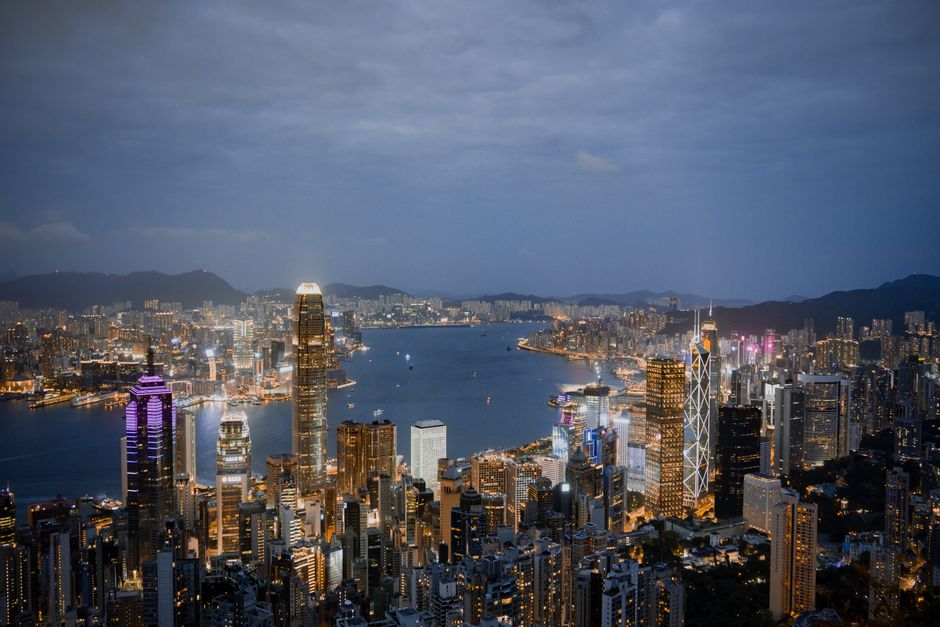
Hong Kong’s dim sum scene remains a living link between past and present, shaped by the deft hands stirring bamboo steamers and the stories shared over jasmine tea. For both locals and visitors aiming to experience authentic flavors and heartfelt service, exploring family-owned eateries along Pei Ho Street or the historic venues in Kowloon City offers a unique glimpse into the enduring human element behind every bite.

About this article
Published by The Daily Hong Kong
Spread the word
Daily brief
Free, in your inbox before 7am. Weekdays.
Before you go
The day's Hong Kong news in a 2-minute read. Free, weekday mornings.