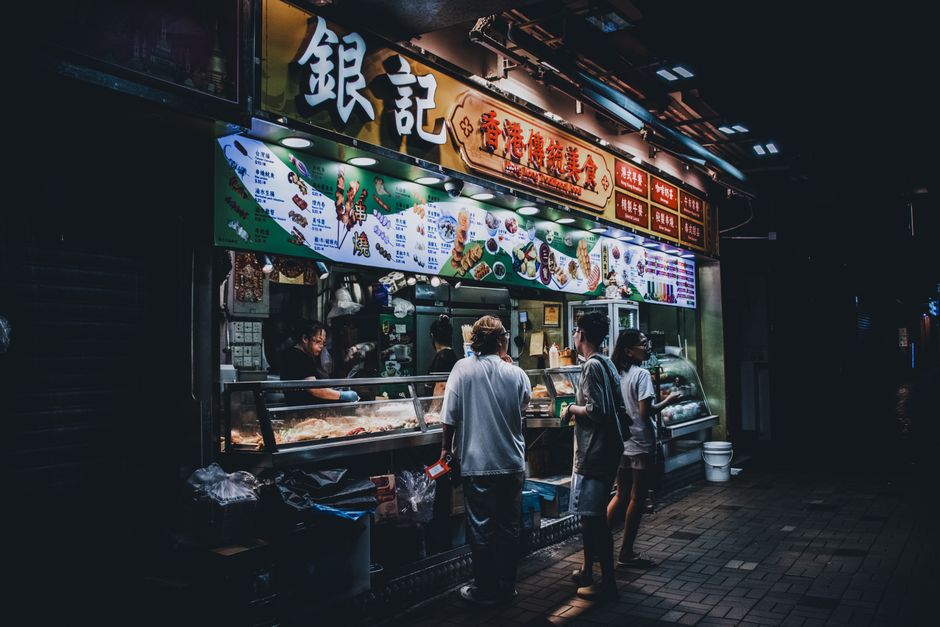
The clatter of stainless-steel carts has largely vanished from the dining rooms of Central, replaced by QR-code ordering systems and kitchens emphasizing hyper-seasonal sourcing. For the average Hong Konger, the Saturday morning dim sum run is no longer just about volume or nostalgia; it is a tactical exercise in finding high-quality, sustainable ingredients amidst a city that is moving faster than ever.
The Shift to the Micro-Kitchen
Legacy establishments like the century-old Lin Heung Tea House have struggled to maintain their footing as labor costs rise and food safety regulations tighten. In their wake, a new wave of "boutique" dim sum houses has claimed the spotlight. Places like Duddell’s in the Shanghai Tang Mansion and the Michelin-starred Lung King Heen at the Four Seasons have set a standard for precision that neighborhood spots are now rushing to emulate. It is common now to see menus that explicitly list the source of the shrimp—typically farmed in cleaner, monitored coastal waters—and the origin of the heirloom pork used in *siu mai*.
This pivot toward quality over quantity is a response to a demographic shift. Younger diners, many of whom have returned from studying in London or San Francisco, are demanding transparency. They are willing to pay $88 HKD for a single basket of truffle-infused har gow, provided the sourcing credentials are transparent. The days of indiscriminate snacking are being supplanted by a "farm-to-table" ethos that would have been unthinkable in the chaotic, high-turnover tea houses of the 1990s.
Economics and Evolution
Data from the Hong Kong Catering Industry Association suggests that while total dim sum sales remain robust, the average bill size has increased by roughly 14% over the last eighteen months, largely driven by these premium ingredient costs. Inflation has forced many mid-tier operators in Mong Kok and Causeway Bay to either close or drastically reform their business models. Many have opted for the latter, reducing their menu density from 80 items to a focused list of 25, allowing for higher consistency and less food waste.
This evolution also reflects the city's broader economic adjustment. With the cooling of the luxury retail sector, landlords in areas like Sheung Wan have been more amenable to signing long-term leases with independent, chef-driven dim sum concepts. These smaller operators often bypass the traditional push-cart model entirely, utilizing a made-to-order system that ensures the *cheung fun* arrives at the table within six minutes of leaving the steamer. This minimizes the risk of overcooked rice rolls, a common complaint in the traditional, high-volume banquet halls.
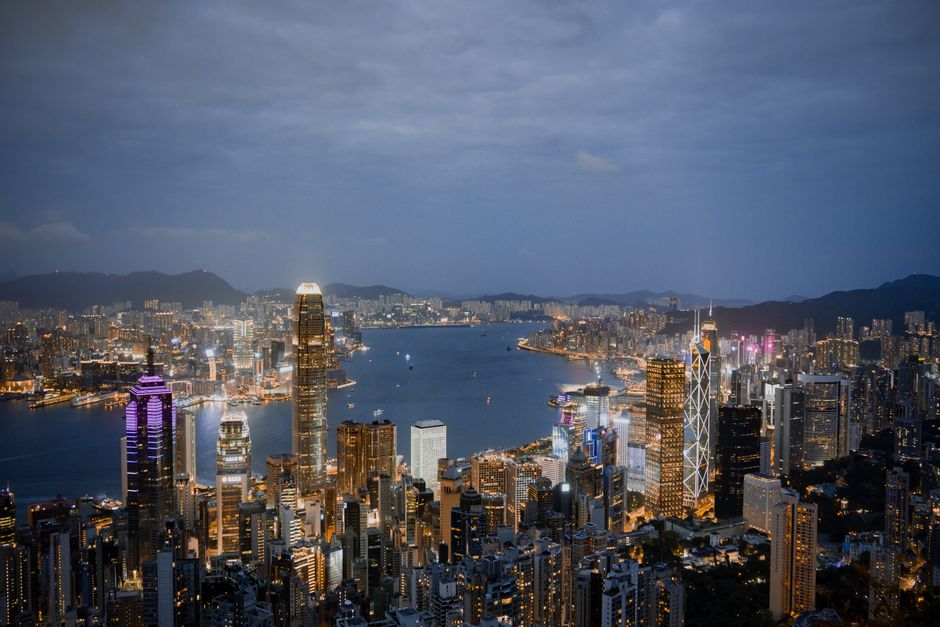
If you are planning your next Sunday excursion, look for the establishments displaying the "Quality Tourism Services" scheme badge, which has recently updated its criteria to include sustainable sourcing metrics. Expect to pay a premium for dinner-hour dim sum service, as more restaurants move away from the traditional 3:00 PM cutoff to capture the lucrative after-work crowd. For the best experience, avoid the busiest tourist traps near Victoria Harbour and head deep into the residential pockets of Sai Ying Pun, where the focus remains on the craft of the dough rather than the view of the skyline.