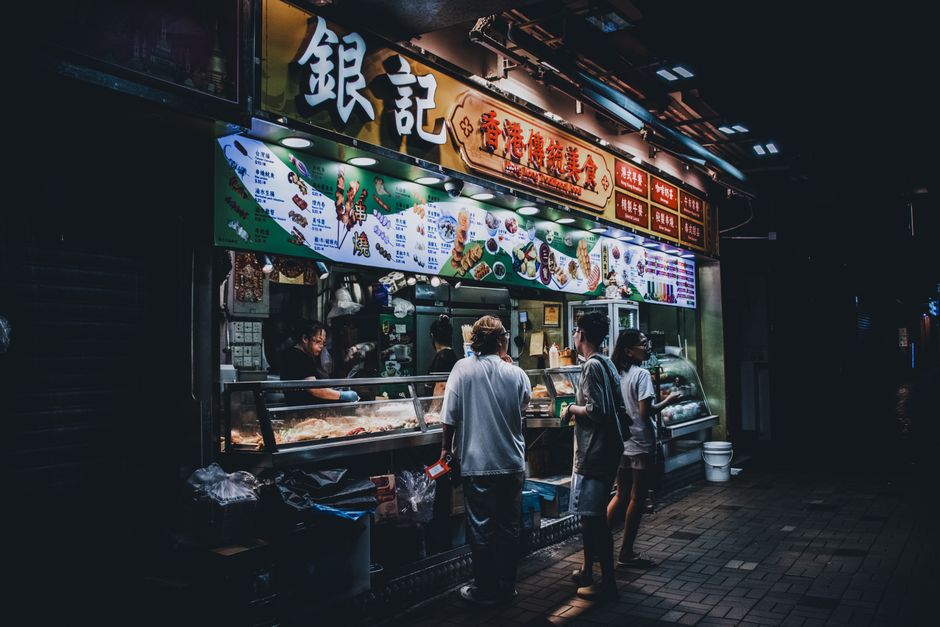
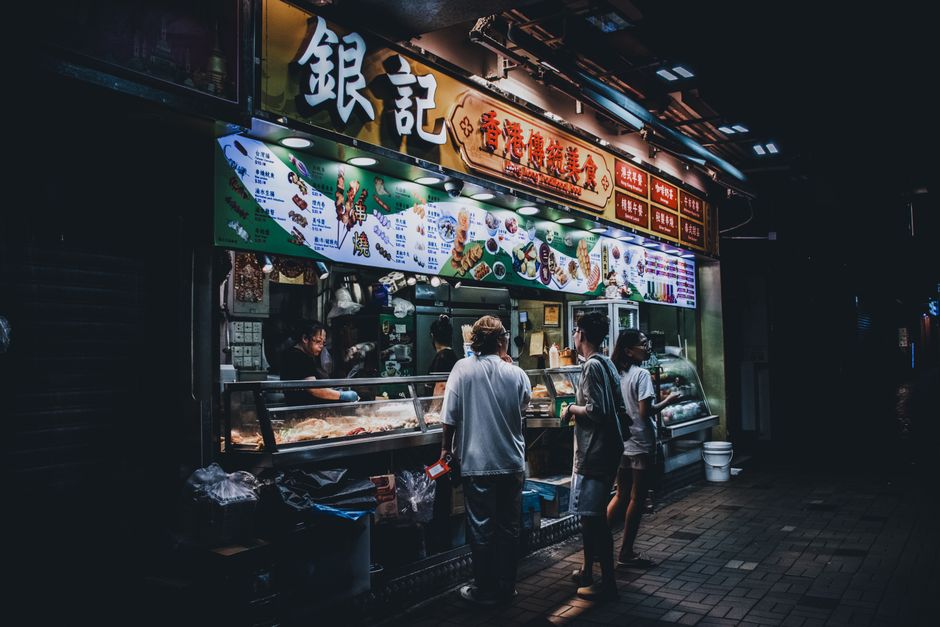
On a busy Thursday morning in Sham Shui Po, the clang of woks and the scent of steaming baskets fill the cramped kitchen of Tim Ho Wan’s original outlet, where staff move with practiced precision. Behind the rushed service and neatly folded har gau are generations of cooks whose livelihoods and family traditions are intertwined with the evolution of dim sum in Hong Kong.
As local food culture increasingly competes with international trends and rising rents, the human stories behind these dim sum venues matter now more than ever. The city’s dim sum pioneers, mostly small family-run operations, face immense pressure to maintain authenticity while adapting to shifting consumer habits. These challenges underscore the importance of preserving not only recipes but also the lives and cultures of the people who create them.
Faces of Hong Kong's Dim Sum Scene
At Lin Heung Tea House in Central, the air is thick with nostalgia and the chatter of loyal customers. Established in 1928, the restaurant remains a rare survivor, upholding the tradition of push-cart service where middle-aged and elderly waiters, often family descendants, call out dish names as they stroll past. This daily ritual is a connection to the past amid a rapidly changing urban landscape.
Meanwhile, in Sham Shui Po, the Tim Ho Wan outlet—recognized in 2010 as the world's cheapest Michelin-starred restaurant—owes its reputation to chef Mak Kwai Pui, whose humble beginnings as a dim sum cook have become an inspirational tale for many young culinary hopefuls. The team here prides itself not only on affordability but also on training and uplifting local talent, many of whom started their culinary careers in modest kitchens like this one.
Numbers Behind the Tradition
According to the Hong Kong Tourism Board, dim sum houses attract approximately 3.2 million local and international visitors monthly, underscoring the significance of this culinary tradition to the city’s economy and cultural identity. Prices in iconic spots like Tim Ho Wan range from HK$18 for a basket of steamed rice rolls to HK$48 for their famous baked buns with BBQ pork, making dim sum accessible across income levels. However, rising rental costs have pushed some older establishments to consider relocating or shuttering, threatening the continuity of these people-centric stories.
Further, a 2025 survey by the Hong Kong Culinary Heritage Association found that 62% of dim sum chefs and waitstaff learned their skills through family apprenticeship, highlighting the role of intergenerational knowledge transfer. These workers often juggle long hours and physically demanding roles, yet their commitment keeps the doors open and the baskets steaming.
In response, community groups such as the Hong Kong Food Culture Foundation have launched mentorship programs pairing veteran chefs with young recruits, aiming to preserve these culinary crafts and stories for future generations.
For dim sum lovers eager to connect with these living traditions, visiting classic venues like Lin Heung on Wellington Street or Tim Ho Wan on Sham Shui Po’s Fuk Wa Street offers more than a meal—it’s a window into the lives of the people who make Hong Kong’s food culture uniquely vibrant. Booking ahead remains advisable, especially on weekends, as demand swells. For those seeking a deeper appreciation, some establishments now offer behind-the-scenes tours or cooking workshops led by veteran chefs, blending food with stories and skills that have seasoned Hong Kong’s tables for decades.