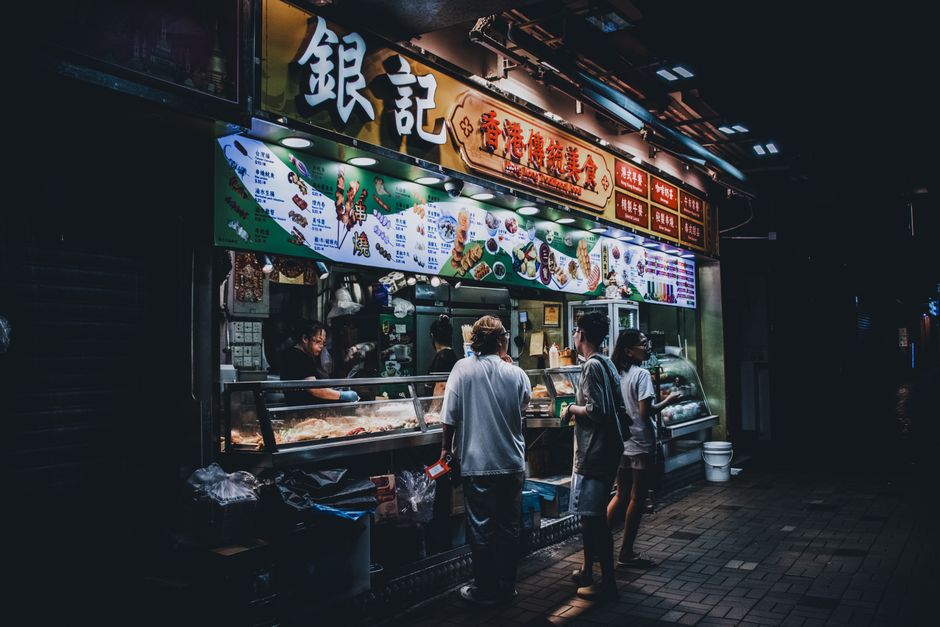
Dim sum, long a cornerstone of Hong Kong’s culinary identity, is experiencing a quiet revolution. Recent shifts in the city’s dining landscape—from innovative chef-led ventures to the revival of century-old teahouses—have sparked renewed local enthusiasm for this beloved Cantonese fare.
Why Dim Sum’s Revival Matters Now
After several years of disruption caused by the pandemic and broader economic challenges, the resurgence of dim sum culture signals more than just a return to customary dining habits. It reflects Hong Kong residents’ desire for connection and comfort through shared meals. According to the Hong Kong Tourism Board, search interest in “dim sum” increased by over 30% in the first quarter of 2026 compared to 2025, illustrating a rekindled appetite among locals and tourists alike.
Local Highlights Marking a Delicious Shift
At 72 Po Hing Fong in Sheung Wan, newcomer Lotus Harmony emphasizes organic, locally sourced ingredients combined with traditional dim sum techniques. Opening its doors in early 2026, Lotus Harmony surprised many by charging a modest HK$48 for a plate of their signature steamed prawn dumplings, balancing accessible pricing with gourmet quality. The restaurant’s growing popularity underscores the appetite for innovation without straying too far from familiar tastes.
Meanwhile, Lin Heung Tea House on Wellington Street has undergone a thoughtful restoration to modernize facilities while preserving the rustic charm that has kept it operational since 1928. The management reports a 20% increase in weekday patronage since the refurbishment in April 2026, appealing to younger diners eager to experience authentic dim sum heritage in a refreshed setting.
Local advocacy group FoodieHK has played an instrumental role in connecting food artisans with the community through their Dim Sum Discovery program, launched last November. The initiative encourages small vendors to showcase unique offerings in pop-up events scattered across Central and Kowloon, generating buzz and rediscovering lesser-known dim sum styles.
Numbers Behind the Nourishment
Recent market research by Euromonitor International shows Hong Kong’s dim sum market valued at HK$4.8 billion in 2025, up 5.6% from the previous year. This growth is attributed partly to the rise in mid-range dim sum establishments attracting a broader demographic, including working professionals and families. Average spending per customer hovered around HK$120 during a typical weekend dim sum brunch session, reflecting a steady willingness to invest in quality dining experiences.
Additionally, delivery services specializing in fresh dim sum report a 40% surge in orders since January 2026, illustrating how convenience and evolving consumer habits also drive the scene’s vitality.
In public markets like the iconic Yau Ma Tei Fruit Market area, small stalls have adapted too, introducing inventive offerings such as plant-based siu mai and gluten-free cheung fun at prices starting from HK$15 per piece.
What’s Next for Hong Kong’s Dim Sum Lovers?
With summer approaching, food lovers can look forward to a packed schedule of dim sum festivals, including the annual Hong Kong Dim Sum Heritage Days in September. These events showcase the merging of traditional and contemporary culinary arts, serving as platforms for chefs and vendors to experiment and innovate.
For those eager to experience the latest in the city’s dim sum renaissance, early reservations at popular venues like Lotus Harmony or Lin Heung are advised, as seats fill quickly during peak weekends. Meanwhile, exploring neighborhood gems across Sham Shui Po and Tai Hang promises delightful discoveries at wallet-friendly prices.
As the city continues to embrace its dim sum roots while welcoming fresh influences, locals have found renewed joy and pride in a dining tradition that remains uniquely Hong Kong’s own.