lifestyle
Best Dim Sum in Hong Kong: The Cost, Access and Everything You Need to Know Before Going
A guide to enjoying Hong Kong's iconic dim sum, with details on prices, locations, and how to navigate the city's busiest spots.
3 min read
lifestyle
A guide to enjoying Hong Kong's iconic dim sum, with details on prices, locations, and how to navigate the city's busiest spots.
3 min read
Hong Kong remains the dim sum capital of the world, offering a feast of bite-sized delights that draw locals and tourists alike. Understanding the cost, accessibility, and practicalities before dining is essential to fully enjoy this culinary tradition — especially as prices and crowd control have shifted in the wake of ongoing economic and social changes.
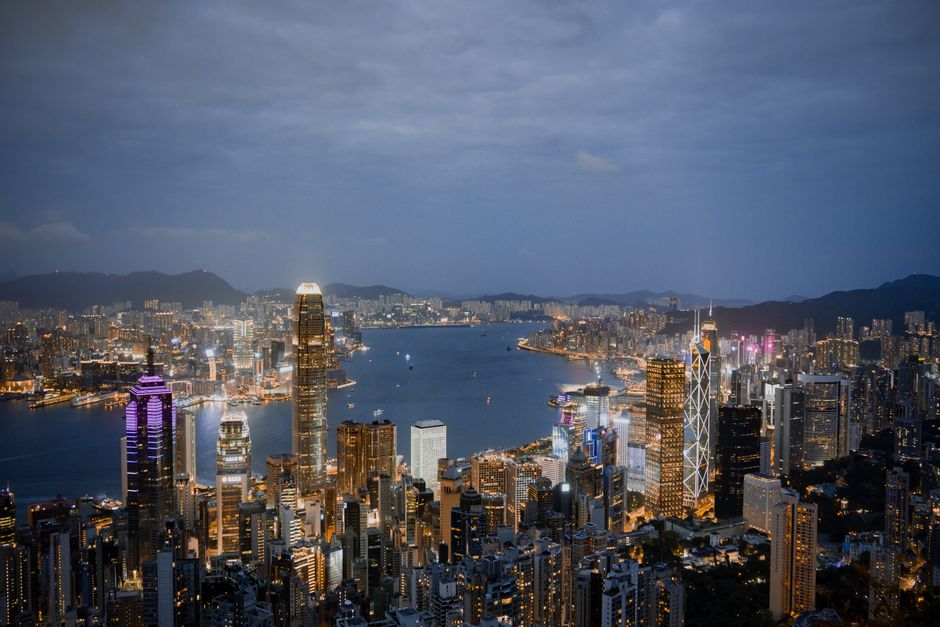
As Hong Kong’s dining scene rebounds post-COVID-19, dim sum restaurants are adapting to evolving consumer expectations and government guidelines, making now an important moment for those seeking an authentic experience. The city’s food streets, like the renowned streets of Sham Shui Po and Central, have seen increased foot traffic and some price adjustments as supply chains stabilize and demand rises.
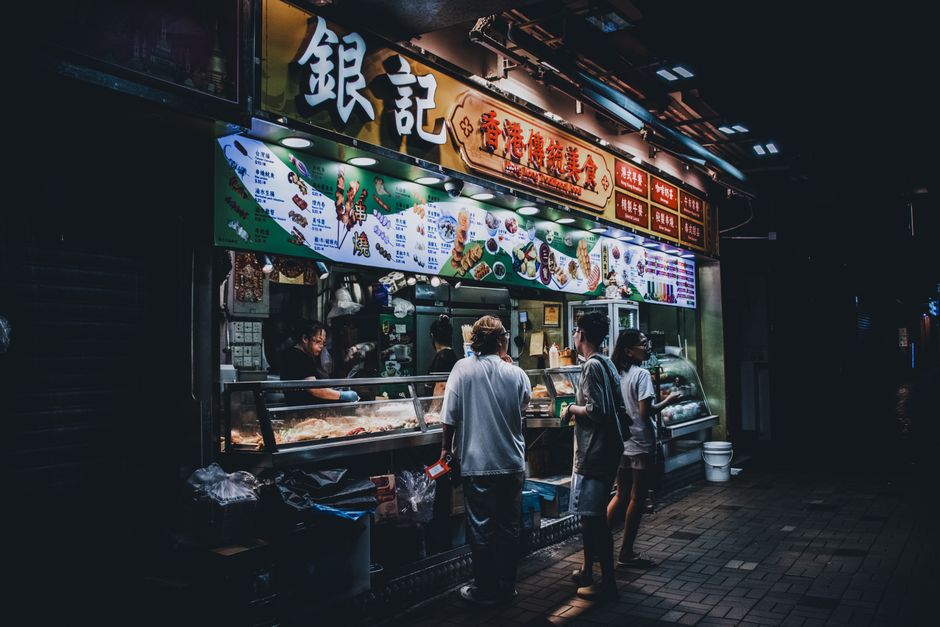
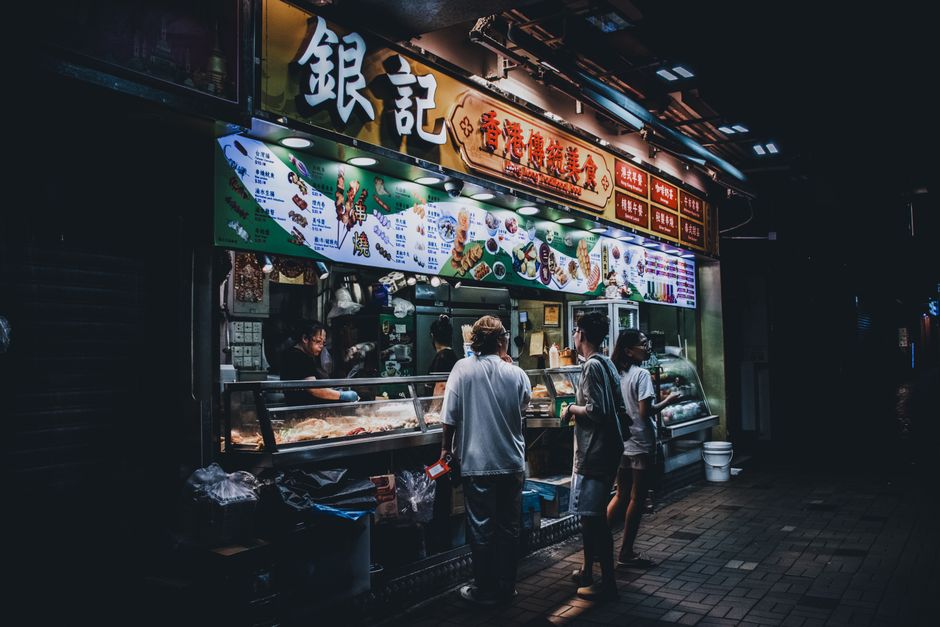
Two iconic spots stand out for visitors: Tim Ho Wan, the Michelin-starred "cheapest restaurant in the world" located on Tung Choi Street in Mong Kok, and Lin Heung Tea House on Wellington Street in Central. Tim Ho Wan remains popular for its affordable pricing and well-known baked buns with BBQ pork, with prices averaging HK$30 to HK$50 per dish. Lin Heung, with its century-old heritage, offers a traditional cart service but generally sits at a higher price point, around HK$50 to HK$70 per dish.
Getting to these venues is straightforward: Mong Kok is accessible via multiple MTR lines converging at the Mong Kok station, while Central can be reached from the Central MTR station with a short walk. Both neighbourhoods provide ample street parking options and are well-served by buses and trams, but midday weekends and holidays often see queues exceeding 30 minutes at Lin Heung.
Dim sum prices across Hong Kong have increased gradually, with a 7% rise noted in official data from the Hong Kong Census and Statistics Department between 2024 and early 2026. While individual dishes can range from affordable HK$25 at local dai pai dongs to more than HK$100 in upscale hotels such as The Peninsula’s Spring Moon restaurant, most mid-range establishments maintain an average cost of HK$40 to HK$60 per dish.
Experts recommend visiting dim sum restaurants during weekday mornings to avoid crowds and enjoy prompt service. Some popular spots, including Maxim’s Palace City Hall in Central, encourage online reservations through their official websites or dedicated apps. Note that most places only accept cash or e-payment like Alipay or WeChat Pay, so ensure your preferred payment method is available.
For tourists, guided dim sum tours provided by Hong Kong Tourism Board-approved operators offer both cultural context and logistical ease, often bundling tasting sessions with access to less touristy locations in districts such as Sheung Wan and Wan Chai. These usually cost around HK$600 to HK$800 per person.
With Hong Kong’s summer heat and humidity peaking from July through September, air-conditioned venues or indoor dining with adequate ventilation are preferred. Many dim sum halls now uphold rigorous food safety standards as monitored by the Food and Environmental Hygiene Department, reassuring diners amid heightened health concerns.
Knowing these details can turn a simple meal into a truly memorable culinary experience in Hong Kong, immersing diners in the city’s vibrant food culture while navigating the practicalities of price, access, and timing.

About this article
Published by The Daily Hong Kong
Spread the word
Daily brief
Free, in your inbox before 7am. Weekdays.
Before you go
The day's Hong Kong news in a 2-minute read. Free, weekday mornings.