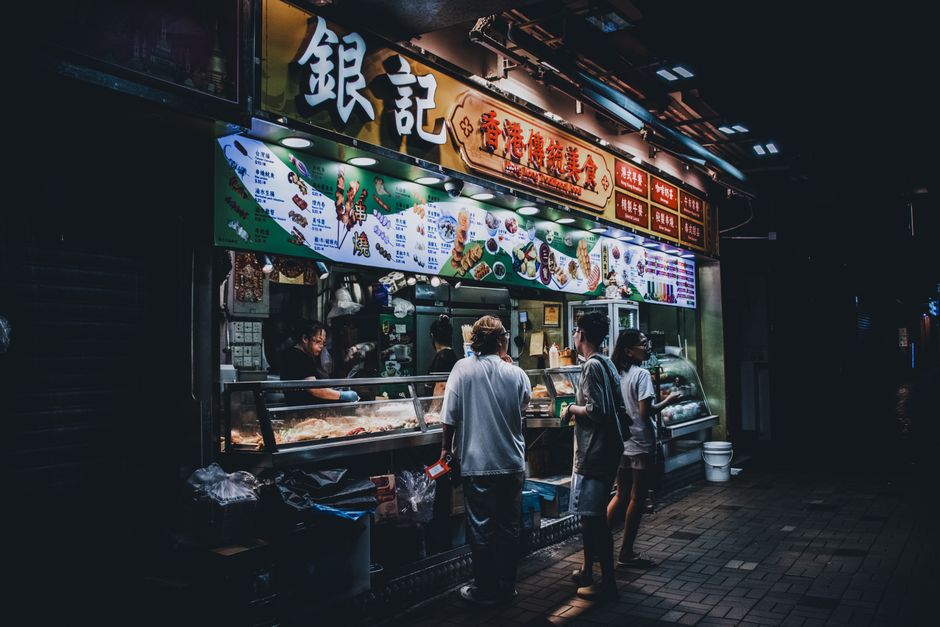
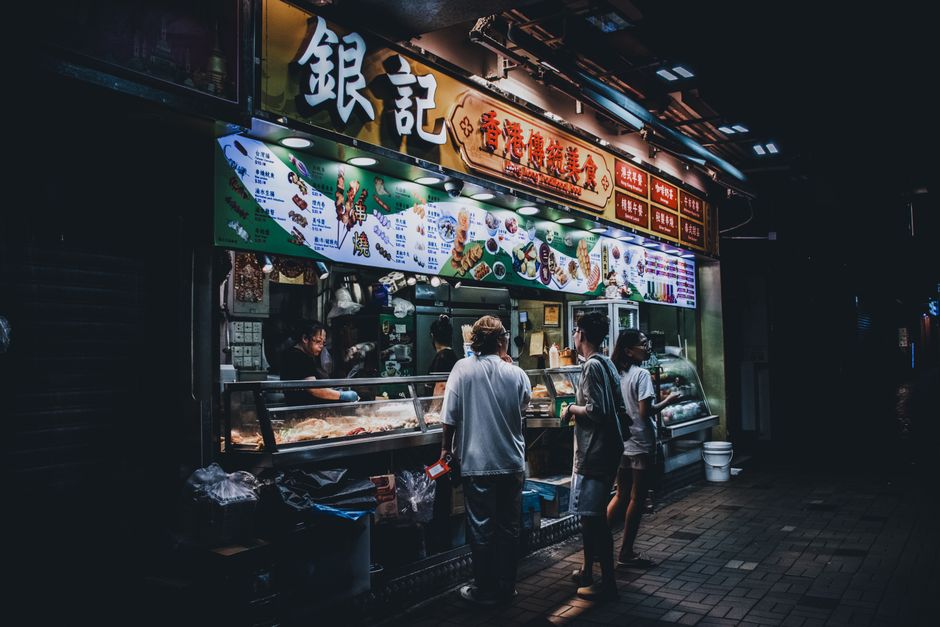
Sham Shui Po is quickly becoming a highlight on Hong Kong’s dim sum map, as a new wave of eateries revitalize this working-class district with fresh culinary approaches. Over the past two years, several dim sum spots along Nam Cheong Street and Pei Ho Street have renegotiated tradition by offering artisanal dishes alongside classic steamed dumplings.
This evolution matters because it signals a broader urban and cultural shift. With rising rents pushing out small businesses in Central and Tsim Sha Tsui, food entrepreneurs are turning to more affordable districts, and Sham Shui Po has become a canvas for experimenting with traditional Cantonese snack culture. This activity reflects changes in eating habits — younger diners now seek authentic experiences coupled with Instagram-worthy presentations.
Local Flavor and New Waves
Established venues like Luk Yu Teahouse, which has been a neighborhood staple since 1933, anchor Sham Shui Po’s identity but coexist today with upstarts such as Rice & Roll Creative Kitchen at 123 Nam Cheong Street. Rice & Roll offers exclusives like wasabi-infused har gow and truffle-scented siu mai, attracting day-trippers and food bloggers.
The district’s affordable rental rates help these places flourish. According to the Property Management Institute of Hong Kong, the average monthly commercial rent on Nam Cheong Street is HK$120 per square foot as of mid-2026, about 40% lower than in Central, providing breathing room for small dim sum businesses to invest in quality and innovation.
Stats and Cultural Dynamics
Data from the Hong Kong Tourism Board shows a 15% increase in culinary tours centered around Kowloon neighborhoods, including Sham Shui Po, since 2024. Dim sum prices in Sham Shui Po remain reasonable, with a typical basket priced between HK$25-40, compared with over HK$50 in more tourist-heavy districts.
Local NGOs such as the Sham Shui Po Community Development Network also play a role, supporting culinary skill workshops for youth aimed at preserving Cantonese culinary heritage while encouraging entrepreneurship. The Hong Kong Foodie Festival, held annually since 2023 near the Apliu Street Market, highlights the area’s evolving food culture with food stalls and live demonstrations.
For visitors and locals interested in exploring this dynamic neighborhood, weekdays offer less crowded dining experiences, while weekends feature special menus and tasting events at newer dim sum restaurants. Early reservations are recommended, especially for spots like Din Mei Shui, which has gained acclaim for its innovative egg tart dim sum box sets launched earlier this year.
As Sham Shui Po continues to balance its rich heritage with modern tastes, it is charting a course that could influence how traditional Cantonese cuisine is preserved and renewed across Hong Kong.