lifestyle
Inside Look at the Neighbourhood Character and Community Vibe of Hong Kong’s Best Dim Sum
Exploring how local communities and distinct districts shape the city’s celebrated dim sum heritage.
3 min read
lifestyle
Exploring how local communities and distinct districts shape the city’s celebrated dim sum heritage.
3 min read
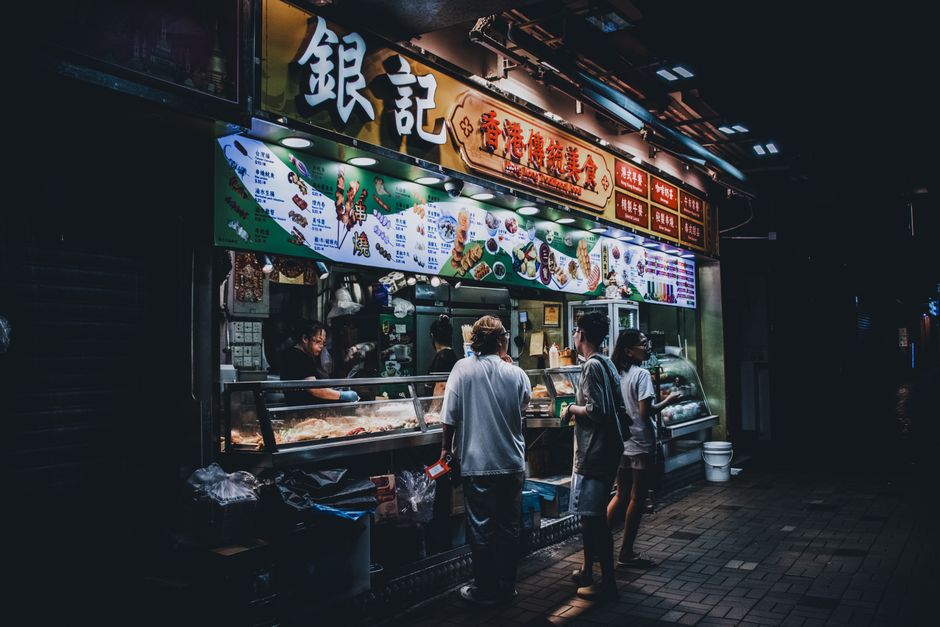
Dim sum is more than just a culinary staple in Hong Kong — it’s a window into the character of the city’s neighbourhoods. From traditional teahouses in Sham Shui Po to vibrant communal spots in Tai Hang, the ritual of sharing small plates mirrors the pulse of local communities.
As Hong Kong navigates a post-pandemic revival of dining culture in 2026, the city’s dim sum scene is regaining momentum but with renewed emphasis on community roots and neighbourhood identity. Longstanding venues and emerging eateries alike are doubling down on creating spaces where locals gather, preserving social connections that dim sum has historically nurtured.
Sham Shui Po, known for its working-class heritage and bustling markets, remains a stronghold for authentic, budget-friendly dim sum experiences. At Tim Ho Wan’s original location on Fuk Wing Street, patrons can enjoy baked buns with BBQ pork for HK$25, a dish symbolic of Sham Shui Po’s approachable fare. The eatery’s modest surroundings — fluorescent lighting, plastic stools — reflect the no-frills neighbourhood that historically housed garment factories and low-income families. For many residents, sharing dim sum here remains a tradition passed down through generations.
Meanwhile, Tai Hang on Hong Kong Island offers a contrasting vibe characterized by trendy cafés and nightlife. Yet it hasn’t lost its dim sum heritage. Lin Heung Tea House on Wyndham Street blends old-school recipes with a convivial ambiance where Cantonese opera music sometimes plays. The restaurant’s wooden carts still roll through tables, a rarity in a city dominated by digital ordering systems. For Tong Lau residents nearby, Lin Heung serves as a communal living room, hosting late-morning gatherings that transcend dining.
The Food and Environmental Hygiene Department reports more than 1,200 licensed eateries in Hong Kong offering dim sum-style dishes as of mid-2026, a 15% increase from 2023. Average spend per person ranges from HK$50 at local cha chaan tengs to upward of HK$250 in upscale districts like Central. This spending supports thousands of small business owners and suppliers, reinforcing the socio-economic fabric of their neighbourhoods.
Furthermore, community groups such as the Sham Shui Po Cultural Association have launched programmes to promote traditional food crafts including dim sum preparation, fostering skills among younger residents. These initiatives have drawn over 500 participants since their inception in early 2025, underscoring local commitment to preserving culinary heritage as a living practice rather than museum fare.
For visitors and residents seeking to experience dim sum infused with authentic community spirit, planning weekday visits is advisable to avoid crowded weekend rushes common at spots like Tim Ho Wan and Lin Heung. Exploring side streets such as Pei Ho Street in Sham Shui Po or exploring dai pai dong stalls in Tai Hang can reveal hidden gems where locals eat and congregate.
In a city known for rapid change and global financial flux, dim sum continues to offer a constant — a shared table, familiar flavours, and a sense of home sustained by neighbourhood ties.

About this article
Published by The Daily Hong Kong
Spread the word
Daily brief
Free, in your inbox before 7am. Weekdays.
Before you go
The day's Hong Kong news in a 2-minute read. Free, weekday mornings.