lifestyle
How Sham Shui Po’s Dim Sum Scene Is Evolving Amid Urban Renewal
Sham Shui Po, once known for its gritty markets, is witnessing a transformation in its dim sum offerings, blending tradition with modern culinary trends.
3 min read
lifestyle
Sham Shui Po, once known for its gritty markets, is witnessing a transformation in its dim sum offerings, blending tradition with modern culinary trends.
3 min read
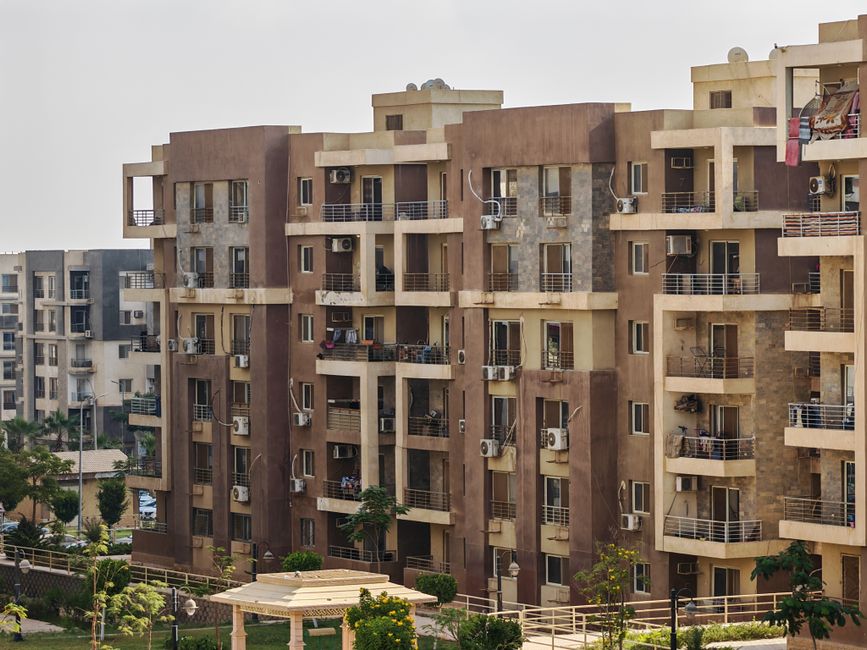
Sham Shui Po, a district in Kowloon often overshadowed by its flashier neighbours, is emerging as a hotspot for dim sum, where long-standing eateries are reinvesting in their craft alongside new establishments introducing innovative twists on the classic Cantonese fare.
This evolution comes as the district undergoes extensive urban renewal, with the Hong Kong Urban Renewal Authority (URA) aiming to revamp the area while preserving its cultural identity. The surge in food tourism and local demand for authentic dining experiences is driving this dim sum renaissance.
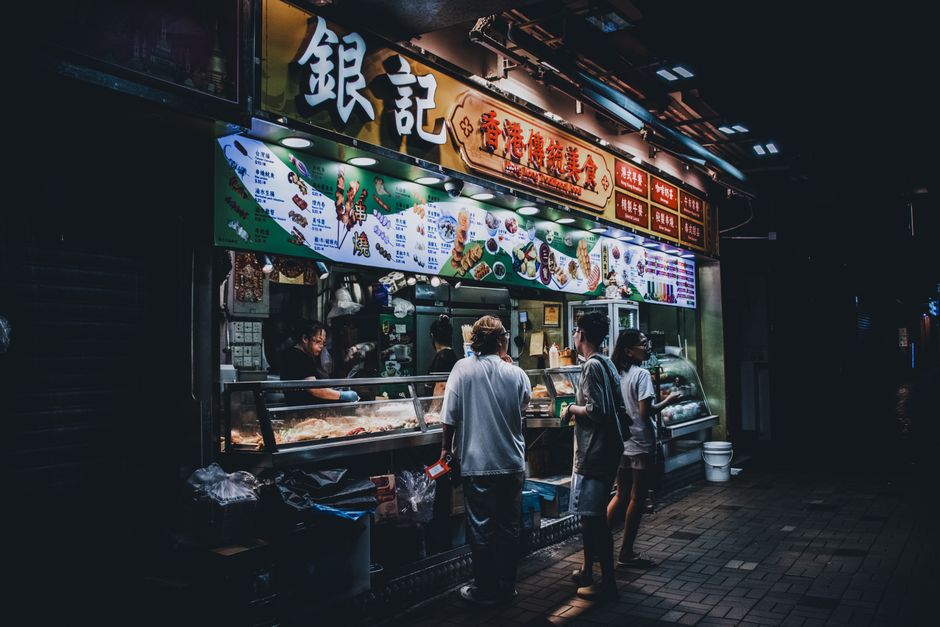
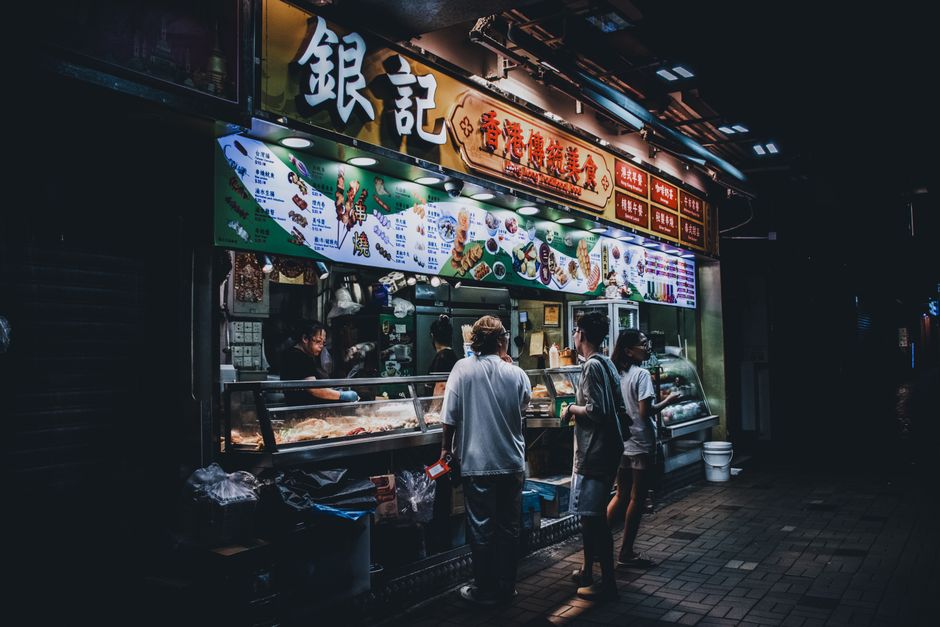
Cheung Hing Kee on Pei Ho Street has served the community since the 1980s, retaining its traditional steamed shrimp dumplings and pork siu mai, with most dishes priced between HK$25 and HK$40. The owners recently upgraded their kitchen to improve hygiene standards but maintain the original recipes, drawing loyal patrons from across the city.
On the other side of the innovation spectrum, Labyrinth Dim Sum, which opened in late 2025 on Yen Chow Street, blends classic dim sum with fusion elements like truffle-infused har gow and plant-based char siu buns. Prices here are higher, averaging HK$60 to HK$80 per item, appealing to younger diners and food enthusiasts willing to experiment.
Both venues coexist within Sham Shui Po’s dynamic food ecosystem, anchored by the district’s characteristic street markets and close-knit community atmosphere.
According to the URA, since the start of its comprehensive redevelopment plan in 2024, the district has seen a 15% increase in new eateries by mid-2026, with food outlets expanding or upgrading their menus to meet shifting consumer expectations. The rise of hip cafes alongside family-run dim sum houses signals a broader demographic shift.
However, this transformation has also brought rising rents. The average commercial rent on Pei Ho Street rose from HK$150 per square foot in 2023 to around HK$210 in the first half of 2026, pressuring smaller operators. Despite this, the continued patronage of locals and visitors helps sustain many traditional dim sum vendors.
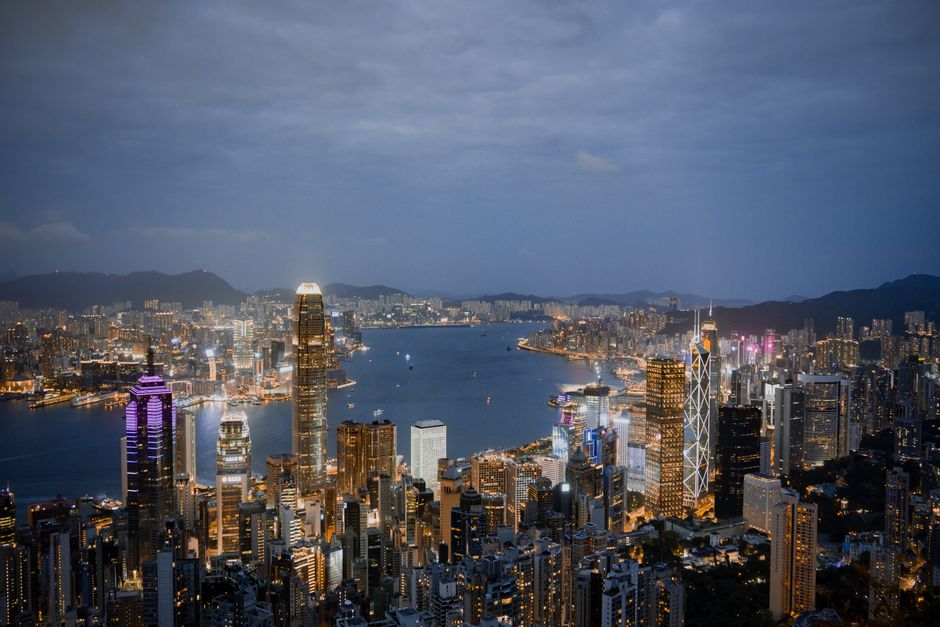
Sham Shui Po's dim sum evolution reflects Hong Kong’s broader blend of preserving culinary heritage amid rapid urban change. Food remains a tactile link to the past even as tastes and neighborhoods shift.
For dim sum lovers eager to experience Sham Shui Po’s changing scene, weekdays before noon are ideal to avoid peak crowds. Take MTR to Sham Shui Po Station and explore Pei Ho and Yen Chow Streets for a layered taste of old and new. Keep an eye on local food blogs and community boards, where new pop-up dim sum events frequently appear, spotlighting the next generation of chefs redefining this culinary tradition.

About this article
Published by The Daily Hong Kong
Spread the word
Daily brief
Free, in your inbox before 7am. Weekdays.
Before you go
The day's Hong Kong news in a 2-minute read. Free, weekday mornings.