lifestyle
Beyond the Bamboo Steamer: The People Stories and Faces That Make This Place Special
Amid global volatility, Hong Kong’s dim sum masters are doubling down on the craftsmanship that keeps the city’s heart beating.
3 min read
Updated 6 h ago
lifestyle
Amid global volatility, Hong Kong’s dim sum masters are doubling down on the craftsmanship that keeps the city’s heart beating.
3 min read
Updated 6 h ago
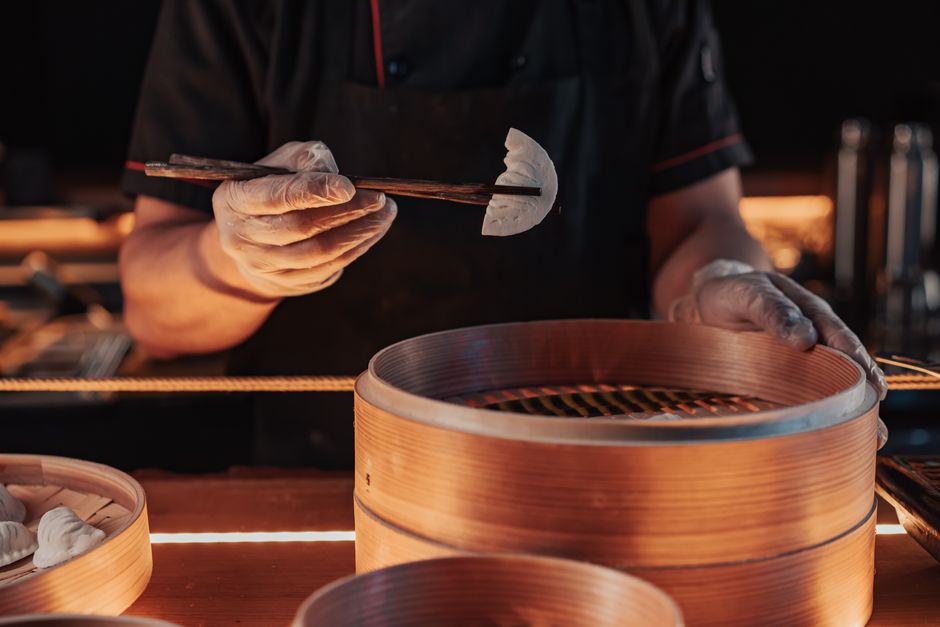
At 4:30 a.m. on a sweltering Thursday in July, the kitchen at Lin Heung Kui on Des Voeux Road West is already a wall of steam. While international headlines focus on the fallout in Tehran or the heatwave-driven mortality rates in France, the staff here are focused on the precise fold of a har gow wrapper. For the regulars who have lined up since 5:15 a.m., this ritual is more than breakfast; it is the stubborn, daily persistence of Hong Kong’s culinary soul.
The mastery of a single dumpling requires years of repetition, a fact often lost in the modern rush toward automation. Chef Chan, who has spent 32 years behind the stoves, doesn't use a scale to measure his filling. He relies on the resistance of the dough and the collective memory of his mentors. Down in Sheung Wan, places like Dim Sum Square maintain a fierce independence, eschewing corporate chain models in favor of the kind of high-turnover, high-intensity labor that defines the neighborhood’s character. These kitchens are the last bastions where the apprenticeship system still dictates the hierarchy of the room, from the dishwasher to the dim sum head chef.
The price of the morning ritual reflects the broader pressures on the city. According to recent data from the Census and Statistics Department, food inflation remains a persistent drag on household budgets, with the average cost of a standard dim sum breakfast for two climbing to roughly HK$320—a 14% increase compared to mid-2024 levels. Yet, the tables remain full. The demand isn't just about nutrition; it's about the tangible connection to a city that is changing rapidly. Establishments like Luk Yu Tea House in Central serve as a physical bridge to the pre-handover era, keeping the tradition of the 'cart lady' alive even as most of the city has pivoted to digital ordering systems and QR-code menus.
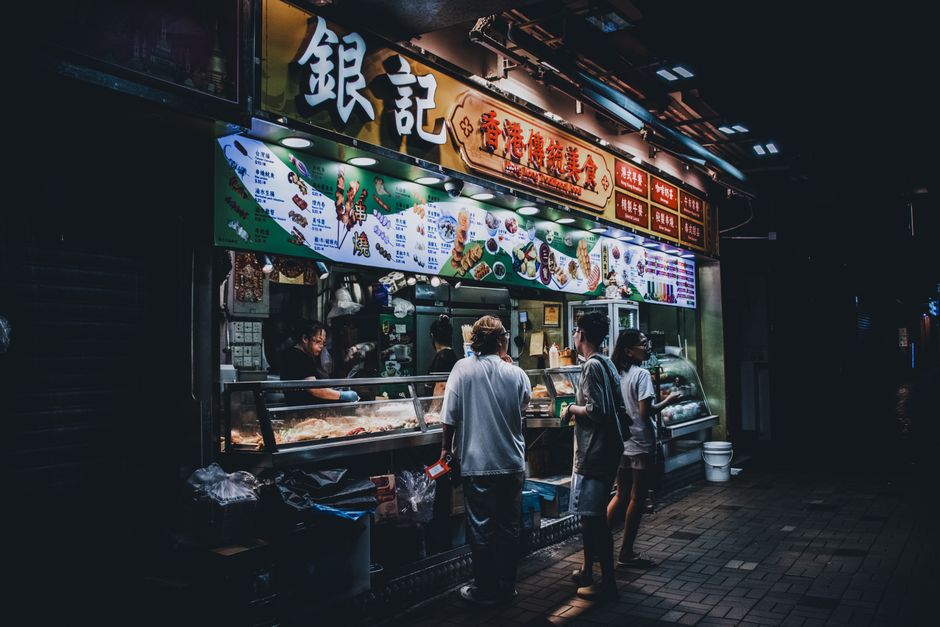
For those looking to catch the true spirit of the city, skip the hotel brunch buffets and head to the older districts before the morning rush peaks at 10:00 a.m. If you find yourself in Yau Ma Tei, try the early seating at a local neighborhood joint rather than the tourist-heavy spots near the Star Ferry. Bring cash, expect to share your table with a stranger reading the morning paper, and keep your expectations grounded in the reality that the best service here is efficient, not performative. If the steam is thick and the tea is hot, you are exactly where you need to be.

About this article
Published by The Daily Hong Kong
Spread the word
Daily brief
Free, in your inbox before 7am. Weekdays.
Before you go
The day's Hong Kong news in a 2-minute read. Free, weekday mornings.