lifestyle
Best Dim Sum in Hong Kong: Tips and Honest Recommendations from Locals Who Live It Daily
Local insights reveal where to find authentic dim sum experiences away from the tourist trail in the heart of the city.
4 min read
lifestyle
Local insights reveal where to find authentic dim sum experiences away from the tourist trail in the heart of the city.
4 min read
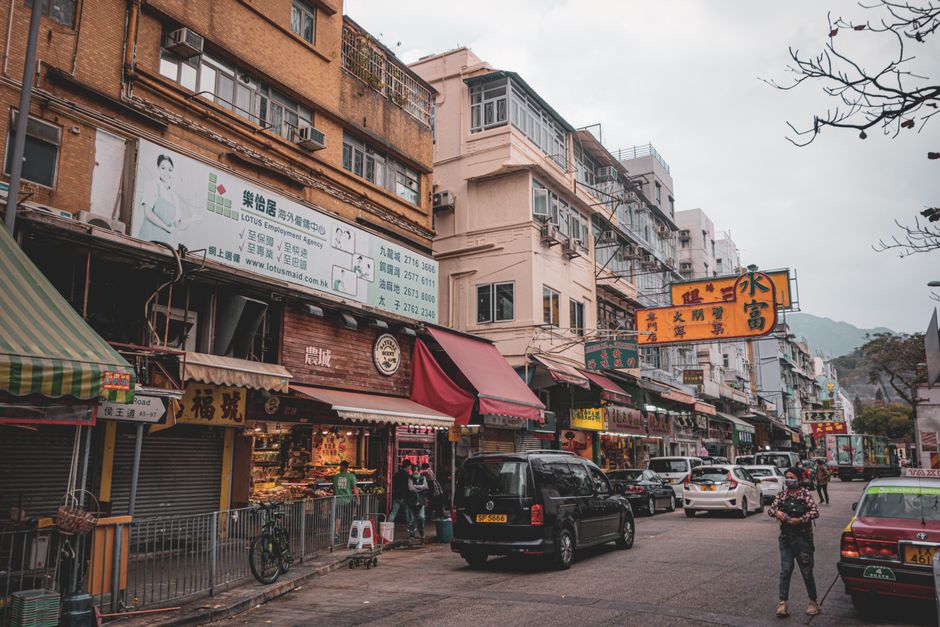
For residents of Hong Kong, dim sum isn’t just a meal; it’s a daily ritual threaded through social and family life. While food guides often spotlight landmark venues, true connoisseurs point to hidden gems scattered across bustling districts like Sham Shui Po and Tai Hang. With new waves of food trends and shifting tastes, locals are re-evaluating where to enjoy the best bite-sized delights in the city.
This year marks a significant moment for Hong Kong’s culinary heritage. As heated debates around cultural identity intensify amid broader economic and social changes, traditional Cantonese cuisine—and dim sum in particular—has taken on renewed cultural significance. According to the Hong Kong Tourism Board, domestic interest in heritage food has risen by 18% since January 2026, reflecting an effort to preserve local customs.
In addition, with a recovering hospitality sector post-pandemic and the easing of travel restrictions, locals are rediscovering neighborhood eateries once overshadowed by high-profile restaurants in Central and Tsim Sha Tsui. This shift is bolstered by initiatives like the “Taste of Hong Kong” program, launched in early 2026, which promotes family-run dim sum shops through community events and social media storytelling.
One standout endorsed by everyday diners is Dai Pai Dimsum on Pei Ho Street in Sham Shui Po. This small, no-frills spot is famed for its fresh har gow (shrimp dumplings), rarely exceeding HK$28 per basket, and cha siu bao (barbecue pork buns) that attract an early-morning crowd. Its affordability and authenticity draw longtime residents who make the trek from Kowloon Bay.
Further east, Tai Hang’s Yuet Lai serves dim sum with a modern twist without sacrificing tradition—many locals praise their steamed egg tarts and silky rice rolls. Located on Tung Lo Wan Road, Yuet Lai blends classic recipes with seasonal ingredients. A typical dim sum meal here ranges from HK$150 to HK$250 per person, offering an approachable yet refined experience.
Both venues reject the tourist-heavy spots in Hong Kong Island’s downtown, emphasizing quality and daily freshness over spectacle. Their patrons consistently highlight the warm, communal seating arrangements and efficient but friendly service, which reflect the core values of Cantonese dining culture that visitors seldom experience.
The 2026 Hong Kong Food Census, compiled by the Culinary Heritage Foundation this past March, surveyed over 1,200 local dim sum regulars. Results show a significant preference for traditional dishes such as siu mai and turnip cake, with 62% naming taste and texture as paramount, followed by price competitiveness (45%). Interestingly, only 30% favored dim sum served in upscale hotel restaurants, citing them as too expensive and less genuine.
Prices for staple dim sum items in established local joints average HK$25 to HK$35 per piece, making an entire meal accessible to a broad segment of the population. Moreover, the survey underlined the importance of the ambiance: 70% of respondents emphasized that the setting should be casual and lively, replicating the original spirit of Cantonese yum cha culture.
For those seeking an authentic, local angle on dim sum, it pays to look beyond Hong Kong’s glittering high-rises. Arrive early—many of these kitchens open by 7 a.m.—to catch dishes at their freshest. Ordering classic items like steamed rice rolls or egg tarts alongside less common offerings such as steamed pork patties can yield a fuller taste of this evolving cuisine.
Tourists and residents alike should consider participating in guided food walks organized by the Hong Kong Culinary Guild, which often include stops at recommended local dim sum houses. This spring’s tours also incorporate talks from third-generation chefs about their family recipes and the challenges of keeping dim sum authentic in a fast-changing city.
In short, the best dim sum experience in 2026 hinges on blending heritage with everyday life—choosing venues where locals gather, prices remain reasonable, and each item is crafted with care. For anyone serious about Cantonese food culture, getting off the beaten path in districts like Sham Shui Po and Tai Hang is a tasty place to start.

About this article
Published by The Daily Hong Kong
Spread the word
Daily brief
Free, in your inbox before 7am. Weekdays.
Before you go
The day's Hong Kong news in a 2-minute read. Free, weekday mornings.