lifestyle
Inside Look at the Neighbourhood Character and Community Vibe of Hong Kong’s Best Dim Sum Spots
Exploring how local dim sum venues in Sham Shui Po and Tai Hang reflect their communities through food and atmosphere.
3 min read
lifestyle
Exploring how local dim sum venues in Sham Shui Po and Tai Hang reflect their communities through food and atmosphere.
3 min read

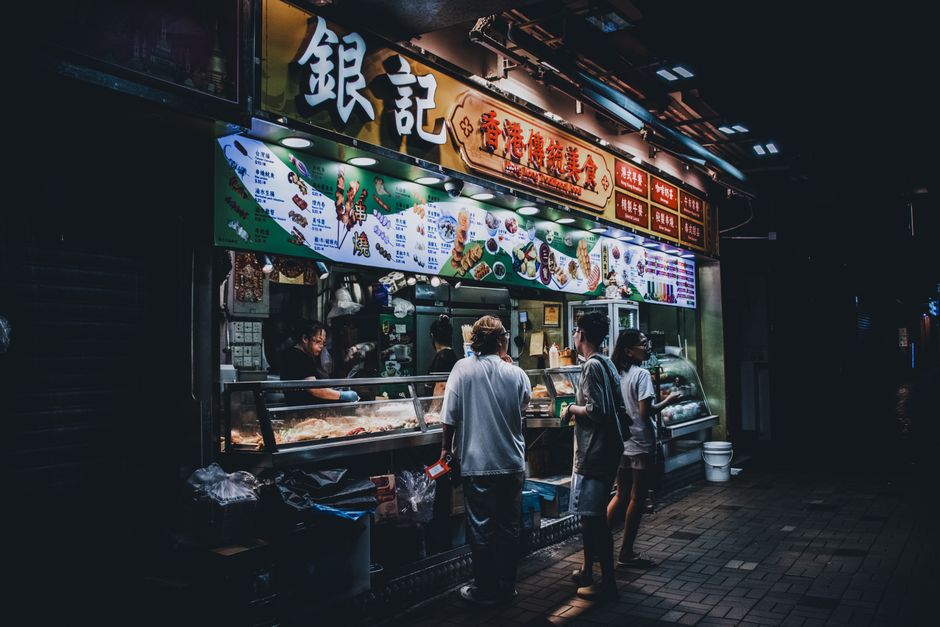
Hong Kong’s dim sum culture is inseparable from its neighbourhoods, each offering a distinct experience that mirrors the local community’s character. In Sham Shui Po and Tai Hang, two areas famed for their lively street scenes and traditional eateries, dim sum is more than a meal—it’s a communal gathering that reveals the pulse of these diverse districts.
Sham Shui Po, on the Kowloon Peninsula’s western edge, is a working-class district undergoing gradual gentrification but maintaining a strong sense of local identity. The area’s dim sum scene is anchored by longstanding establishments like Tim Ho Wan on Fuk Wing Street, a Michelin-starred restaurant known globally but deeply rooted in its humble surroundings. Here, the aroma of freshly steamed har gow and siu mai fills cramped shopfronts lined with communal tables.
Community initiatives, such as the Sham Shui Po Foodie Walk launched in late 2025, draw visitors beyond the traditional tourist hubs, highlighting local eateries that serve not only food but foster social bonds. Participants report an atmosphere where older residents and younger food entrepreneurs mingle, preserving cultural heritage through shared dining rituals.
On Hong Kong Island’s eastern side, Tai Hang blends residential quiet with an emerging boutique dining culture. Small dim sum parlours like One Dim Sum at Tung Lo Wan Road serve handcrafted dumplings alongside stumptown coffee in spaces filled with natural light. Unlike the bustling air of Sham Shui Po, Tai Hang’s offerings cater to a community appreciating a slower pace and more contemporary culinary interpretations.
The Tai Hang Community Development Association reports a 12% increase in local patronage at traditional-style eateries between January and May 2026, indicating a resurgence of interest among residents in preserving authentic dining experiences despite the influx of new cafes and bars.
Both neighbourhoods show how dim sum serves as a bridge between old and new residents, with prices ranging from HK$28 for basic steamed buns to HK$68 for specialty dishes—affordable enough to maintain broad accessibility in these mixed-income areas.
According to the Hong Kong Tourism Board’s 2025 culinary survey, 68% of locals cited dim sum as their preferred weekend meal that fosters family and community interaction, underscoring the dish’s social importance beyond culinary delight.
Looking ahead, community groups in Sham Shui Po and Tai Hang plan to expand their food-focused events, aiming to preserve the cultural vibrancy that dim sum restaurants help sustain. Visitors interested in experiencing authentic neighbourhood character should explore local markets and join guided food walks, where stories behind recipes and venues illustrate dim sum’s role as a communal thread weaving together Hong Kong’s urban tapestry.

About this article
Published by The Daily Hong Kong
Spread the word
Daily brief
Free, in your inbox before 7am. Weekdays.
Before you go
The day's Hong Kong news in a 2-minute read. Free, weekday mornings.