Hong Kong’s dim sum scene thrives not just because of its mouthwatering dishes, but because of the generations of chefs, servers, and purveyors who have crafted this culinary tradition into a daily ritual. In 2026, as the city balances modernity with preserving its cultural identity, the personal stories behind dim sum restaurants across neighborhoods like Central and Sham Shui Po are coming to the forefront.
Dim sum is woven into Hong Kong’s social fabric, especially as locals seek familiar comforts during an era of rapid urban change. This matters now, as younger generations and newcomers to the city rediscover traditional dining experiences, while many veteran culinary artisans adapt to evolving tastes and rising costs. The pandemic’s impact on the hospitality sector and labor shortages have further spotlighted the people whose dedication keeps dim sum alive and thriving.
Faces of Central and Sham Shui Po's Dim Sum Culture
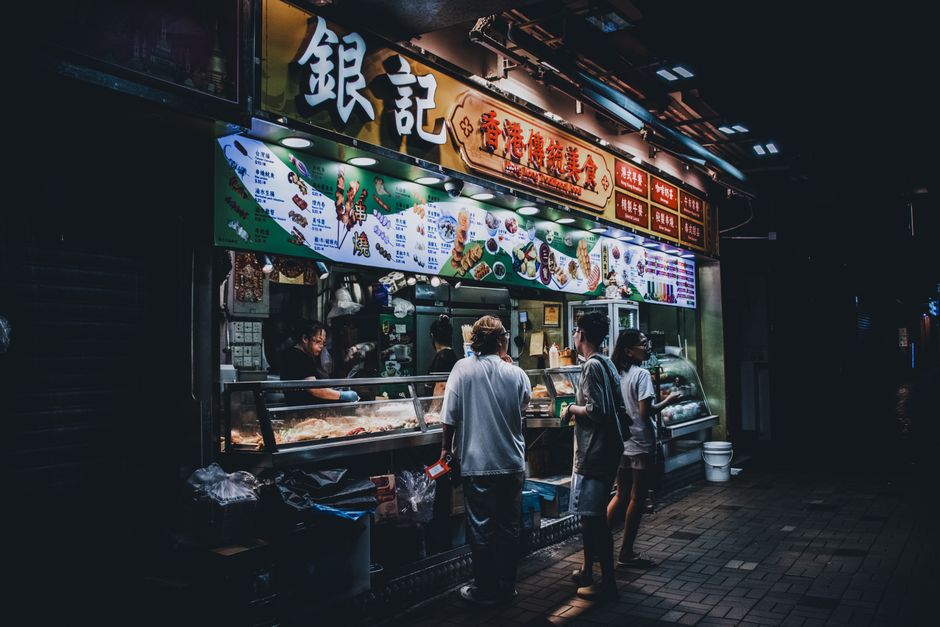
At Lin Heung Tea House on Wellington Street, a dim sum landmark serving Hong Kong for over 90 years, the third-generation owner, who recently resumed full operations after the venue's brief pandemic closure, oversees a staff that includes cooks in their sixties who have mastered the art of folding siu mai and har gow by hand. Nearby, on Yen Chow Street in Sham Shui Po, a newer player—Yum Cha Delight—founded in 2017 by a former tech sector employee turned chef—blends traditional recipes with contemporary twists, attracting a younger, diverse clientele.
Both establishments share a commitment to authentic preparation methods. Lin Heung utilizes traditional wooden steamers and recipes unchanged since its 1926 opening, while Yum Cha Delight sources fresh local ingredients to innovate dishes like seafood siu mai with avocado. The contrast highlights Hong Kong’s dim sum landscape: a balance between honoring past legacies and welcoming new culinary creativity.
Economic Realities and Dim Sum’s Future
A 2025 report from the Hong Kong Food and Environmental Hygiene Department estimated that dim sum restaurants account for approximately 30% of local dining establishments, serving an average of 4 million customers monthly before the pandemic-induced slowdown. Prices for a standard dim sum basket range from HK$28 to HK$48 at traditional establishments, rising up to HK$68 in modern venues offering fusion dim sum.
Longtime employees often describe their roles as more than a job; they see themselves as custodians of culture. However, rising rents in districts like Central—averaging HK$1,000 per square foot annually—and labor shortages complicate operations. The Hong Kong Tourism Board’s new “Taste Heritage” initiative, launched this year, aims to support dim sum businesses by promoting culinary tourism and funding skill preservation programs for chefs and front-line staff.
Looking forward, dim sum aficionados can expect a mix of tradition and innovation across Hong Kong’s dining tables. Local food tours, including the popular Central Foodie Walk, have integrated visits to lesser-known family-run dim sum spots, fostering a greater appreciation for the personal stories behind the dishes. Patrons are encouraged to engage directly with owners and chefs to connect with the community spirit underpinning this iconic Hong Kong staple.
For visitors and residents alike, the best way to experience Hong Kong’s dim sum culture remains to join a bustling morning service at classic teahouses or innovative cafes, savor each bite while soaking in the smells, sounds, and faces that have shaped this cherished culinary heritage. As prices remain accessible and programs highlight sustainability, dim sum continues to be an evolving yet steadfast tradition, defined by the stories and people who bring it to life every day.