lifestyle
Hong Kong’s Dim Sum Scene Transforms as Locals Rediscover Tradition with a Twist
From old favourites to innovative new spots, the city’s dim sum culture is evolving—and residents can’t get enough of it.
3 min read
lifestyle
From old favourites to innovative new spots, the city’s dim sum culture is evolving—and residents can’t get enough of it.
3 min read

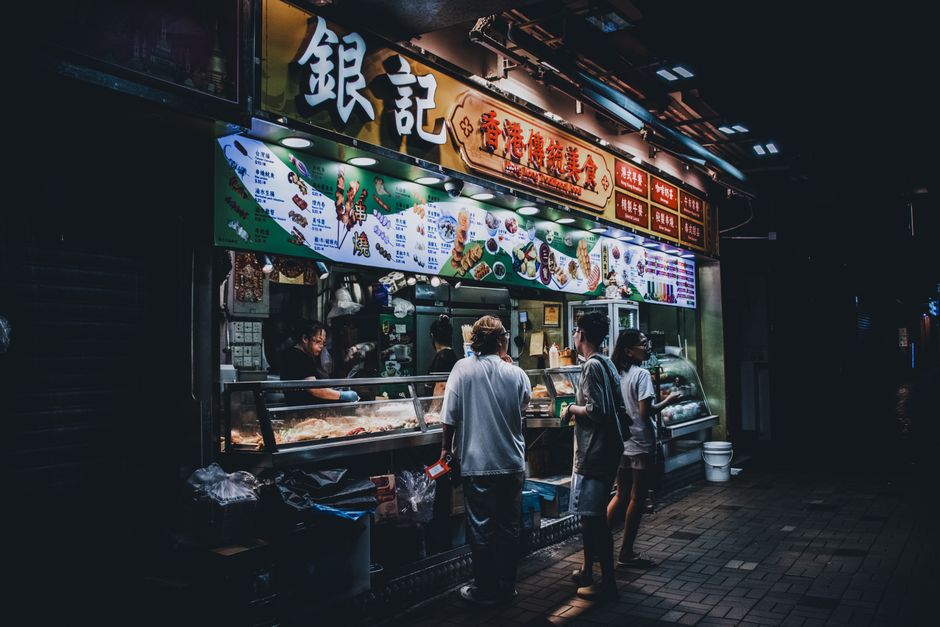
Hong Kong’s dim sum landscape has shifted noticeably in the past year, with a surge of both traditional and inventive eateries drawing local crowds. Changes in culinary trends, consumer expectations, and urban development are reshaping how residents experience this beloved bite-sized culinary tradition.
The timing of this transformation matters because dim sum is more than food for locals—it’s a cultural ritual woven into the fabric of daily life. After several years marked by social upheaval and pandemic-related disruptions, eateries are embracing innovation while honoring authenticity, making dim sum outings a renewed social event for families and younger generations alike.
For decades, iconic venues like Lung King Heen, situated within the Four Seasons Hotel Hong Kong on Queen’s Road Central, have anchored the city’s dim sum reputation by maintaining high standards of Cantonese tradition. Recently, they’ve introduced seasonal menus incorporating lesser-used ingredients like hairy crab during its autumn run, attracting food enthusiasts eager to revisit classic elegance in a contemporary setting.
Meanwhile, new players like Yardbird, located in Sheung Wan’s trendy hipster enclave, are revamping dim sum with a modern flair. Their small-plate approach emphasizes sustainable, locally sourced components and inventive presentations, aligning with a growing metropolitan appetite for fresh experiences. Yardbird’s popular char siu bao buns now feature a truffle-infused sauce, a nod to luxury that still respects dim sum’s accessible spirit.
According to recent data collected by the Hong Kong Tourism Board in May 2026, visits to dim sum restaurants surged by over 18% compared to 2024, a rebound fueled partly by the return of international tourists and by the city’s residents reigniting their social dining habits. Average spend per diner at mid-range dim sum establishments rose to HK$180, a 12% increase from two years ago, influenced by menu diversification and ingredient quality enhancement.
Moreover, government initiatives, such as the "Taste of Local Heritage" campaign promoted by the Hong Kong Food Culture Association (HKFCA), have spotlighted culinary craftsmanship, encouraging young chefs to innovate while preserving traditional methods. This initiative has successfully brought wider appreciation to hidden gem eateries in districts like Sham Shui Po, a neighborhood known for its authentic and affordable offerings.
Beyond the food, tech plays a growing role: online booking platforms tailored specifically for dim sum venues have emerged, smoothing the once daunting reservation process that often deterred locals during peak weekend hours. Some restaurants now also offer limited-time digital menus and pre-ordering options via popular apps like OpenRice, blending convenience with traditional dining practices.
For those eager to dive into Hong Kong’s reinvigorated dim sum scene, chances are best early on weekend mornings around Sai Ying Pun’s bustling Centre Street, where long-standing favourites like Tim Ho Wan—the world’s “cheapest Michelin-starred” dim sum eatery—continue to draw in loyal customers and newcomers alike.
As this gastronomic evolution continues, locals can expect a wider range of choices that balance heritage with freshness. Whether opting for refined Cantonese classics or adventurous new bites, the city’s dim sum offerings reflect a community reconnecting with its rich culinary roots and zest for innovation.

About this article
Published by The Daily Hong Kong
Spread the word
Daily brief
Free, in your inbox before 7am. Weekdays.
Before you go
The day's Hong Kong news in a 2-minute read. Free, weekday mornings.