lifestyle
What Makes Hong Kong’s Dim Sum Scene Unique Among Global Cities
From centuries-old teahouses to innovative chefs, Hong Kong’s dim sum culture blends tradition and modernity in ways unmatched worldwide.
3 min read
lifestyle
From centuries-old teahouses to innovative chefs, Hong Kong’s dim sum culture blends tradition and modernity in ways unmatched worldwide.
3 min read

Hong Kong continues to hold its place as the dim sum capital of the world, a culinary reputation cemented not just by quantity but by the distinctiveness of its offerings. The city’s dim sum culture — spanning centuries-old teahouses, bustling local dai pai dong, and Michelin-starred innovations — sets it apart from other international hubs where Cantonese cuisine also flourishes.
This culinary status is particularly resonant as Hong Kong’s tourism sector rebounds strongly in 2026 following pandemic-related downturns, drawing visitors eager to experience authentic local flavors. The return of international travelers craving genuine Cantonese dim sum has reignited interest in traditional eateries alongside new-generation chefs pushing boundaries with innovative twists on classic dishes.
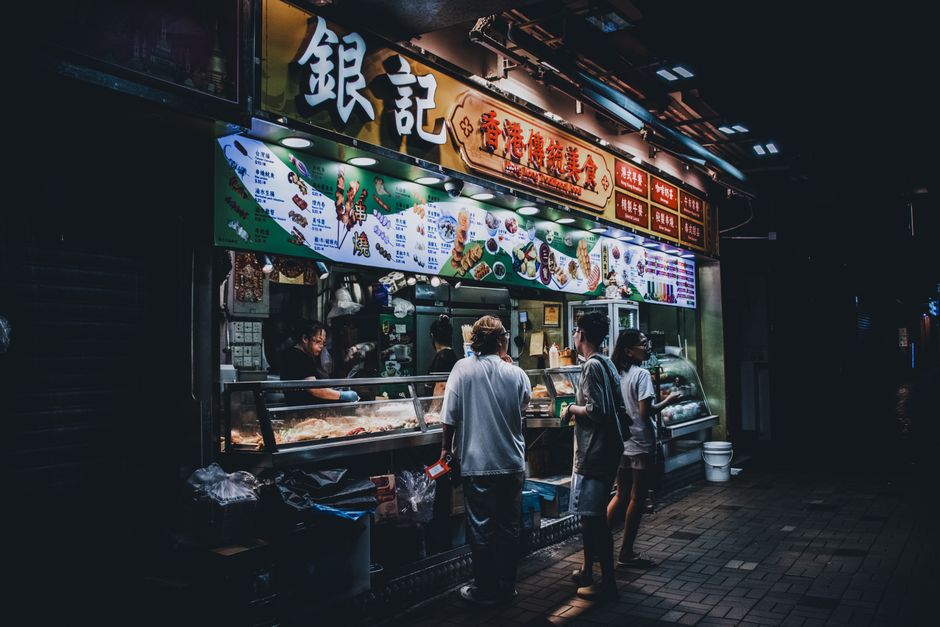
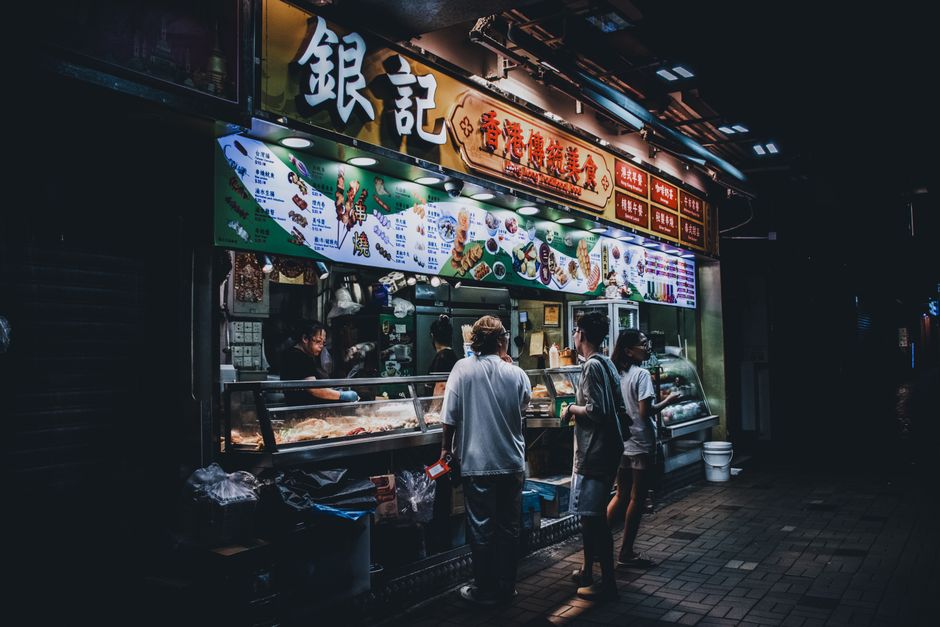
Tsim Sha Tsui’s Luk Yu Tea House, established in 1933, remains emblematic of the city’s dim sum heritage. Its vintage décor and customary pushcart service instantly evoke a bygone era, providing guests with a tactile connection to Hong Kong’s gastronomic past. Meanwhile, in Central’s Soho district, contemporary establishments like Yardbird’s sister venture, the dim sum-focused Dim Dim Sum Dim Sum, fuse traditional dumpling-making techniques with global ingredients, showcasing a modern evolution of the cuisine.
These establishments underscore the city’s unique capacity to honor tradition while embracing change. Hong Kong’s Food and Environmental Hygiene Department oversees rigorous standards ensuring consistent quality across the thousands of dim sum vendors from street stalls to high-end restaurants, an essential factor in worldwide reputation maintenance.
According to the Hong Kong Tourism Board’s 2025 Annual Survey, over 70% of tourists cite dim sum as a key culinary attraction driving their visit. Annually, the city consumes approximately 420 million baskets and plates of dim sum, averaging a cost of HK$35 to HK$50 per dish at mid-range venues—a price point accessible to locals and tourists alike. This affordability coupled with quality accessibility is distinctive compared to other global cities where Cantonese-style service can be substantially pricier or less authentic.
Moreover, Hong Kong’s annual Yum Cha Festival, established in 2018 and held each October, draws over 15,000 participants, celebrating everything from traditional dai pai dong carts to Michelin-rated dumpling artistry. The festival serves as a living chronicle of Hong Kong’s dim sum evolution, emphasizing its role as both a cultural touchstone and ongoing culinary innovation hub.
As Hong Kong’s vibrant lifestyle scene continues to thrive, locals and visitors looking to dive deep into the city’s dim sum scene should explore beyond the tourist-frequented areas. Streets such as Gage Street in Sheung Wan offer time-honored dim sum in intimate, no-frills settings, often packed during weekday mornings with office workers intent on quick, quality bites.
For those planning their next food excursion, early breakfast hours (7 to 10 a.m.) remain the best time to experience authentic dim sum culture in full swing, often accompanied by the brisk business chatter and clatter of teacups that define Hong Kong’s enduring love affair with its signature cuisine.

About this article
Published by The Daily Hong Kong
Spread the word
Daily brief
Free, in your inbox before 7am. Weekdays.
Before you go
The day's Hong Kong news in a 2-minute read. Free, weekday mornings.