lifestyle
Dim Sum’s Quiet Revolution: Why Hong Kong’s Tea Houses Are Changing
High-tech ordering and a shift toward heritage preservation are redefining the city's most enduring culinary ritual.
3 min read
lifestyle
High-tech ordering and a shift toward heritage preservation are redefining the city's most enduring culinary ritual.
3 min read
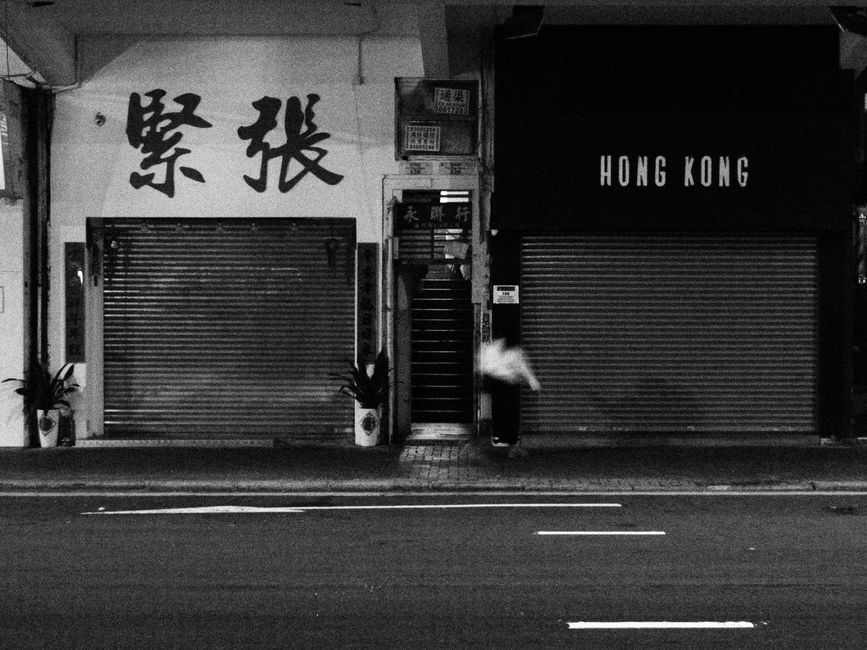
Hong Kong’s dim sum culture is undergoing a seismic shift in 2026, pivoting from the chaotic clatter of metal trolleys to a hybrid model of digitized efficiency and artisanal preservation. Walk into a morning service today and you are as likely to see a QR code taped to the tablecloth as you are a server pushing a steamer-laden cart. This transition marks the end of a decade-long decline for traditional cart-style service, which has struggled under the twin pressures of severe labor shortages and rising commercial rents in prime districts like Central and Causeway Bay.
The urgency to modernize has forced a divide in the market. At established stalwarts like Luk Yu Tea House on Stanley Street, the focus has shifted toward protecting the integrity of the 1933 menu, even while implementing mobile payment systems to speed up table turnover. Conversely, newer chains such as the Michelin-recognized Dim Dim Sum have doubled down on automated kiosks and refined, small-batch production. These shops have abandoned the gargantuan, 500-seat banquet halls of the 1990s for tighter, high-velocity footprints that prioritize profit margins over the slow-burn pace of a Sunday afternoon tea session.
Data from the Hong Kong Catering Industry Association suggests that the average cost of a standard dim sum breakfast—comprising three baskets of staples like har gow, siu mai, and char siu bao—has risen by 14 percent since early 2024. Despite this, the appetite for high-quality, craft-focused dumplings is stronger than ever. Locals are increasingly gravitating toward independent kitchens that source ingredients from specific regional farms in the Greater Bay Area, a direct response to the supply chain volatility seen in global markets earlier this year.
Beyond the logistical changes, there is a renewed cultural attachment to the dim sum ritual as a necessary anchor in an unpredictable geopolitical climate. In Yau Ma Tei and Sheung Wan, the tea houses remain the city’s primary social hubs, where the act of 'yum cha' serves as a low-cost, high-value reprieve from the news cycles out of Iran or the climate-related stressors currently affecting the mainland and Southeast Asia. The ritual hasn't been replaced by the technology; it has been streamlined to fit into the increasingly granular time management required of today's office worker.
For those looking to catch the best of the city’s current form, the advice remains consistent: go early or go late. The mid-morning peak between 10:00 a.m. and 11:30 a.m. is now largely reserved for those who have mastered the digital reservation systems, with wait times at popular spots regularly exceeding 45 minutes on weekends. For a more authentic, lower-tech experience, head to the older enclaves in North Point, where traditional family-run outlets still prioritize the hand-folding of dough, a labor-intensive craft that remains the gold standard for long-time residents. Check the latest health and occupancy updates via the 'LeaveHomeSafe' app before heading out, as some smaller traditional venues have moved to invitation-only morning slots to manage the post-pandemic crowd density.

About this article
Published by The Daily Hong Kong
Spread the word
Daily brief
Free, in your inbox before 7am. Weekdays.
Before you go
The day's Hong Kong news in a 2-minute read. Free, weekday mornings.