lifestyle
Inside Look at Hong Kong’s Best Dim Sum: Neighbourhood Character and Community Vibe
From Sham Shui Po to Sheung Wan, dim sum spots reveal the heart of local communities through their unique flavours and settings.
3 min read
lifestyle
From Sham Shui Po to Sheung Wan, dim sum spots reveal the heart of local communities through their unique flavours and settings.
3 min read

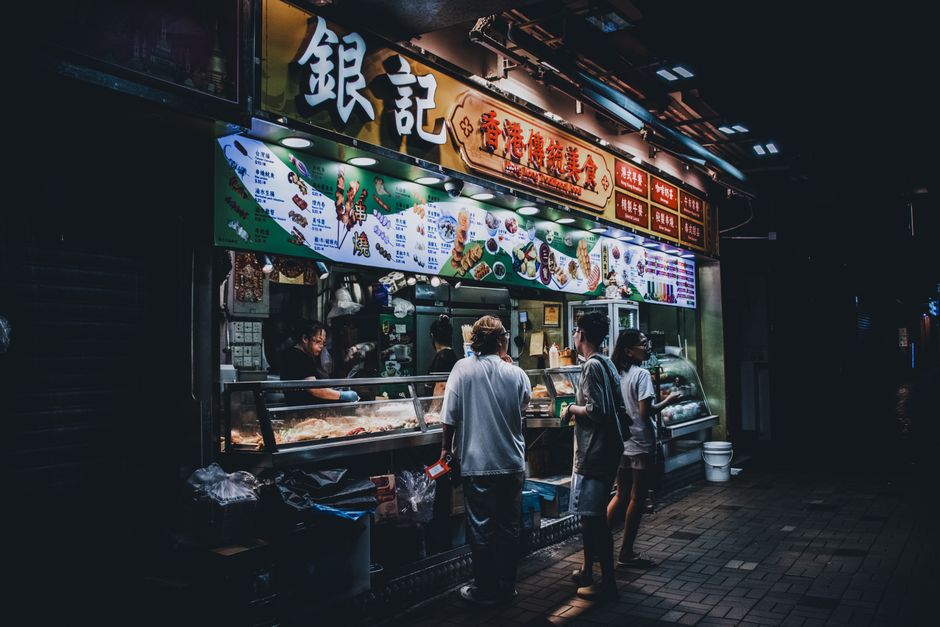
Hong Kong’s dim sum scene, celebrated internationally, is more than just a culinary destination—it's a window into the distinct characters of its neighbourhoods and the communities that sustain them. As locals and tourists flock to grab a table, the bustling eateries in areas like Sham Shui Po and Sheung Wan showcase diverse social fabrics through traditional carts, modern blends, and authentic atmospheres.
The timing couldn't be better to explore these neighbourhood culinary hubs. After a post-pandemic recovery period that saw many local businesses adapt or close, dim sum houses now serve both as cultural landmarks and communal gathering points. The government’s 2024 initiative to promote Hong Kong’s culinary heritage has also boosted interest in local dining experiences, encouraging both residents and visitors to rediscover familiar streets and spots.
In Sham Shui Po, a district known for its working-class roots and street markets, dim sum shops like Tim Ho Wan on Shing Wong Street keep old-world charms alive. Tim Ho Wan, often dubbed the “world’s cheapest Michelin-starred restaurant,” attracts crowds for its humble yet meticulously made pork buns (priced at HK$38 for a basket of three). Its setting—modest, bustling, with communal tables—reflects the gritty vibrancy of Sham Shui Po itself, where hawker stalls and wholesale fabric markets coexist.
On the other hand, Sheung Wan offers a blend of heritage and hipster culture. Venues like Lin Heung Tea House near Wellington Street provide a nostalgic experience, with bamboo steamers passed around by servers amid ornate wooden interiors dating back to the 1920s. Lin Heung’s longstanding reputation and traditional tea serving rituals embody the area’s blend of old Hong Kong and new lifestyle trends, drawing a mix of local families and younger crowds eager to experience genuine dim sum hospitality.
The significance of dim sum in Hong Kong extends beyond flavour and tradition. According to the Food and Environmental Hygiene Department’s last report from 2025, there are over 500 registered dim sum eateries across the city, supporting approximately 8,000 jobs in the local foodservice sector. Prices vary dramatically; at high-end spots in Central, baskets can cost upwards of HK$120, whereas Sham Shui Po and Kowloon City offer budget-friendly options averaging HK$30-50 per basket.
This economic diversity reflects the wide demographic reach of dim sum dining—from blue-collar workers grabbing quick meals to office workers and expats seeking weekend brunches. Moreover, many family-run dim sum venues have sustained their businesses for decades—like the 70-year-old Maxim’s Palace in City Hall—further anchoring them as pillars of community identity.
Community programmes such as the Sham Shui Po Food Culture Festival, launched in 2023, spotlight these neighbourhood food traditions and invite local residents to celebrate culinary heritage while supporting small businesses. These initiatives reveal how dim sum remains both a daily staple and a cultural touchstone as the city modernises.
For visitors and residents eager to experience dim sum beyond the usual tourist routes, exploring areas like Sham Shui Po and Sheung Wan offers more than good food—it reveals the soul of local life. Planning a weekday morning visit is advisable, as many traditional teahouses fill up early. Consider pairing dim sum with a stroll through Tai Ping Shan Street’s galleries in Sheung Wan or exploring Sham Shui Po’s fabric markets to fully absorb the surrounding neighbourhood vibe. Upcoming events throughout July, including guided food walks by the Hong Kong Foodie Tour Group, offer curated insight into these communities through their culinary landmarks.

About this article
Published by The Daily Hong Kong
Spread the word
Daily brief
Free, in your inbox before 7am. Weekdays.
Before you go
The day's Hong Kong news in a 2-minute read. Free, weekday mornings.