lifestyle
The Changing Face of Dim Sum in Hong Kong’s Sham Shui Po
As traditional teahouses adapt and new eateries emerge, Sham Shui Po is redefining its dim sum scene while preserving its culinary heritage.
3 min read
lifestyle
As traditional teahouses adapt and new eateries emerge, Sham Shui Po is redefining its dim sum scene while preserving its culinary heritage.
3 min read

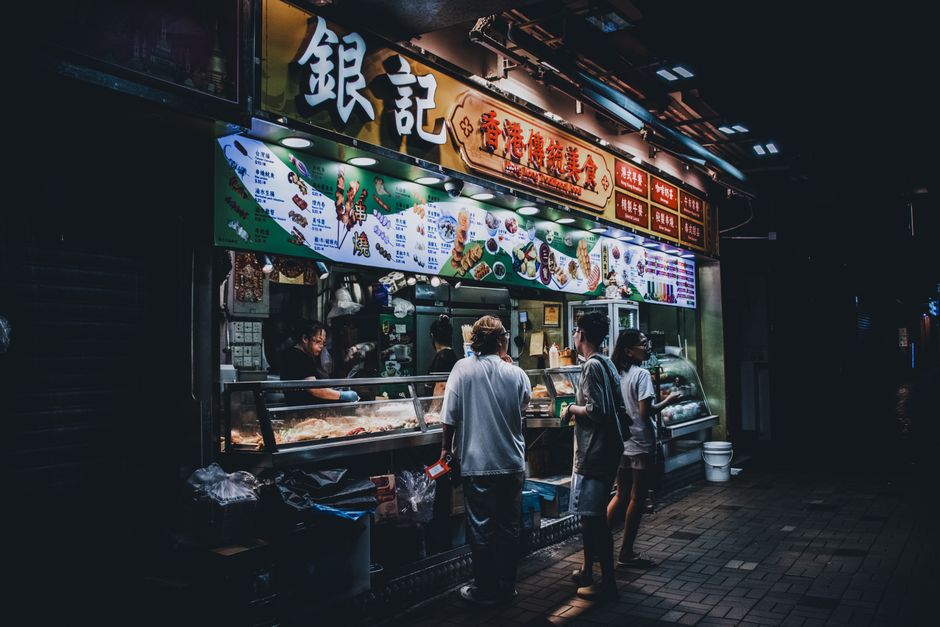
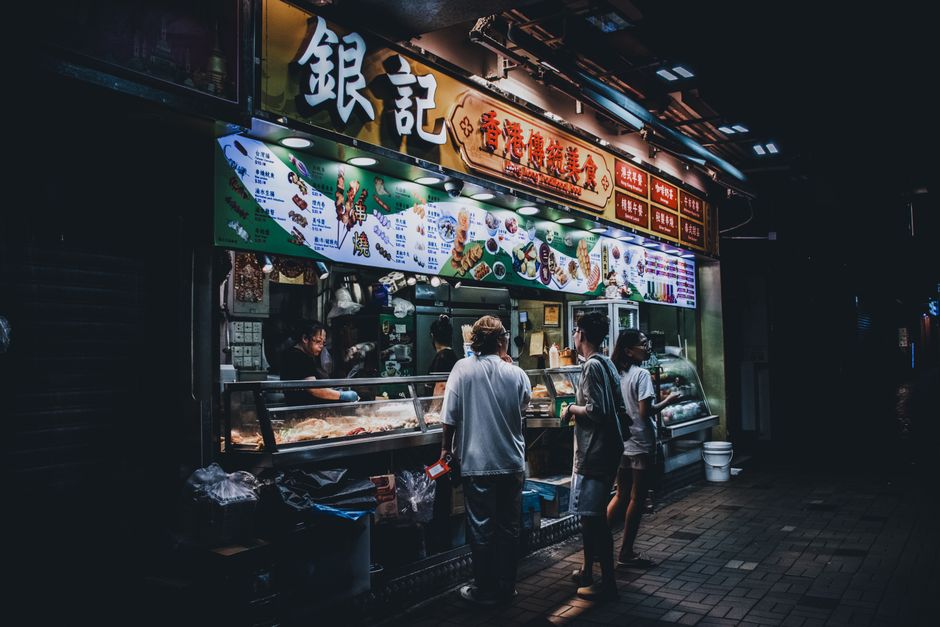
Sham Shui Po, once known primarily for its street markets and electronics shops, is fast becoming a hotspot for innovative dim sum dining experiences. Over the past year, the neighbourhood has seen an influx of both revamped traditional teahouses and fresh culinary ventures, reflecting a shift in how locals and tourists alike enjoy this iconic Cantonese meal.
The transformation of Sham Shui Po’s dim sum landscape matters now because it shows how established food cultures can evolve in response to changing consumer tastes and economic pressures. With Hong Kong’s dynamic culinary scene constantly under strain from rising rents and shifting demographics, the sustained popularity of dim sum—one of the city’s defining food traditions—is a bellwether for wider trends in local dining.
Two standout establishments illustrate this evolution. Tim Ho Wan, often dubbed the world’s most affordable Michelin-starred dim sum restaurant, opened a new branch on Fuk Wing Street in late 2025, bringing its celebrated baked buns and shrimp dumplings into the heart of Sham Shui Po’s working-class neighbourhood. Meanwhile, the century-old Lung Wah Tea House on Pei Ho Street has undergone a careful refurbishment to modernize its interiors without sacrificing the traditional rustic charm that draws regulars for noon-hour eats.
These two venues represent contrasting approaches: Tim Ho Wan injects youthful energy and affordability to attract younger diners, whereas Lung Wah Tea House leans on heritage and deep-rooted family recipes, catering to an older clientele who see dim sum as part of their daily fabric.
According to data from the Hong Kong Tourism Board, dim sum sales in Sham Shui Po rose by 12% in the first quarter of 2026 compared to the previous year, indicating growing local interest despite broader economic challenges. Average prices hover around HK$30–$50 per dish across most establishments here, a figure that balances accessibility with quality ingredients.
Yet the neighbourhood faces pressures: rental costs in Sham Shui Po have increased by nearly 8% since early 2025, threatening smaller, family-run dim sum vendors. In response, a community organisation, Sham Shui Po Food Heritage Society, has launched a “Support Local Diners” campaign, promoting traditional eateries through social media and guided food walks along Kweilin and Apliu Streets.
Looking ahead, Sham Shui Po’s dim sum scene will likely continue to juggle innovation and tradition. For diners, exploring this area offers not just a meal but a window into Hong Kong’s culinary resilience amid urban change. Food lovers aiming to experience Sham Shui Po’s evolving dim sum culture should visit between 10 a.m. and 1 p.m. on weekdays to avoid peak crowds, especially at Lung Wah Tea House, which is popular for its classic steamed pork ribs and silky cheung fun. With affordable prices and a mix of new and established venues, Sham Shui Po remains a vital destination for anyone seeking authentic yet contemporary Cantonese cuisine.

About this article
Published by The Daily Hong Kong
Spread the word
Daily brief
Free, in your inbox before 7am. Weekdays.
Before you go
The day's Hong Kong news in a 2-minute read. Free, weekday mornings.