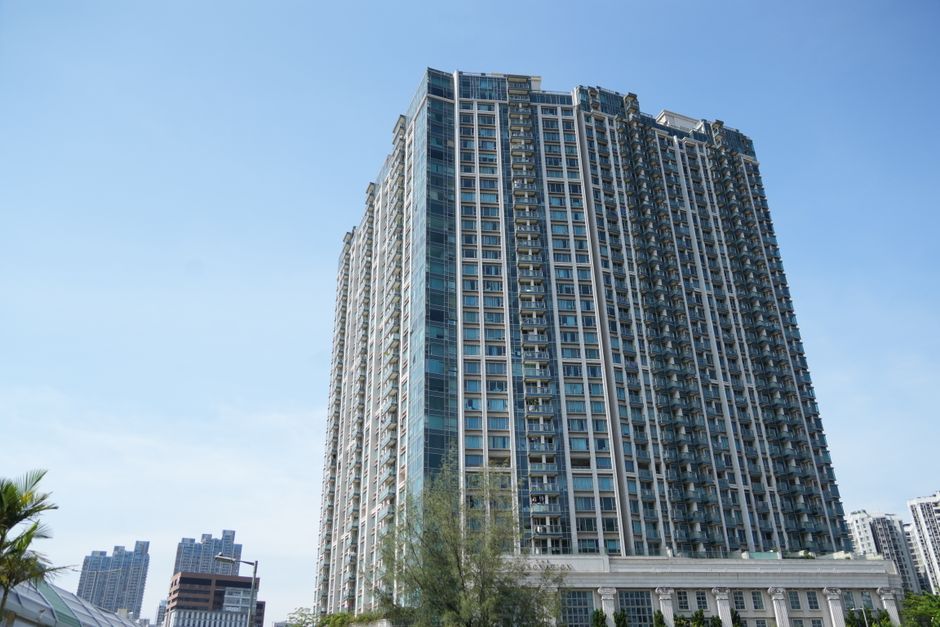
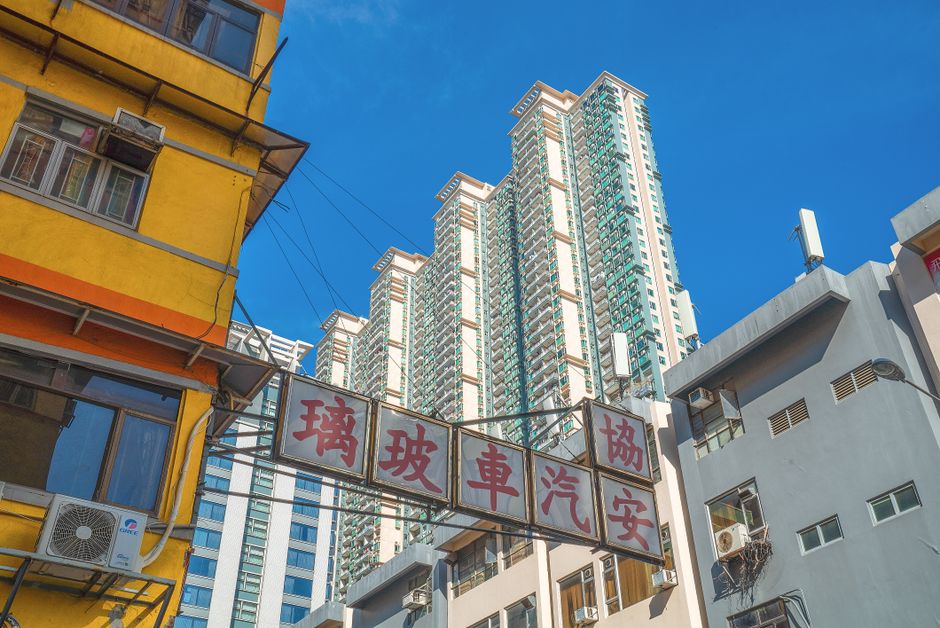
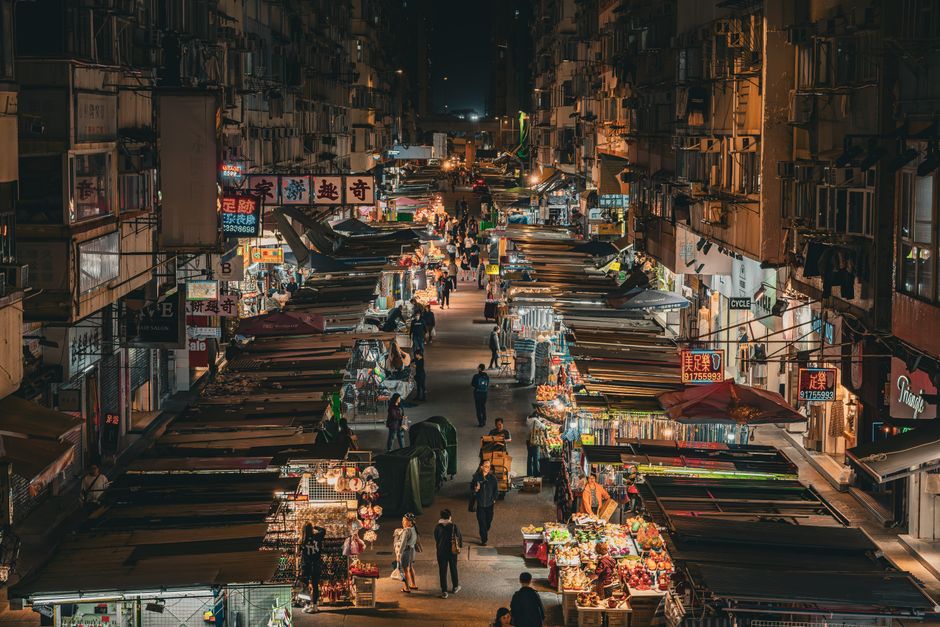
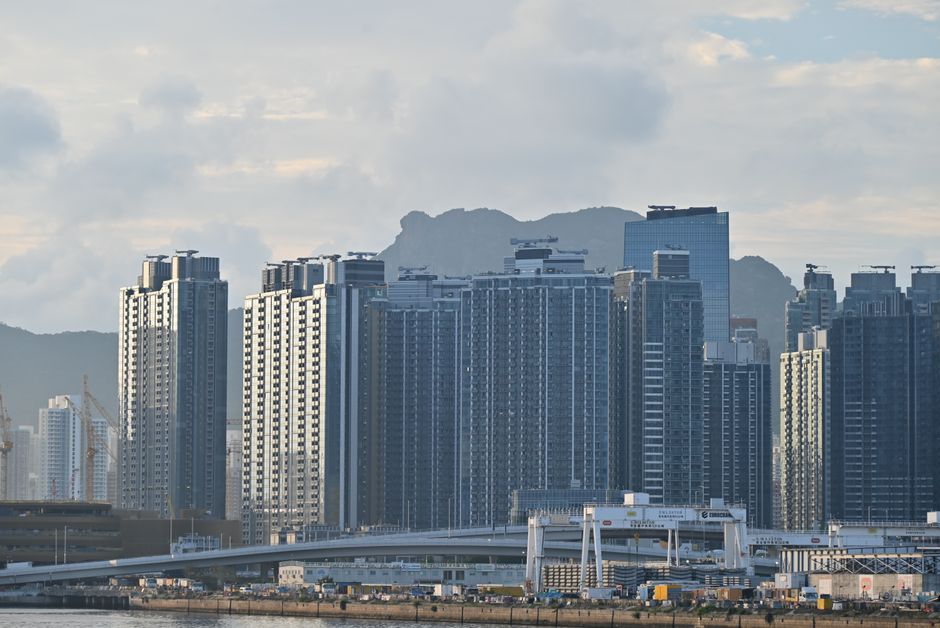
The Urban Planning Board's recent green light for a 4,000-unit mixed residential scheme in Tseung Kwan O marks a significant policy shift in how Hong Kong tackles its chronic housing shortage. The decision, announced last month, permits developers to blend public housing, subsidised flats, and private units on a single site—a departure from traditional segregated zoning that has long defined the territory's property landscape.
For context, the New Territories median flat price hovers around HKD 6.5 million, substantially below the citywide HKD 9 million median. Yet even these prices remain out of reach for many middle-income families. The Tseung Kwan O ruling potentially offers relief by allowing approximately 1,500 subsidised units within the broader development, targeting households earning 40–60 per cent of the median income.
What makes this planning decision particularly significant is its ripple effect across the secondary market. Property agents report increased inquiry from upgraders in nearby Lam Tin and Po Lam, where prices have climbed 8–12 per cent since the announcement. Buyers anticipate supply pressures easing within 18 months of groundbreaking, potentially stabilising values across the wider district.
The scheme also introduces density flexibilities previously restricted. Developers can now concentrate higher-rise residential blocks near the Tseung Kwan O MTR interchange, freeing lower-density land for community facilities and green space—addressing longstanding urban design criticisms. The Housing Authority will operate one-third of units directly, shifting the affordability balance without wholesale government investment.
Yet challenges persist. Critics argue the policy doesn't address micro-unit proliferation in the private component, where developers commonly deliver 200–250 square-foot studios at HKD 4.2–4.8 million. The subsidy generosity remains debated: qualifying income thresholds may exclude many struggling households while benefiting upper-middle earners.
The Planning Department's broader strategy hints at expanding this model to Hung Shui Ling and Kam Tin, potentially unlocking 8,000 additional units across the next planning cycle. If successful, the template could ease the acute scarcity that has plagued districts like Mong Kok and Sham Shui Po for decades.
Real estate analysts expect cautious optimism. The intermingling of tenure types may initially deter luxury purchasers concerned about mixed-income perception, but long-term value stability and transportation improvements typically compensate. Development timelines remain critical—delays of even two years could erode policy benefits as demand pressures resurface.
As Hong Kong continues balancing market forces with social obligation, this Tseung Kwan O ruling represents the most concrete evidence yet that planning policy alone, however progressive, requires sustained execution and genuine affordability commitments to meaningfully reshape the property landscape.
This article was compiled by AI from the sources linked above and screened before publishing. See our editorial standards.