This article was generated by AI from the linked public sources. The Daily Hong Kong is independently owned and covers Hong Kong news free from advertiser or sponsor influence. Read our editorial standards →
For years, Hong Kong's rental market has operated as a landlord's game. Tenants competed fiercely for limited stock, accepted steep price tags, and signed short leases with minimal bargaining power. But 2026 is painting a different picture. Across neighbourhoods from Mong Kok to Tuen Mun, vacancy rates are edging upward, and the dynamics that have defined Hong Kong's rental landscape are quietly shifting.
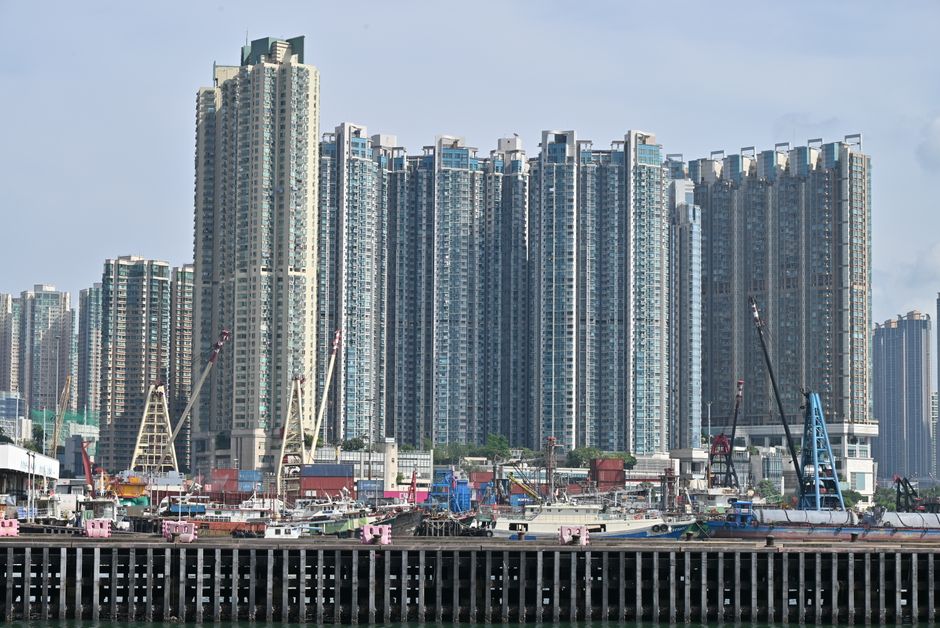
Data from major property agencies suggests vacancy rates in mid-tier residential areas have ticked up to 3-5 percent—modest by international standards, but significant for Hong Kong's historically tight market. In the New Territories, where affordability has long attracted families and young professionals, the movement is more pronounced. Tuen Mun and Sha Tin are seeing longer periods between tenancies, prompting landlords to adjust expectations.
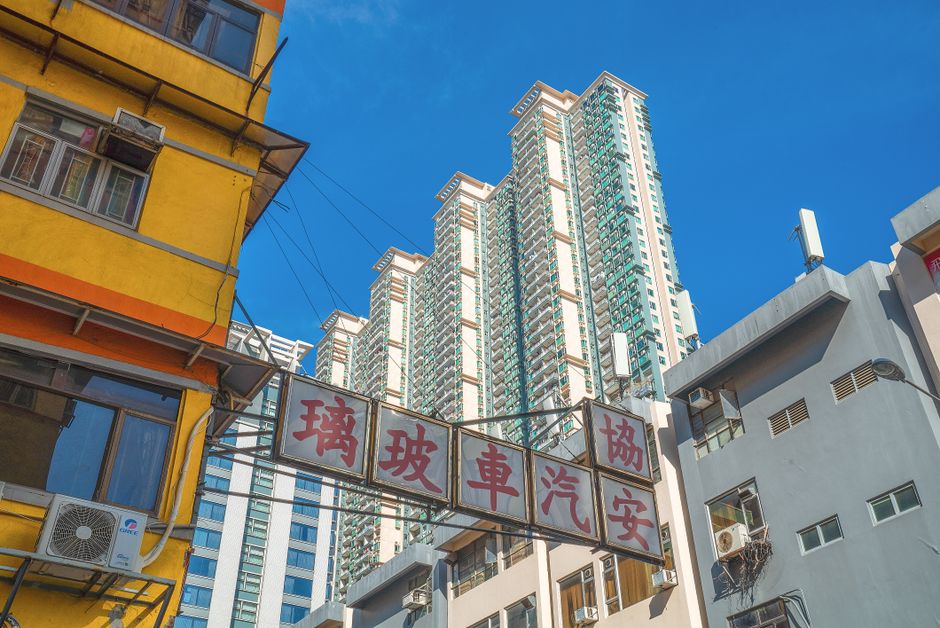
The implications ripple across both sides of the landlord-tenant divide. For renters, particularly those hunting in Kowloon's busier districts like Causeway Bay and Admiralty, the shift has introduced negotiating room that barely existed three years ago. Slightly improved lease terms, willingness to discuss rent reductions, and landlords offering to cover stamp duty are no longer pipe dreams—they're becoming bargaining chips. A two-bedroom in Mid-Levels that might have commanded HKD 65,000 monthly two years ago now sometimes sits empty or accepts HKD 58,000, reflecting both the softening appetite for premium addresses and the broader economic caution gripping the city.
Landlords, meanwhile, face a harder calculus. The traditional strategy of holding out for premium tenants or maximum rents is yielding to pragmatism. Extended vacancy periods erode returns faster than slightly lower rents, and maintenance costs continue regardless of occupancy. Smaller landlords—those holding one or two investment properties rather than portfolios—are feeling the pinch more acutely, particularly in less-coveted areas beyond the Mid-Levels and Peak prestige belt.
Institutional players and corporate landlords are adapting faster, leveraging scale to absorb short-term softness. But individual owners, especially those in Kowloon's residential enclaves or suburban New Territories pockets, are increasingly considering longer lease incentives or furnished arrangements to attract stability over chasing peak prices.
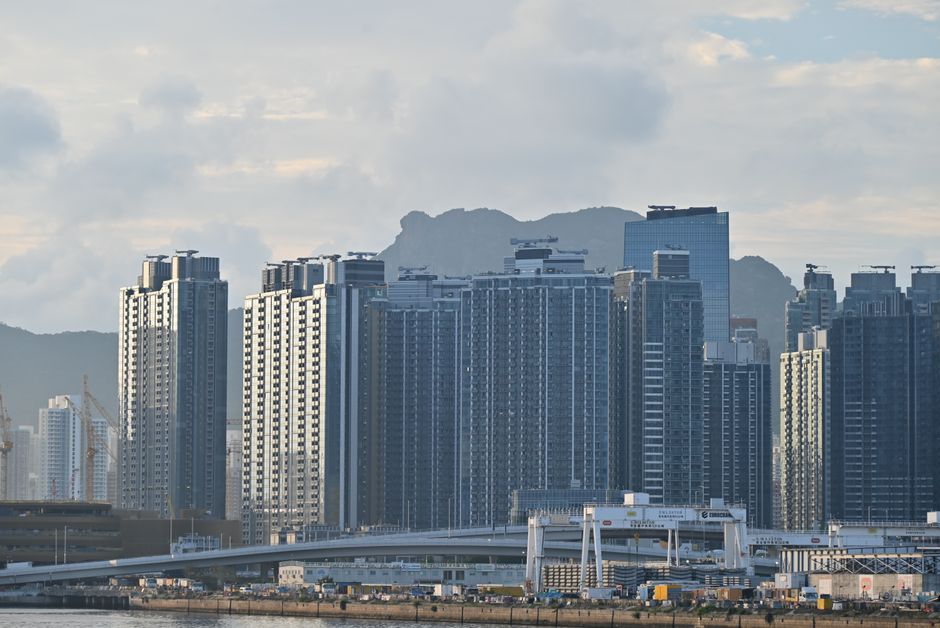
The broader question hangs unresolved: is this a cyclical correction or the opening of a structural shift? Hong Kong's chronic supply constraints remain real, and migration patterns suggest sustained interest in residential space. Yet the tenant relief being felt in 2026 offers a rare window—one where those hunting for flats around Hung Hom or exploring New Territories options might finally find conditions working slightly in their favour.
This article was compiled by AI from the sources linked above and screened before publishing. See our editorial standards.
Covering property in Hong Kong. This article was generated by AI from the linked sources and was not reviewed by a human editor before publishing. See our editorial standards.