Tseung Kwan O's transformation from dormitory suburb to investment magnet is picking up pace. With multiple major residential approvals cleared in the past 18 months and critical transport infrastructure coming online, the eastern New Territories district is attracting both owner-occupiers and investors tired of Peak and Mid-Levels premiums.
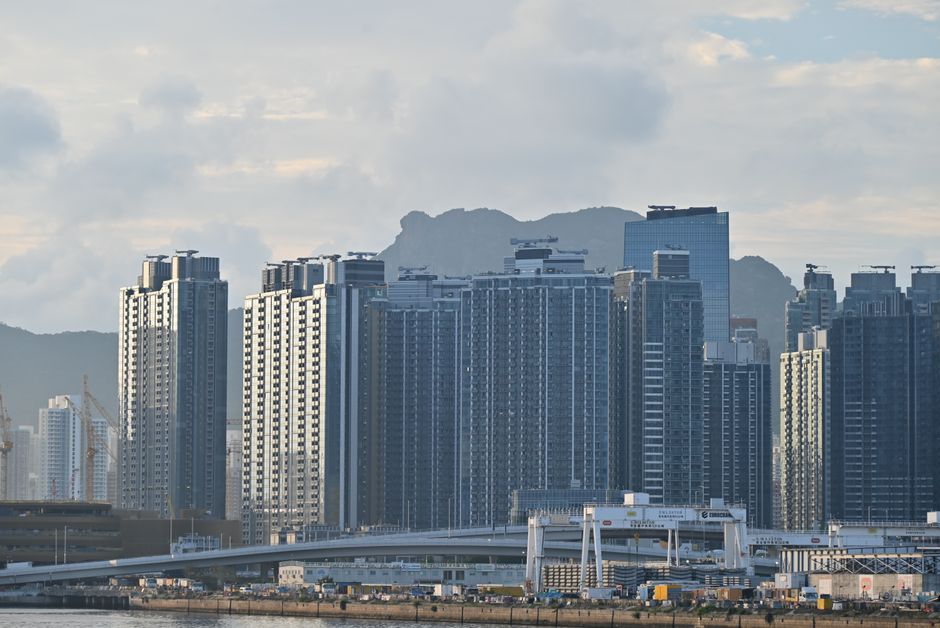
The catalyst is simple: connectivity. The planned Tseung Kwan O line extension, now confirmed for completion by 2032, will slice travel time to Central by nearly half. Equally significant, the Energizing Kowloon East initiative has already transformed the Lohas Park area into a mixed-use destination with offices, retail and residential towers commanding median prices around HKD 7.2 million per unit—a 15 percent discount to Kowloon's equivalent-sized stock.
Recent Planning Department approvals have unlocked three major sites along Po Lam Road North. The largest, a 2.8-hectare parcel near Tseung Kwan O MTR station, received conditional approval in March for a mixed-use development yielding approximately 1,200 residential units. Early projections suggest entry-level units starting at HKD 6.5 million, with premium offerings reaching HKD 12 million—competitive pricing that has already sparked pre-launch interest from international funds.
"The supply pipeline is genuinely exciting," says one major developer active in the district, with over 3,000 units currently under construction or approved within a 2-kilometre radius of the MTR station. Unlike Victoria Dorm or the congested Peak corridor, Tseung Kwan O still offers genuine land reserves—a rarity in 2026 Hong Kong.
Local amenities are maturing rapidly. Lohas Park already hosts the new Hong Kong Velodrome and multiple sports facilities, while the Port Shelter waterfront is being activated with dining and recreational venues. Schools including Renaissance College and Discovery College draw regional families, underpinning demand stability.
Stamp duty relief for foreign buyers, now extended through 2027, has particularly benefited developments targeting international investors. Tseung Kwan O's relative affordability—median flat prices trailing Kowloon by roughly 10 percent—makes it an attractive entry point for first-time overseas purchasers seeking Hong Kong exposure without Peak-level capital commitments.
The risks remain. Tseung Kwan O's growth depends entirely on delivery of promised MTR extensions and port-side development. Supply timing uncertainty could compress returns if multiple projects complete simultaneously. Yet for investors with a five-to-ten-year horizon, the fundamentals—infrastructure, fresh supply, affordability—align more clearly than in established districts already trading at saturation multiples.
This article was compiled by AI from the sources linked above and screened before publishing. See our editorial standards.