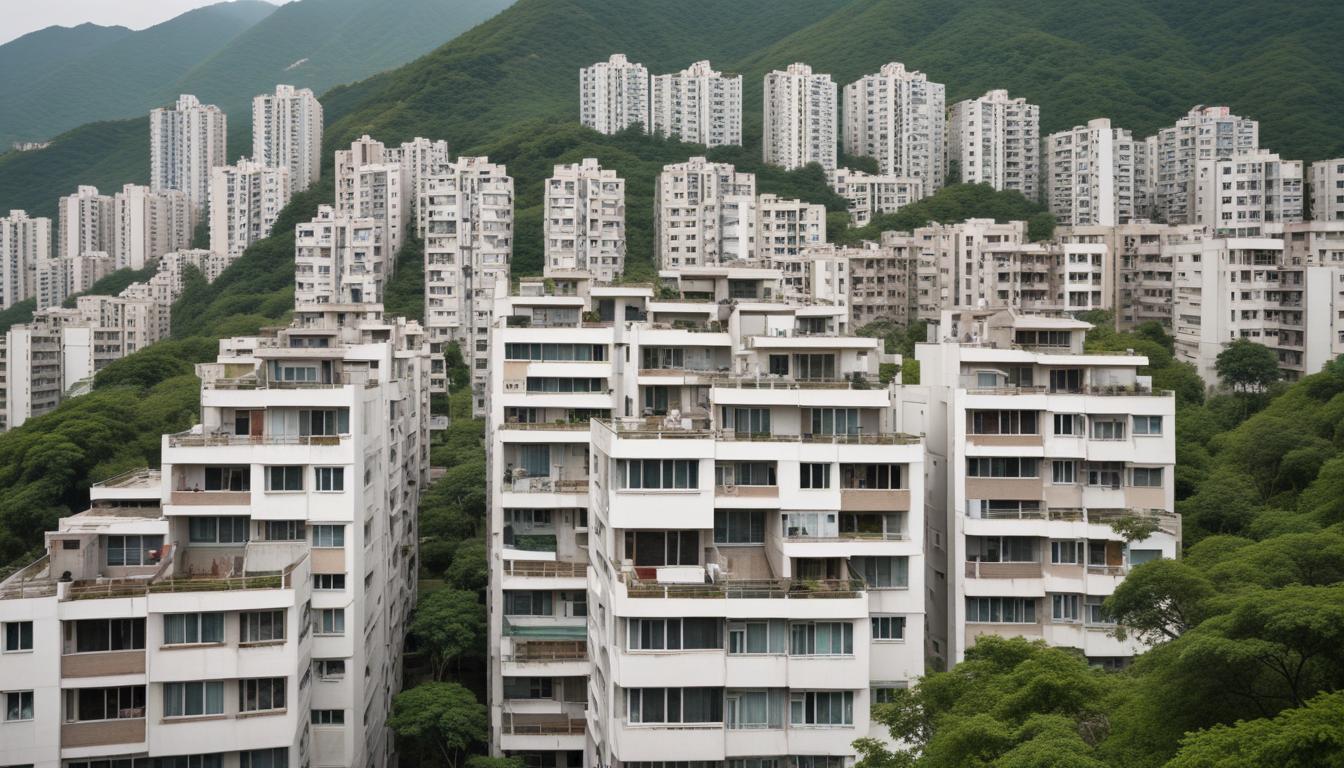
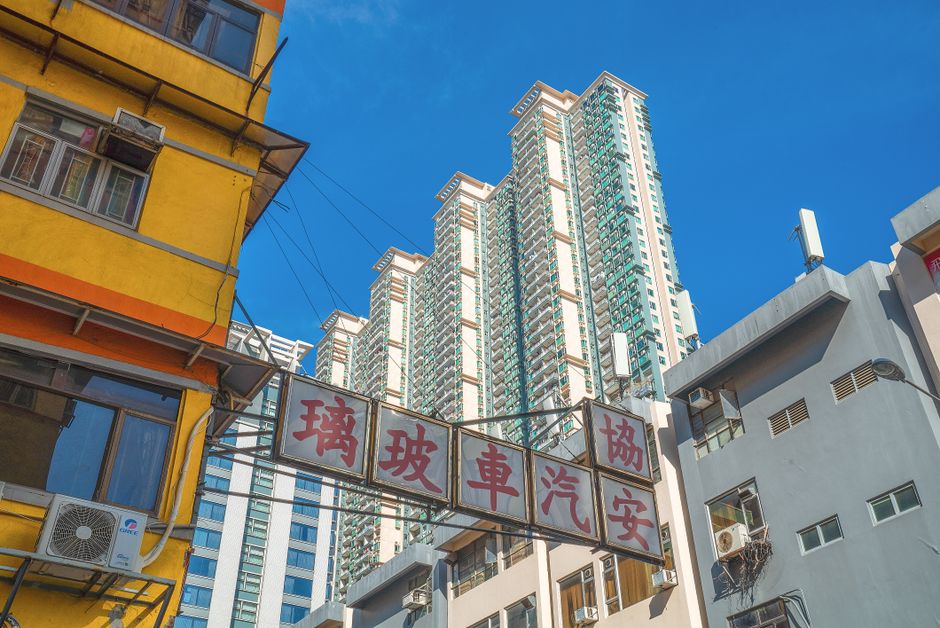
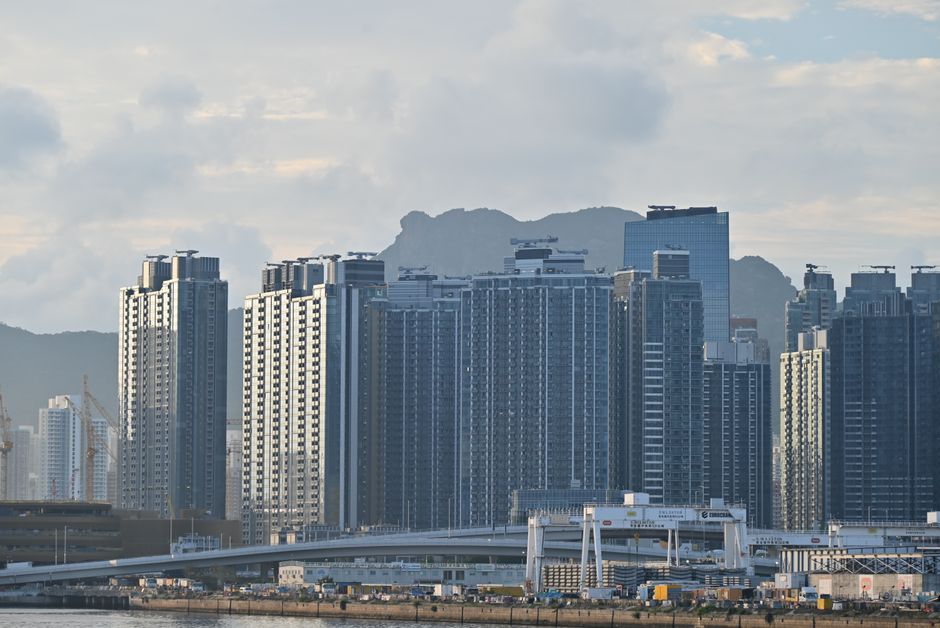
Hong Kong's property market remains notoriously challenging for newcomers, but 2026 presents a window of opportunity for first-time buyers willing to think strategically. With median prices stabilising around HK$8–10 million across the territory, understanding where to look—and what to expect—is the difference between securing a wise investment and overstretching financially.
The first rule: abandon the dream of Mid-Levels or Peak immediately. Unless your deposit exceeds HK$3 million, focus your energy on emerging neighbourhoods offering better value. Sheung Wan remains pricey, but venture eastward to Sai Ying Pun or west towards Kennedy Town, where recent developments have stabilised prices at HK$12,000–15,000 per square foot. Alternatively, the New Territories—particularly Sha Tin and Tuen Mun—offer units 20–30 per cent cheaper than Kowloon counterparts, with modern MTR connectivity making commutes manageable.
Location strategy matters more than ever. Properties within 500 metres of MTR stations command premiums, but stepping two streets back can yield 10–15 per cent savings. Walk Tai Koo's side streets or explore Fortress Hill's quieter blocks: you'll find HK$7–8 million units in 2026 that sit one decade back from the waterfront premium.
Second, leverage the eased stamp duty regime for foreign and first-time buyers introduced in recent years. The Lands Department's online portal now processes applications within 8–10 weeks, reducing holding costs. Factor this into your timeline—rushing costs money.
Third, engage organisations like the Real Estate Developers Association and Consumer Council for guidance on legal pitfalls. Common mistakes—failing to budget for inland revenue taxes, underestimating maintenance fees, or overlooking lease length on older buildings—devastate first-timers. A HK$8 million flat in Mongkok might carry monthly management fees of HK$8,000–12,000; clarify this upfront through the management office's records at your estate's headquarters.
Timing remains unpredictable, but data suggests summer months—July through August—attract fewer bidders in Hong Kong's residential market. Use this window to negotiate. Properties listed June–July often see 5–8 per cent price adjustments by August.
Finally, consider off-plan purchases in emerging zones like Hung Shui Kiu or Tseung Kwan O Phase 4. Developers increasingly offer favourable financing schemes—some covering 80–90 per cent loan-to-value—reducing immediate capital demands.
Hong Kong's property market rewards patience and information. First-time buyers who research systematically, stay disciplined on location, and avoid emotional decisions will find entry points even in today's competitive landscape.
This article was compiled by AI from the sources linked above and screened before publishing. See our editorial standards.