How New MTR Extensions and Commercial Hubs Are Reshaping Investor Returns Across Hong Kong's Emerging Districts
Property yields are shifting dramatically as infrastructure projects transform peripheral neighbourhoods—here's where savvy landlords should be watching.
This article was generated by AI from the linked public sources. The Daily Hong Kong is independently owned and covers Hong Kong news free from advertiser or sponsor influence. Read our editorial standards →
Hong Kong's property investment landscape is undergoing a quiet but significant realignment. While the Peak and Mid-Levels continue to command premium rents, informed investors are increasingly turning their attention to areas benefiting from major infrastructure upgrades and mixed-use developments that promise stronger rental yields without the stratospheric entry prices.
Take the New Territories corridor around Tuen Mun and Yuen Long. The recent expansion plans for commercial and residential clusters, coupled with improved MTR connectivity initiatives, have begun attracting younger tenants and small business operators seeking alternatives to Kowloon's congested business districts. Current yields in these areas hover between 3–3.5%, compared to 2–2.5% in traditional hotspots like Causeway Bay or Central. For a HKD 4–5 million investment property in Yuen Long, this represents a tangible return advantage.
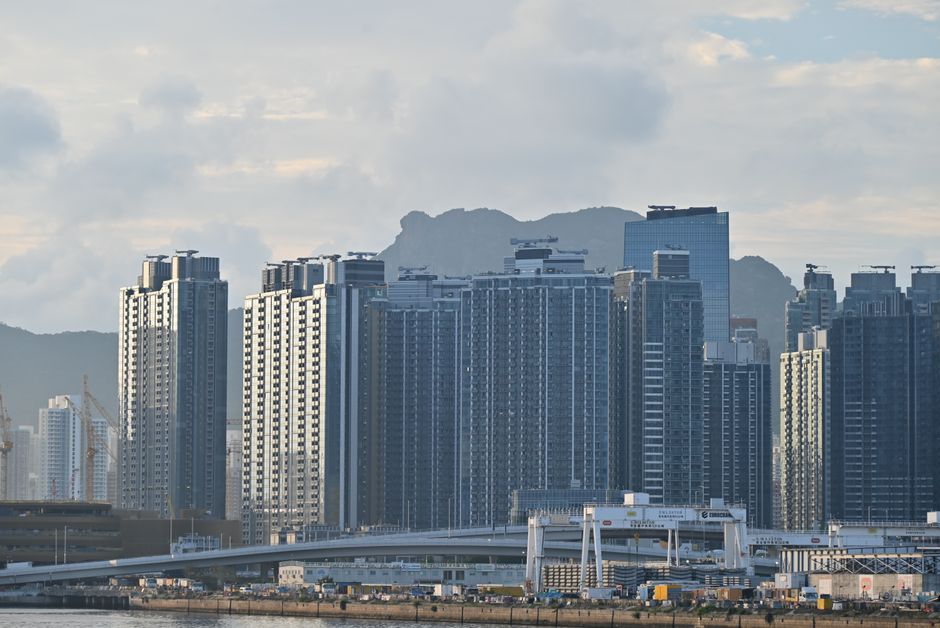
Similarly, the Kai Tak Development—spanning from Kowloon Bay eastward—continues to reshape investor expectations. The district's transformation into a mixed-use precinct with retail, office, and residential components is drawing tech startups, creative industries, and medium-income families. Properties in the immediate vicinity have seen rental demand climb steadily, with studios and one-bedroom units commanding HKD 15,000–18,000 monthly, versus HKD 12,000–14,000 five years ago.
Experienced landlords are also monitoring the emerging Sha Tin waterfront regeneration and the West Kowloon Cultural District's ongoing maturation. These venues and neighbourhoods don't just attract residents—they create service-sector jobs and boost foot traffic, which translates to stable tenant demand and lower vacancy rates.
The critical lesson for investors is timing and location specificity. Rather than chasing yields in saturated central districts, identifying properties in areas scheduled for infrastructure completion within 18–36 months allows investors to capitalize on the upside cycle. The Hong Kong Real Estate Association and Land Registry data both suggest that areas within 800 metres of new MTR stations or major commercial facilities typically see rental growth of 4–6% annually during the two-year window following project completion.
Landlords should also consider management structures carefully. New developments often come with professional building management and shared facilities—gym, co-working spaces, retail—which reduce individual landlord burdens and attract premium tenants willing to pay 8–12% higher rents for convenience and community amenities.
The broader message is clear: Hong Kong's property investment returns are no longer monolithic. Geography and timing matter enormously. Those willing to look beyond traditional investment corridors and align their purchase timing with infrastructure milestones are positioning themselves for stronger, more sustainable yields in 2026 and beyond.
This article was compiled by AI from the sources linked above and screened before publishing. See our editorial standards.
Covering property in Hong Kong. This article was generated by AI from the linked sources and was not reviewed by a human editor before publishing. See our editorial standards.