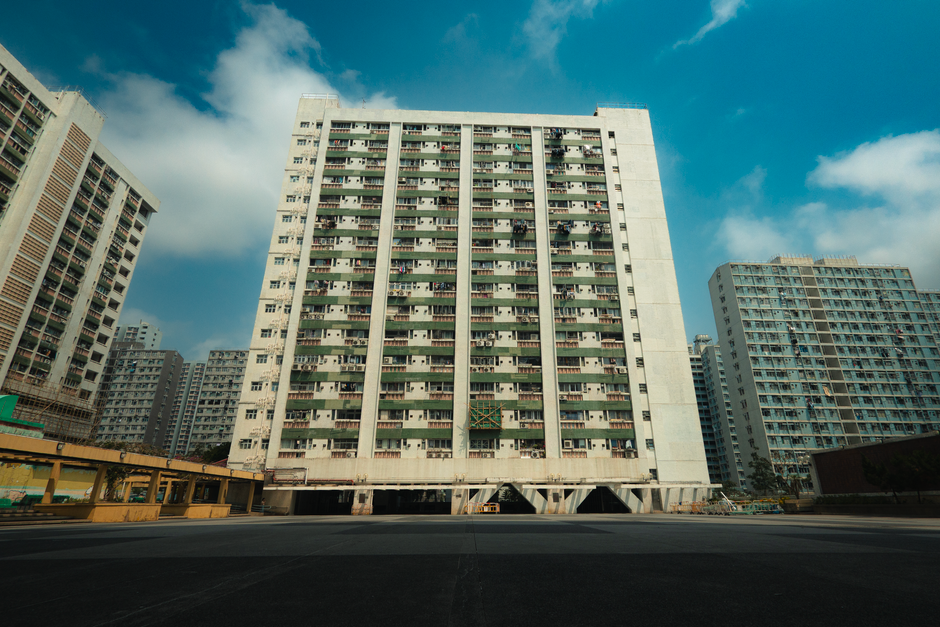
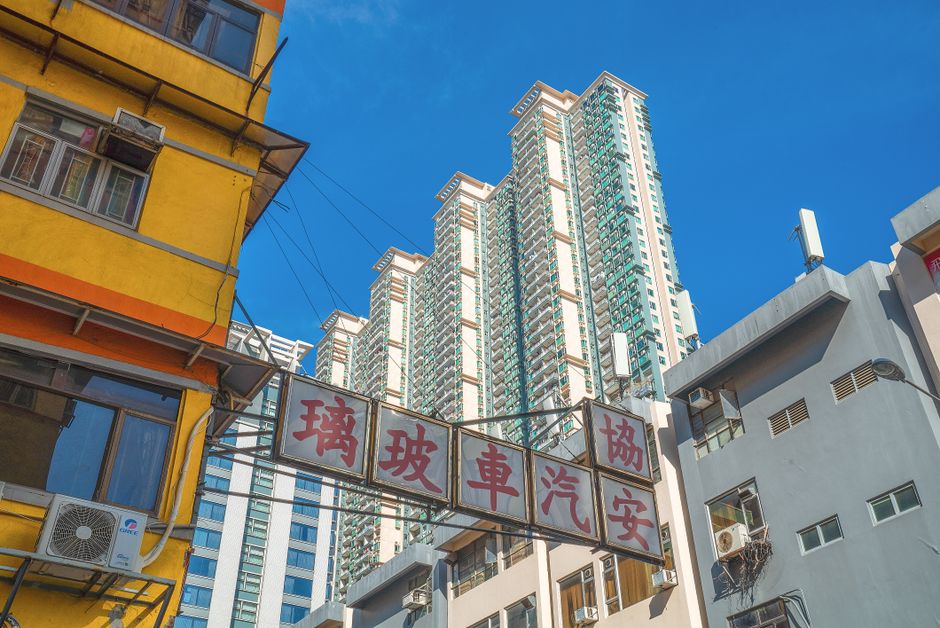
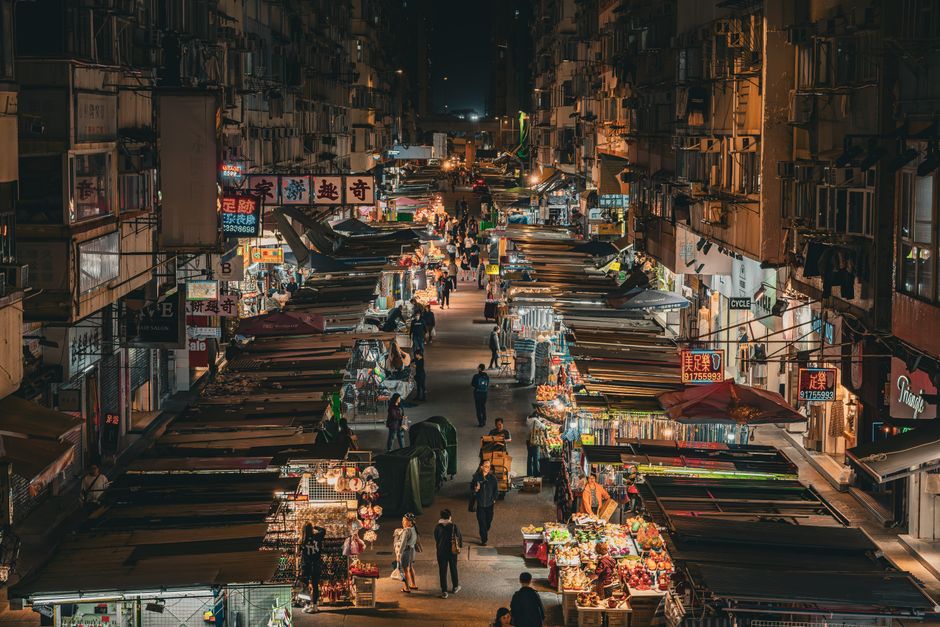
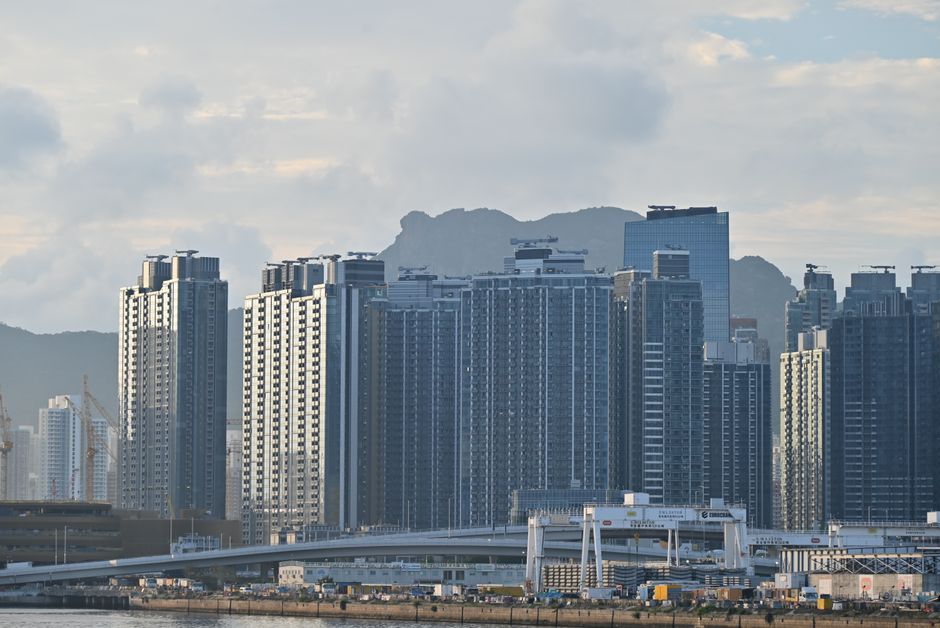
Hong Kong's affordable housing market is entering uncharted territory. With median flat prices hovering between HKD 8–10 million territory-wide, and public housing applicants now facing wait times exceeding five years, understanding the forces reshaping this sector has never been more critical for prospective buyers.
The Housing Authority's latest figures reveal nearly 140,000 families on the waiting list, yet annual supply remains constrained. Developments in Tin Shui Wai and Tung Chung—traditionally the New Territories' more accessible pockets—are selling out faster than new phases launch. A two-bedroom unit in Tin Shui Wai's recent release averaged HKD 3.2 million, while comparable Tung Chung stock commanded HKD 3.8 million. These aren't bargains; they're benchmarks of how even "affordable" segments have shifted upmarket.
Several factors are compressing supply and lifting prices simultaneously. Land-reclamation projects like those near the Northern Metropolis remain years away from completion. Simultaneously, construction costs—driven by labour scarcity and raw material inflation—have added roughly 12–15 percent to development expenses over the past 18 months. These burdens inevitably pass to buyers.
Policy has also moved the needle. The government's recent relaxation of foreign buyer stamp duties for properties under HKD 3 million has inadvertently intensified competition in the "affordable" bracket. International investors viewing Hong Kong's market through a risk-off lens are now targeting sub-HKD 3 million units as entry points, crowding local first-time buyers out of neighbourhoods like Kwai Chung and Tsuen Wan.
For buyers navigating this landscape, timing and location remain paramount. Mid-Kowloon neighbourhoods—particularly around Mong Kok and Prince Edward—still offer relative value, though gentrification pressures loom. New Territories corridors along the MTR (Yuen Long, Fanling) present longer-term upside but require commute tolerance. The emerging question isn't whether prices will fall, but whether public housing reform can accelerate delivery. The Housing Authority's pledge to increase annual public housing output to 33,000 units by 2033–34 represents ambition, yet demographic realities—ageing population, smaller household sizes—mean demand elasticity remains uncertain.
Buyers should also monitor the government's Urban Renewal Authority projects. Regeneration in Mong Kok and Sham Shui Po promises mixed-income housing but timelines stretch to 2030 and beyond. For those unable to wait, private affordable schemes—often marketed as "starter homes"—increasingly require dual incomes exceeding HKD 80,000 monthly. The threshold for entry has become as important as the threshold to the flat itself.
This article was compiled by AI from the sources linked above and screened before publishing. See our editorial standards.