This article was generated by AI from the linked public sources. The Daily Hong Kong is independently owned and covers Hong Kong news free from advertiser or sponsor influence. Read our editorial standards →
For decades, Hong Kong's luxury property narrative has been singular: climb higher on Victoria Peak, or settle for views of Mid-Levels. But a wave of high-end new developments is fundamentally reshaping where the city's affluent choose to anchor their wealth—and it's forcing a long-overdue reckoning with what "prestige" actually means in 2026.
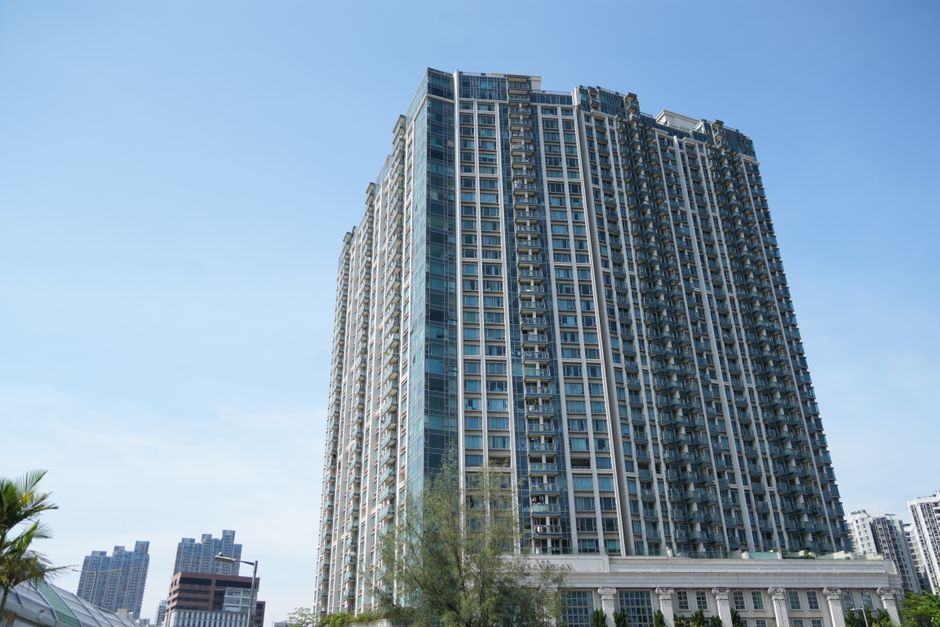
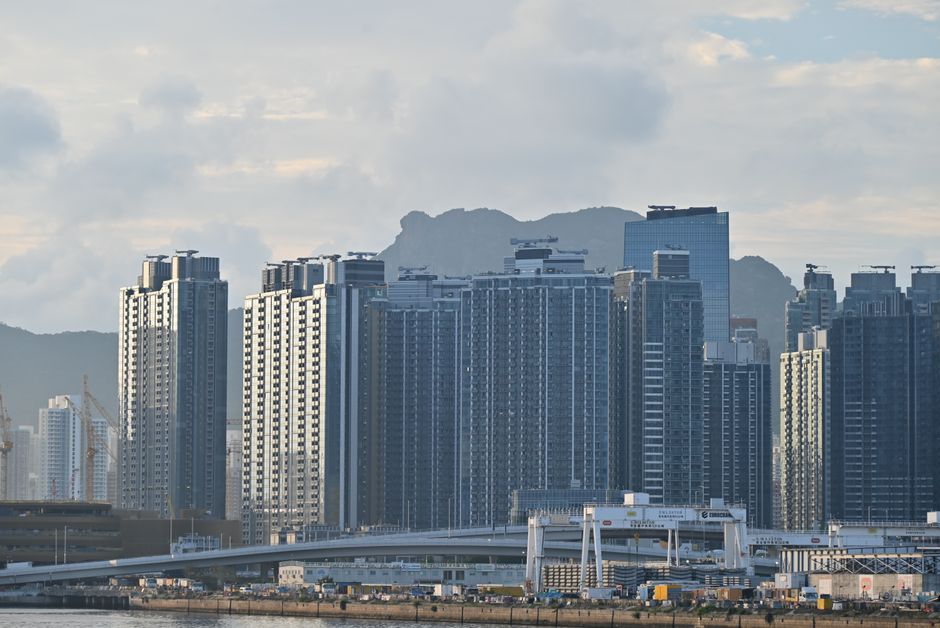
The story is most visible in Kowloon East, where major mixed-use projects are redefining an entire district. While the Peak remains Hong Kong's apex postcode, commanding median prices above HKD 15 million for apartments, developers are betting that the next generation of luxury buyers craves connectivity and urban vibrancy alongside prestige. New flagship residential towers in areas like Lohas Park and Taikoo Place are attracting institutional investors and owner-occupiers who value proximity to Central via the MTR over the cachet of a Peak address alone. These developments typically range from HKD 12–20 million for premium units, undercutting traditional luxury zones while offering contemporary amenities: private spas, wine cellars, and rooftop gardens designed for entertaining.
Meanwhile, the New Territories are experiencing their own upgrade. Developments around Tai Po and the Fanling corridor have shifted from bedroom-community perception to genuine luxury destinations. Gated communities with championship golf courses and equestrian facilities now offer a lifestyle argument that urban apartments cannot: space, privacy, and a retreat quality that appeals to Hong Kong's wealthiest families. Median prices remain significantly lower than Peak equivalents—typically HKD 9–12 million—but the narrative is changing from "compromise" to "choice."
The ripple effects are already visible. Stamp duty relief for foreign buyers, implemented across the board rather than favouring traditional zones, has accelerated this geographic redistribution. Luxury agents report increased enquiries from mainland investors and international buyers who are less wedded to Peak mythology and more interested in long-term capital appreciation in emerging precincts.
What does this mean for the areas themselves? Kowloon East has seen restaurant and hospitality investment surge, with Michelin-starred venues now opening flagship locations to serve this new affluent population. Transport infrastructure improvements, particularly around MTR connections and the proposed rail link upgrades, are being priced into valuations before completion.
The shift reflects a maturation of Hong Kong's property market. Prestige, it turns out, is no longer a fixed coordinate on a map. It's a portfolio decision, and the city's newest developments are offering compelling alternatives to the old formula of Peak address equals peak price.
This article was compiled by AI from the sources linked above and screened before publishing. See our editorial standards.
Covering property in Hong Kong. This article was generated by AI from the linked sources and was not reviewed by a human editor before publishing. See our editorial standards.