For decades, Tuen Mun has carried the stigma of being Hong Kong's forgotten corner—a sprawling dormitory town where young families settled reluctantly, priced out of Kowloon and unable to afford the Peak. But the calculus is shifting. A convergence of infrastructure investment, commercial development, and buyer migration patterns suggests the district is poised for genuine economic rejuvenation, not mere cyclical hype.
The catalyst is transportation. The Tuen Mun-Chek Lap Kok Link, completed in 2024, has compressed commute times to Central from 45 minutes to under 25. The concurrent expansion of the Light Rail Transit network into Tuen Mun Town Centre and beyond has unlocked accessibility previously reserved for MTR-adjacent neighbourhoods. Property agents report a 23 per cent year-on-year inquiry surge from professionals aged 30-45 seeking value in newly connected zones.
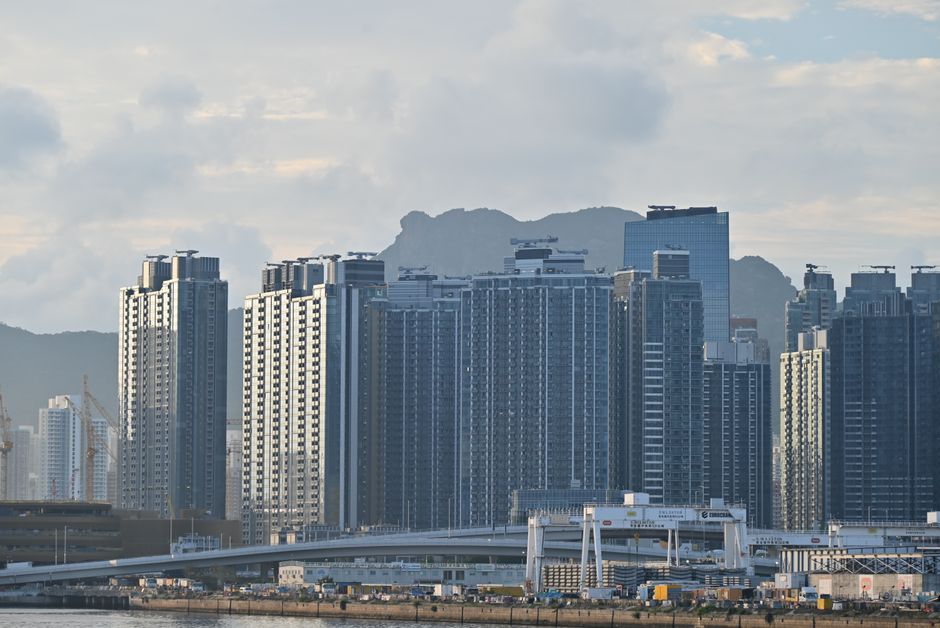
Prices reflect this repositioning. A 650 square-foot apartment in Tuen Mun Town Centre trades at approximately HKD 5.2–5.8 million—roughly 40 per cent below comparable Kowloon stock. The New Territories median sits around HKD 8–10 million district-wide, but Tuen Mun's weighted average remains anchored by older estates, creating a supply-demand mismatch as newer mid-rise residential blocks fill waterfront sites along Tuen Mun Road and Castle Peak Road.
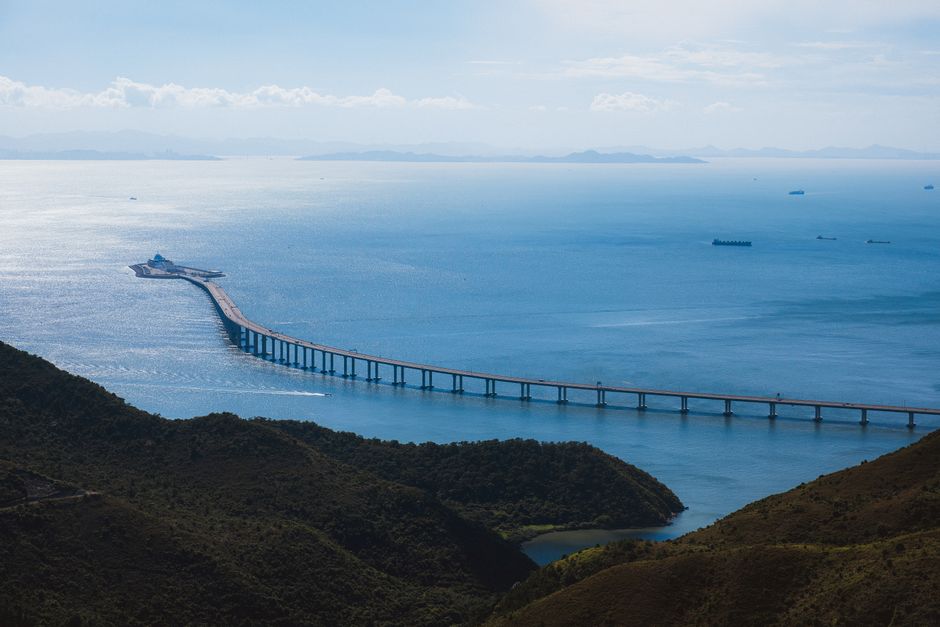
Commercial momentum matters equally. The Tuen Mun Business Park, anchored along the Sha Green waterfront, has attracted regional logistics and fintech operations seeking lower rents than Sheung Wan or Kwun Tong. The Hong Kong-Zhuhai-Macau Bridge's proximity—just 15 minutes east—has magnetised companies serving the Greater Bay Area. This diversification beyond retail and education supports resident purchasing power and rental yield potential that pure dormitory suburbs cannot claim.
The Tuen Mun Waterfront Promenade, now fully landscaped with cycling tracks and restaurant clusters, has become a genuine lifestyle draw rather than an afterthought—comparable, perhaps, to the gentrification patterns that lifted Sheung Shui and Fanling a decade ago.
Investor caution remains warranted. Affordability, by definition, attracts first-time buyers rather than trophy-asset speculators. Stamp duty relief for foreign purchasers has not yet significantly lifted non-local demand in outlying New Territories zones. And Tuen Mun's reputation, earned through real decades of underinvestment, shifts slowly in the institutional memory of Hong Kong's property psyche.
Yet for buyers seeking capital appreciation paired with liveable infrastructure—and sellers positioning for turnover before the next market correction—Tuen Mun's growth corridor moment is now. The question is no longer whether it will transform, but whether you can still enter before the market fully prices in the change.
This article was compiled by AI from the sources linked above and screened before publishing. See our editorial standards.