Hong Kong's rental market is experiencing an unusual tremor. After years of chronic undersupply and landlord-friendly conditions, recent planning decisions are quietly reshaping vacancy patterns across the city—creating pockets of opportunity for tenants willing to adapt.
The trigger: the government's revised New Territories development blueprint, accelerated land releases in Yuen Long and Tuen Mun, and fast-tracked conversions of mixed-use buildings in Kowloon East. Combined, these have nudged overall rental vacancy rates to approximately 3.2 per cent—still tight by global standards, but meaningfully higher than the 1.8 per cent recorded just eighteen months ago.
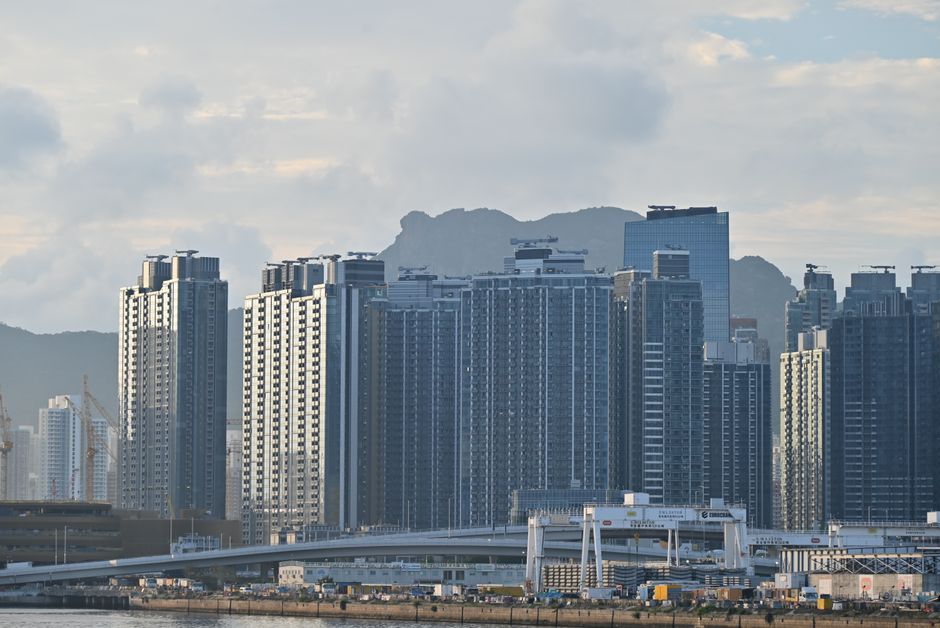
The impact is strikingly localised. Traditional hotspots like Causeway Bay and Mong Kok remain fiercely competitive, with studio rents holding steady around HKD 18,000–22,000 monthly. But emerging areas tell a different story. Developments around Kowloon East—near the MTR extensions and new office clusters—now attract younger professionals seeking better value. Units in Lohas Park and nearby precincts have seen rental growth flatten, with landlords increasingly offering flexible lease terms and rent reductions to fill vacancies.
Meanwhile, the New Territories strategy is reshaping migration patterns. The newly zoned residential corridors in Yuen Long and the expanded New Development Areas are drawing families priced out of urban zones. Median rents in these regions remain substantially lower—HKD 12,000–16,000 for comparable two-bedroom units—though commute times and lifestyle trade-offs remain steep.
What tenants must understand: policy-driven market shifts create temporary windows. The government's push to ease foreign buyer stamp duties, combined with rental supply momentum, means landlords are increasingly competing for quality tenants rather than dictating terms. This favours those patient enough to explore neighbourhoods beyond Peak and Mid-Levels.
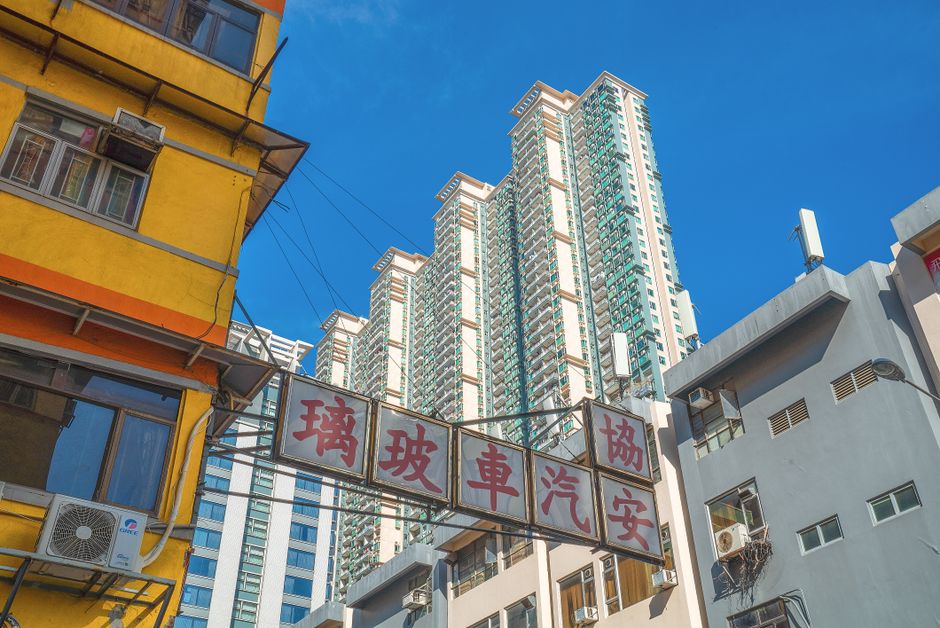
However, clarity matters. The Buildings Department's revised guidelines on subdivided units—tightening safety and consent requirements—have already reduced informal rental stock in older buildings across Sham Shui Po and Mong Kok. This paradoxically concentrates pressure on formal, regulated housing, offsetting some vacancy gains elsewhere.
Savvy renters should monitor planning applications through the Town Planning Board website and Real Estate Developers Association announcements. Neighbourhoods adjacent to newly approved MTR stations or mixed-use precincts—particularly around Central and Western District's waterfront projects—typically see rental softening twelve to eighteen months post-approval.
For now, the rental market remains a landlord's game. But the rules are changing faster than they have in a decade. Tenants who understand the planning machinery behind those changes will find themselves in an unexpectedly strong position.
This article was compiled by AI from the sources linked above and screened before publishing. See our editorial standards.