This article was generated by AI from the linked public sources. The Daily Hong Kong is independently owned and covers Hong Kong news free from advertiser or sponsor influence. Read our editorial standards →
Hong Kong's property investment landscape has always been shaped by scarcity, but 2026 is proving that strategic development can still move the needle on yields. As new residential projects emerge across the territory, savvy landlords are reassessing which neighbourhoods offer the best combination of rental demand and capital appreciation—and the answer is increasingly tied to what's being built nearby.
Take Kai Tak, where the former airport site continues its phased transformation. The Kai Tak Sports Park opened last year, and upcoming MTR connectivity improvements promise to unlock dormant yield potential in surrounding residential stock. Properties in the adjoining Diamond Hill and Wong Tai Sin precincts—traditionally mid-tier rental markets at 2.5–3.2% gross yields—are beginning to attract institutional interest. New mixed-use developments in the precinct are drawing younger professionals to the area, nudging rents upward in what was once dismissed as purely transitory housing.
Similarly, the expansion of Tseung Kwan O's residential offerings is rewriting yields across the New Territories. The MTR extension and new retail anchors have stabilised what were previously volatile rental markets. A two-bedroom apartment in Tseung Kwan O now commands HKD 18,000–22,000 monthly, up from HKD 15,000–18,000 three years ago. For investors holding stock at median New Territories prices around HKD 4–5 million, that translates into competitive 4.3–5.3% gross yields—increasingly attractive relative to traditional Kowloon mid-tier investments near Mong Kok or Causeway Bay.
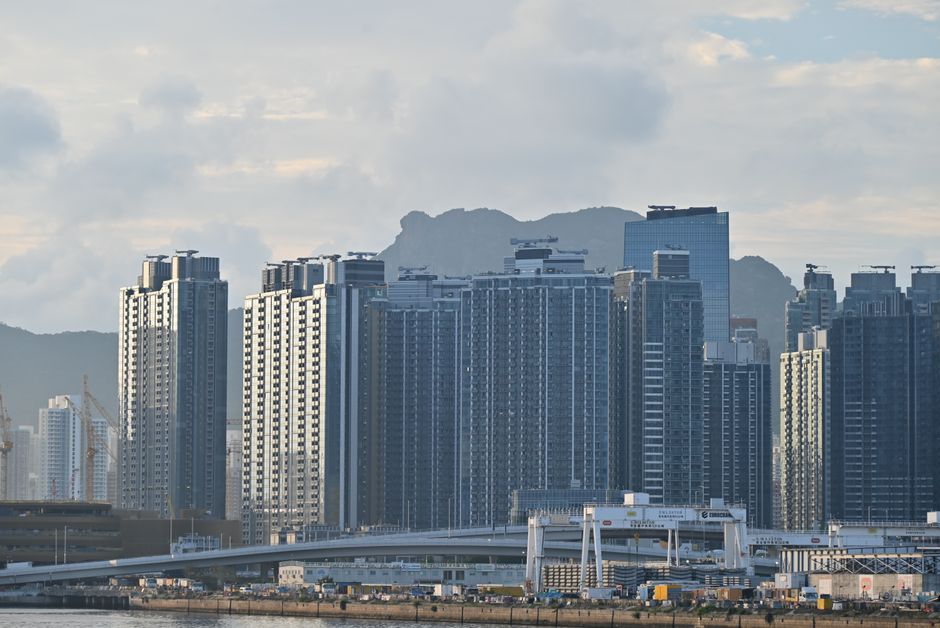
Yet proximity to development is a double-edged sword. Construction noise, temporary traffic disruption, and transient populations can suppress rents during active phases. Experienced landlords are learning to time exits strategically—selling before major works commence, then re-entering once neighbourhoods stabilise post-completion. The Hung Hom waterfront regeneration and ongoing Central-Wan Chai bypass work have tested this thesis repeatedly.
The stamp duty relief for foreign buyers, combined with rising interest in long-term Hong Kong residency, has also shifted tenant demographics near new projects. Family units and longer-lease tenants now cluster around amenity-rich developments, supporting rental stability that wasn't evident in earlier cycles.
For landlords, the lesson is clear: development isn't just about capital gains. Infrastructure maturation, demographic migration, and retail anchoring create sustained rental demand that can outpace traditional hotspots. Monitoring planning authority announcements and MTR expansion timelines remains essential—the next yield opportunity may be hiding in the New Territories, waiting for the next shovel to break ground.
This article was compiled by AI from the sources linked above and screened before publishing. See our editorial standards.
Covering property in Hong Kong. This article was generated by AI from the linked sources and was not reviewed by a human editor before publishing. See our editorial standards.